
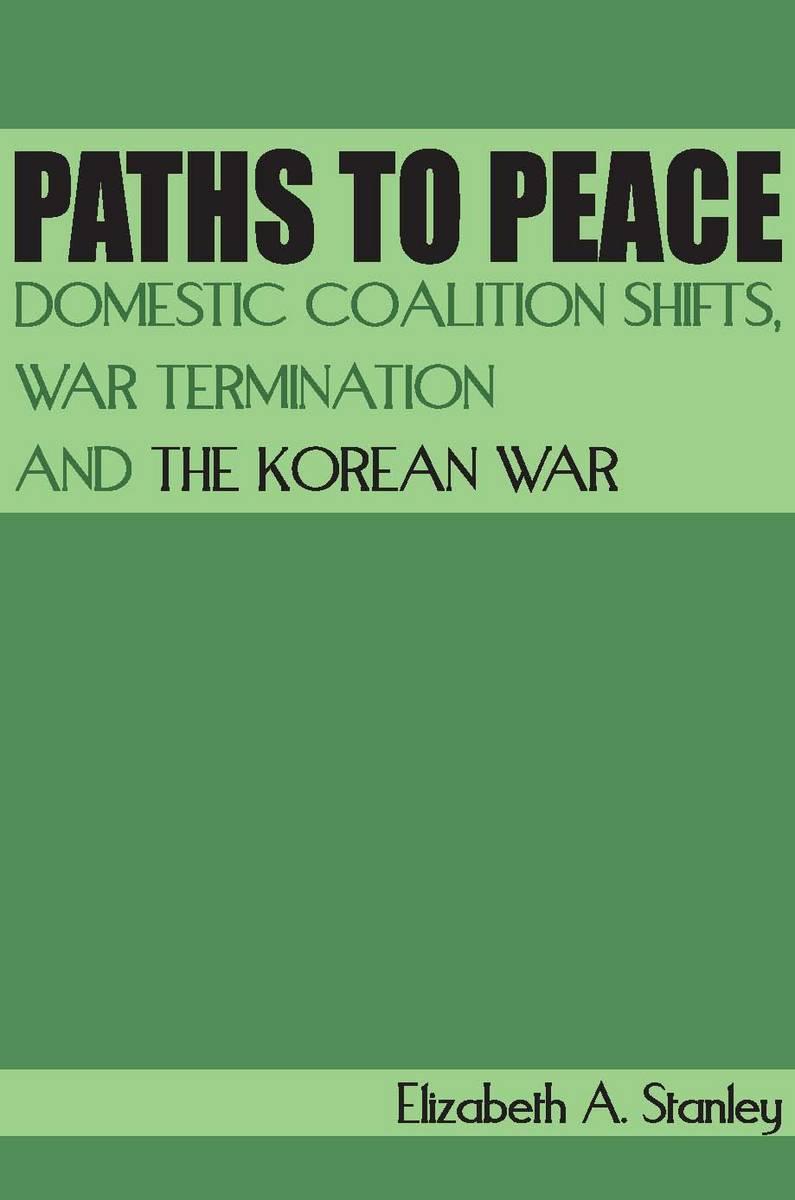
Paths to Peace begins by developing a theory about the domestic obstacles to making peace and the role played by shifts in states' governing coalitions in overcoming these obstacles. In particular, it explains how the longer the war, the harder it is to end, because domestic obstacles to peace become institutionalized over time. Next, it tests this theory with a mixed methods approach—through historical case studies and quantitative statistical analysis. Finally, it applies the theory to an in-depth analysis of the ending of the Korean War. By analyzing the domestic politics of the war's major combatants—the Soviet Union, the United States, China, and North and South Korea—it explains why the final armistice terms accepted in July 1953 were little different from those proposed at the start of negotiations in July 1951, some 294,000 additional battle-deaths later.
Płać wygodnie kartą, Klarną, Apple Pay lub Google Pay. Nie jesteś zadowolony? Zawsze masz 14-dniową gwarancję zwrotu pieniędzy. Więcej przeczytasz w naszych warunkach. Masz pytania? Napisz do nas na hello@memmo.org.
Memmo ułatwia naukę – gdziekolwiek jesteś na świecie. U nas znajdziesz podręczniki i sprytne narzędzia do nauki w jednym miejscu: streszczenia, quizy, podcasty i fiszki. A do tego Ted, Twój kumpel do nauki, który odpowie na wszystko, co Cię nurtuje. Ponad 50 000 studentów już tu się uczy – stworzone, byś uczył się szybciej i mniej stresował.