
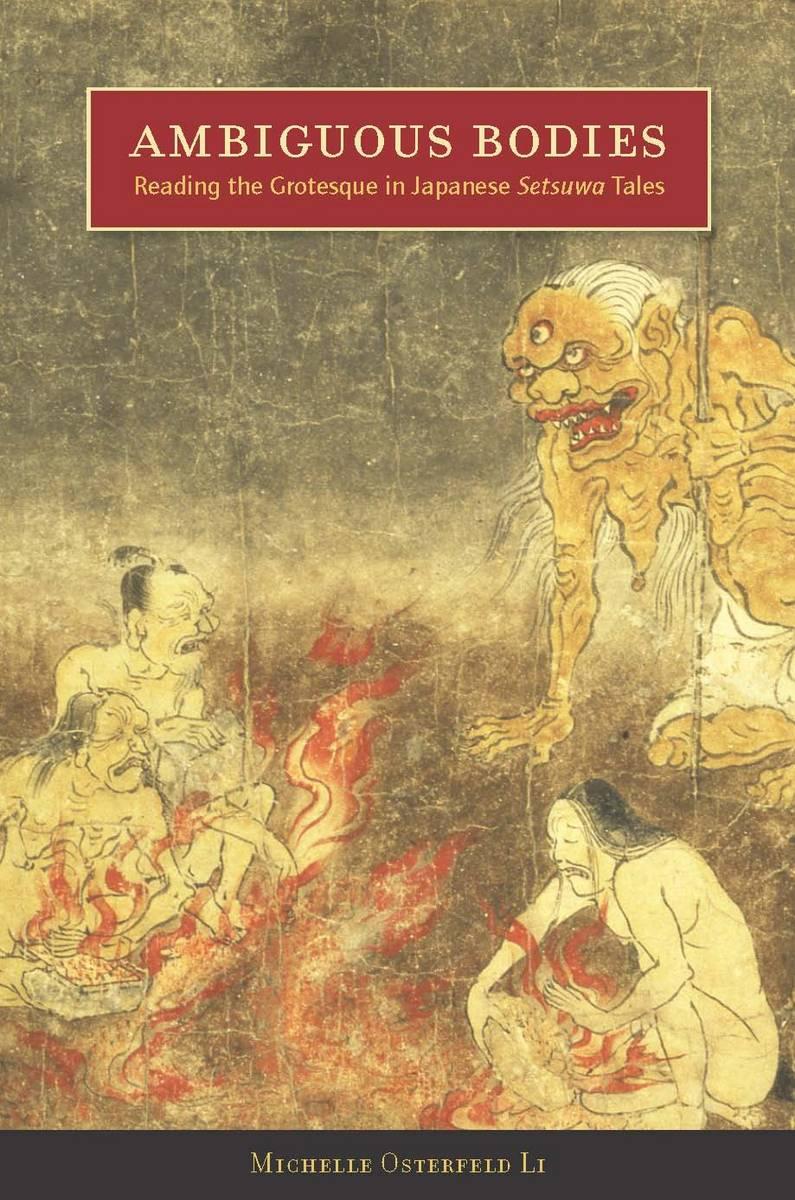
Ambiguous Bodies draws from theories of the grotesque to examine many of the strange and extraordinary creatures and phenomena in the premodern Japanese tales called setsuwa. Grotesque representations in general typically direct our attention to unfinished and unrefined things; they are marked by an earthy sense of the body and an interest in the physical. Because they have many meanings, they can both sustain and undermine authority. This book aims to make sense of grotesque representations in setsuwa—animated detached body parts, unusual sexual encounters, demons and shape-shifting or otherwise wondrous animals—and, in a broader sense, to show what this type of critical focus can reveal about the mentality of Japanese people in the ancient, classical, and early medieval periods. It is the first study to place Japanese tales of this nature, which have received little critical attention in English, within a sophisticated theoretical framework. Li masterfully and rigorously focuses on these fascinating tales in the context of the historical periods in which they were created and compiled.
Płać wygodnie kartą, Klarną, Apple Pay lub Google Pay. Nie jesteś zadowolony? Zawsze masz 14-dniową gwarancję zwrotu pieniędzy. Więcej przeczytasz w naszych warunkach. Masz pytania? Napisz do nas na hello@memmo.org.
Memmo ułatwia naukę – gdziekolwiek jesteś na świecie. U nas znajdziesz podręczniki i sprytne narzędzia do nauki w jednym miejscu: streszczenia, quizy, podcasty i fiszki. A do tego Ted, Twój kumpel do nauki, który odpowie na wszystko, co Cię nurtuje. Ponad 50 000 studentów już tu się uczy – stworzone, byś uczył się szybciej i mniej stresował.