
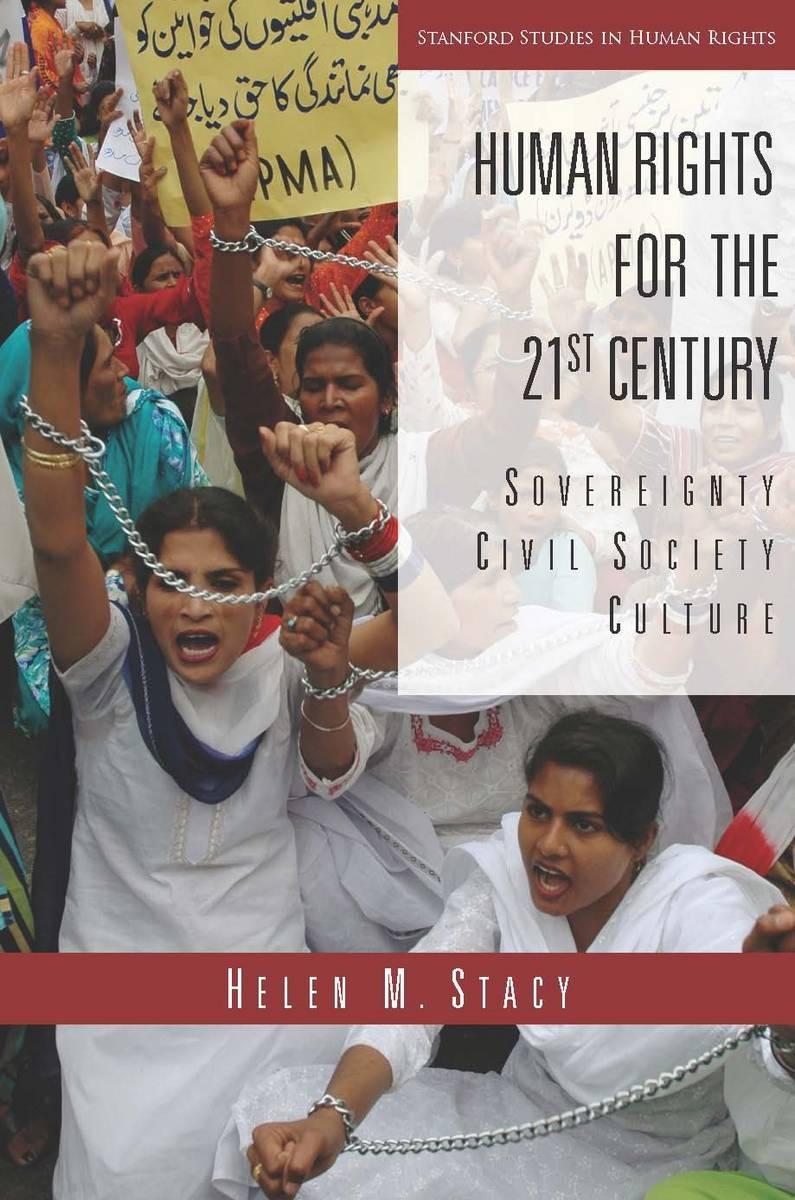
A new moral, ethical, and legal framework is needed for international human rights law. Never in human history has there been such an elaborate international system for human rights, yet from massive disasters, such as the Darfur genocide, to everyday tragedies, such as female genital mutilation, human rights abuses continue at an alarming rate. As the world population increases and global trade brings new wealth as well as new problems, international law can and should respond better to those who live in fear of violence, neglect, or harm.
Modern critiques global human rights fall into three categories: sovereignty, culture, and civil society. These are not new problems, but have long been debated as part of the legal philosophical tradition. Taking lessons from tradition and recasting them in contemporary light, Helen Stacy proposes new approaches to fill the gaps in current approaches: relational sovereignty, reciprocal adjudication, and regional human rights. She forcefully argues that law and courts must play a vital role in forging a better human rights vision in the future.
Płać wygodnie kartą, Klarną, Apple Pay lub Google Pay. Nie jesteś zadowolony? Zawsze masz 14-dniową gwarancję zwrotu pieniędzy. Więcej przeczytasz w naszych warunkach. Masz pytania? Napisz do nas na hello@memmo.org.
Memmo ułatwia naukę – gdziekolwiek jesteś na świecie. U nas znajdziesz podręczniki i sprytne narzędzia do nauki w jednym miejscu: streszczenia, quizy, podcasty i fiszki. A do tego Ted, Twój kumpel do nauki, który odpowie na wszystko, co Cię nurtuje. Ponad 50 000 studentów już tu się uczy – stworzone, byś uczył się szybciej i mniej stresował.