
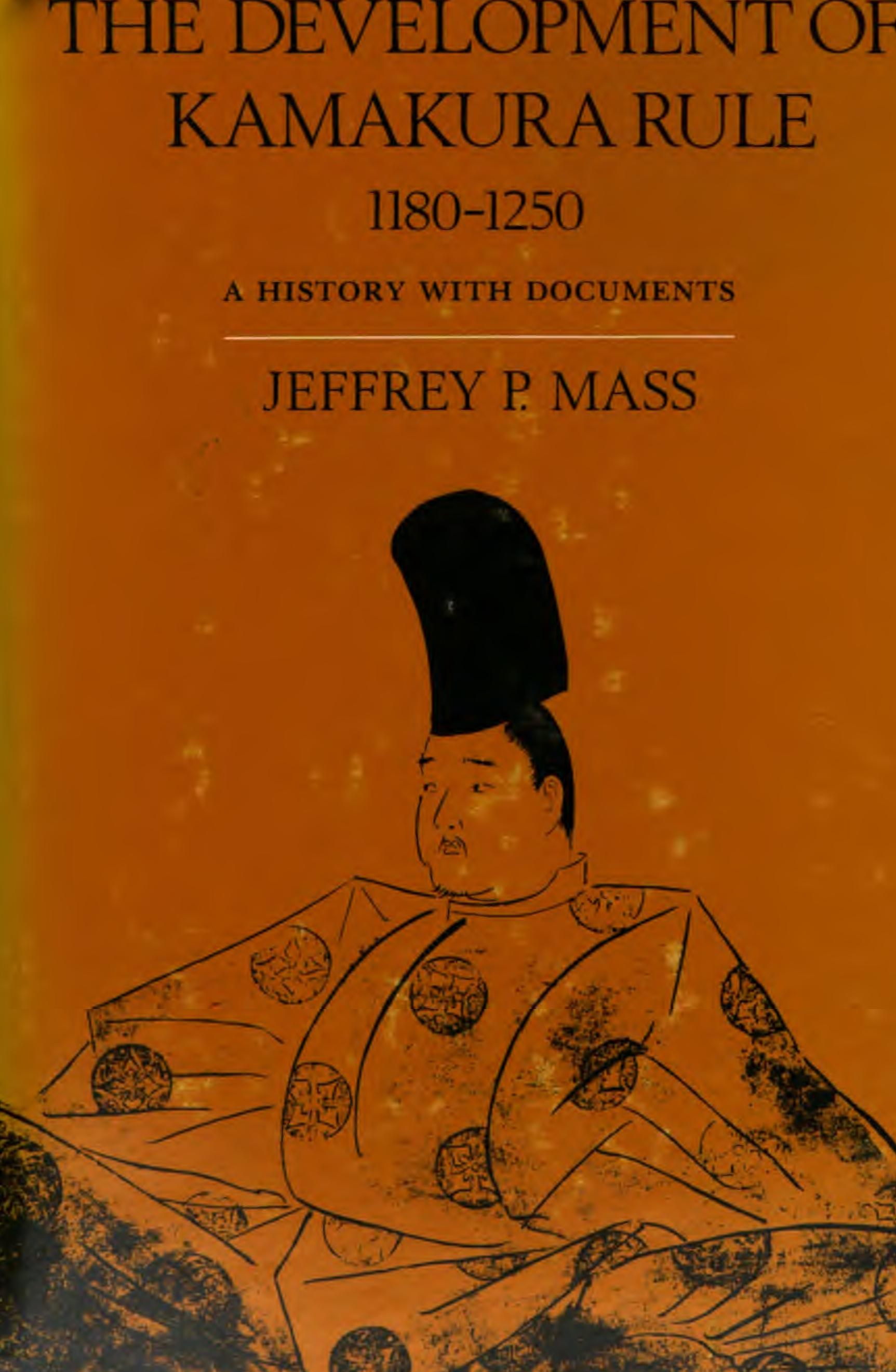
An examination of a formative period in medieval Japanese history, this study analyzes the origins and consequences of the Jōkyū War of 1221, a struggle of modest military proportions but of major political and legal importance. In defeating the traditional Court at Kyoto, the warrior government at Kamakura became the dominant national power; it subsequently created a highly efficient administration that gave Japan a century of social and political stability.
Crucial to the success of Kamakura rule was the development of a system of justice that has long been recognized as one of Japan's outstanding achievements. The author studies this system in detail, describing the forms and techniques for arbitrating disputes and showing exactly how suits were brought, expedited, and resolved.
The book includes annotated translations of 144 documents, a selection from the materials on which the book is based. These documents illuminate the changing power relationships after the Jōkyū War and the developing stages of the judicial process.
Płać wygodnie kartą, Klarną, Apple Pay lub Google Pay. Nie jesteś zadowolony? Zawsze masz 14-dniową gwarancję zwrotu pieniędzy. Więcej przeczytasz w naszych warunkach. Masz pytania? Napisz do nas na hello@memmo.org.
Memmo ułatwia naukę – gdziekolwiek jesteś na świecie. U nas znajdziesz podręczniki i sprytne narzędzia do nauki w jednym miejscu: streszczenia, quizy, podcasty i fiszki. A do tego Ted, Twój kumpel do nauki, który odpowie na wszystko, co Cię nurtuje. Ponad 50 000 studentów już tu się uczy – stworzone, byś uczył się szybciej i mniej stresował.
Może Ci się spodobać
Kup książkę0