
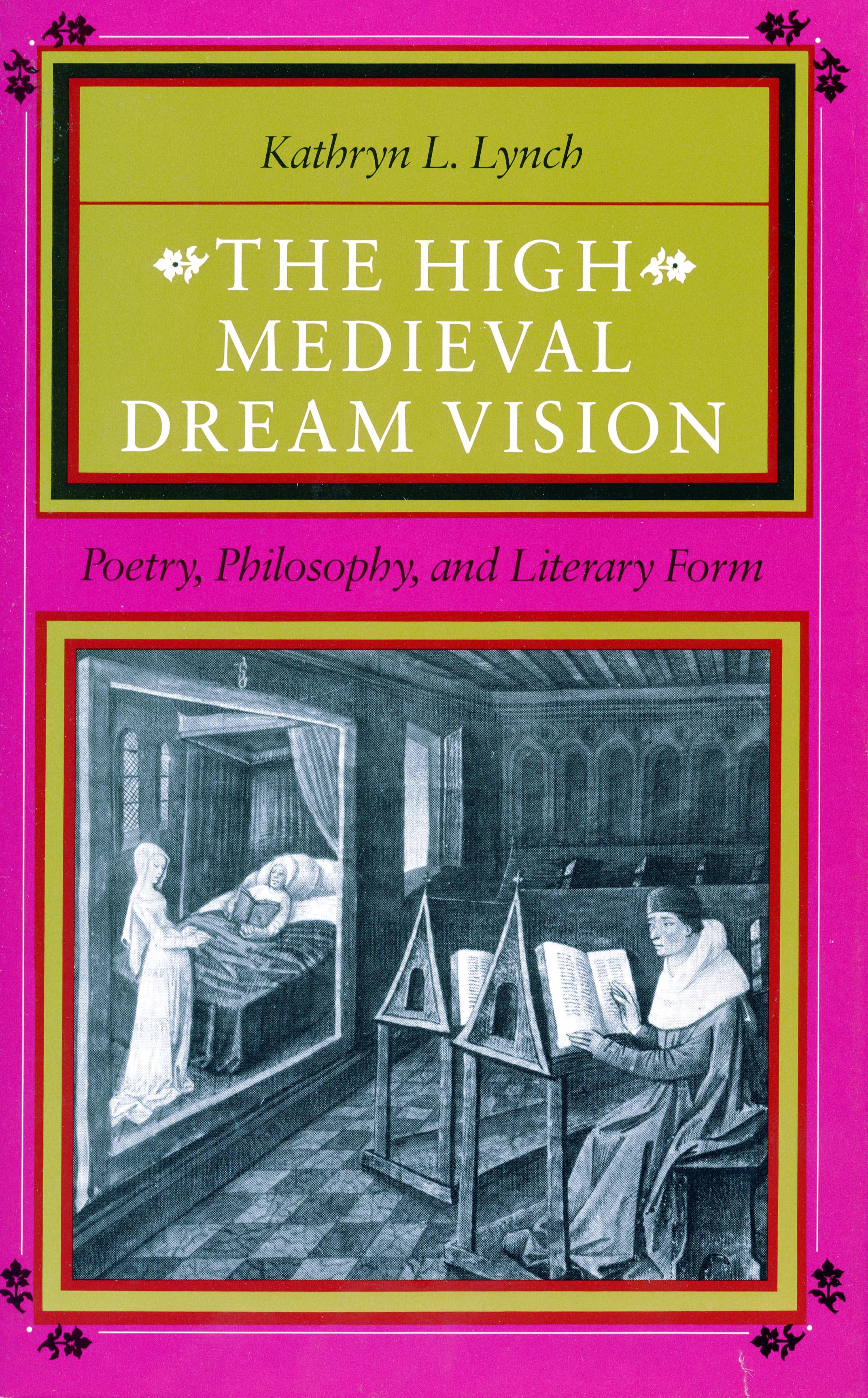
In the High Middle Ages, the dream narrative was an enormously popular and influential form. Along with the romance, it was perhaps the genre of the age. It has come down to us in such classics twelfth to fourteenth-century classics as The Divine Comedy, the Romance of the Rose, Piers Plowman, Chaucer's early poetry, and the works of Guillaume de Machaut. This book redefines the dream vision by attending to its role in philosophical debate of the time, a conservative role in defense of the high medieval synthesis of reason and revelation. Lynch shows how the epistemological basis of this synthesis and the theories of visions that emerged from it drew on Arabic commentaries of Aristotle. These theories informed poetic visions modeled on Boethius's Consolation of Philosophy, a work she discusses in detail before turning to Alain de Lille, Jean de Meun, and Dante. A final section, on John Gower's Confessio Amantis shows how fourteenth and fifteenth-century writers extended and finally moved beyond the conventional form of the dream vision.
Płać wygodnie kartą, Klarną, Apple Pay lub Google Pay. Nie jesteś zadowolony? Zawsze masz 14-dniową gwarancję zwrotu pieniędzy. Więcej przeczytasz w naszych warunkach. Masz pytania? Napisz do nas na hello@memmo.org.
Memmo ułatwia naukę – gdziekolwiek jesteś na świecie. U nas znajdziesz podręczniki i sprytne narzędzia do nauki w jednym miejscu: streszczenia, quizy, podcasty i fiszki. A do tego Ted, Twój kumpel do nauki, który odpowie na wszystko, co Cię nurtuje. Ponad 50 000 studentów już tu się uczy – stworzone, byś uczył się szybciej i mniej stresował.