
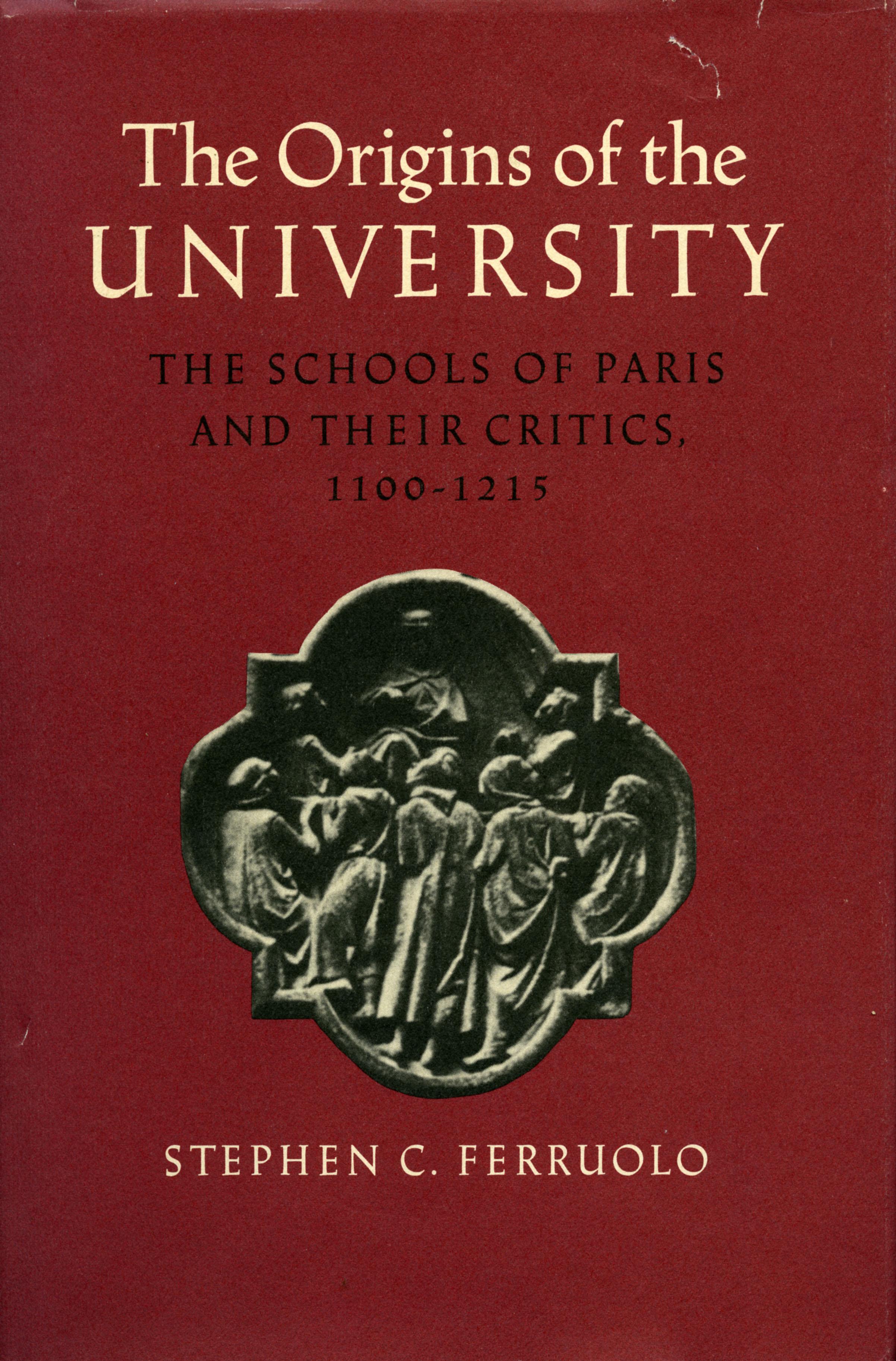
The University of Paris is generally regarded as the first true university, the model for others not only in France but throughout Europe, including Oxford and Cambridge. This book challenges two prevailing myths about the university's origins: first, that the university naturally developed to meet the utilitarian and professional needs of European society in the late Middle Ages, and second, that it was the product of the struggle by scholars to gain freedom and autonomy from external authorities, most notably church officials.
In the twelfth century, Paris was the educational center of Europe, with a large number of schools and masters attracting and competing for students. Over the decades, the schools of Paris had many critics—monastic reformers, humanists, satirists, and moralists—and the focus of this book is the role such critics played in developing the schools into a university. Ferruolo argues that it was the educational values and ideas promoted by the critics—ideas of the unity of knowledge, the need to share learning freely and willingly, and the higher purposes and social importance of education—that first inspired the scholars of Paris to join together to form a single guild. Their programs for educational reforms can be seen in the first set of statues promulgated for the nascent University of Paris in 1215.
Płać wygodnie kartą, Klarną, Apple Pay lub Google Pay. Nie jesteś zadowolony? Zawsze masz 14-dniową gwarancję zwrotu pieniędzy. Więcej przeczytasz w naszych warunkach. Masz pytania? Napisz do nas na hello@memmo.org.
Memmo ułatwia naukę – gdziekolwiek jesteś na świecie. U nas znajdziesz podręczniki i sprytne narzędzia do nauki w jednym miejscu: streszczenia, quizy, podcasty i fiszki. A do tego Ted, Twój kumpel do nauki, który odpowie na wszystko, co Cię nurtuje. Ponad 50 000 studentów już tu się uczy – stworzone, byś uczył się szybciej i mniej stresował.
Może Ci się spodobać
Kup książkę0