
"It must be some kind of experiment or something, to see how long people can live without food, without shelter, without security."—homeless woman, Grand Central Station, winter
"Homelessness is a routine fact of life on the margins. Materially, it emerges out of a tangled but unmysterious mix of factors: scarce housing, poorly planned and badly implemented policies of relocation and support, dismal prospects of work, exhausted or alienated kin.... Any outreach worker could tell you that list would be incomplete without one more: how misery can come to prefer its own company."—from the book
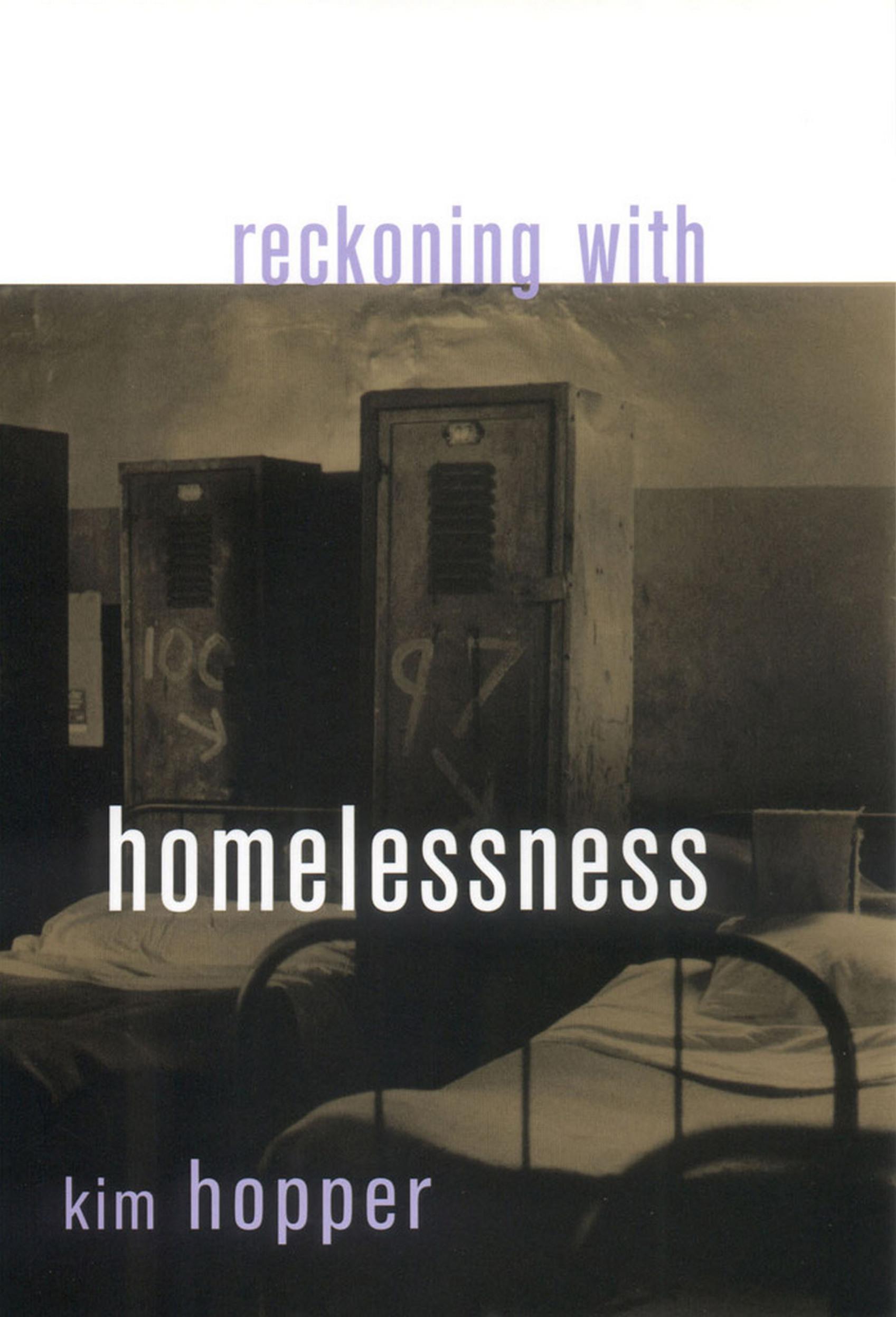
Kim Hopper has dedicated his career to trying to correct the problem of homelessness in the United States. In his powerful book, he draws upon his dual strengths as anthropologist and advocate to provide a deeper understanding of the roots of homelessness. He also investigates the complex attitudes brought to bear on the issue since his pioneering fieldwork with Ellen Baxter twenty years ago helped put homelessness on the public agenda.
Beginning with his own introduction to the problem in New York, Hopper uses ethnography, literature, history, and activism to place homelessness into historical context and to trace the process by which homelessness came to be recognized as an issue. He tells the largely neglected story of homelessness among African Americans and vividly portrays various sites of public homelessness, such as airports. His accounts of life on the streets make for powerful reading.
Płać wygodnie kartą, Klarną, Apple Pay lub Google Pay. Nie jesteś zadowolony? Zawsze masz 14-dniową gwarancję zwrotu pieniędzy. Więcej przeczytasz w naszych warunkach. Masz pytania? Napisz do nas na hello@memmo.org.
Memmo ułatwia naukę – gdziekolwiek jesteś na świecie. U nas znajdziesz podręczniki i sprytne narzędzia do nauki w jednym miejscu: streszczenia, quizy, podcasty i fiszki. A do tego Ted, Twój kumpel do nauki, który odpowie na wszystko, co Cię nurtuje. Ponad 50 000 studentów już tu się uczy – stworzone, byś uczył się szybciej i mniej stresował.