
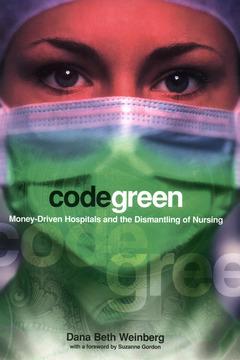
We are on the verge of the nation's worst nursing shortage in history. Dedicated nurses are leaving hospitals in droves, and there are not enough new recruits to the profession to meet demand. Even hospitals that were once very highly regarded for the quality of their nursing care, such as Boston's Beth Israel Deaconess Medical Center, now struggle to fill vacant positions. What happened? Dana Beth Weinberg argues that hospital restructuring in the 1990s is to blame.
In their attempts to retain profit margins or even just to stay afloat, hospitals adopted a common set of practices to cut costs and increase revenues. Many strategies squeezed greater productivity out of nurses and other hospital workers. Nurses' workloads increased to the point that even the most skilled nurses questioned whether they could provide minimal, safe care to patients. As hospitals hemorrhaged money, it seemed that no one—not hospital administrators, not doctors—felt they could afford to listen to nurses.
Through a careful look at the effects of the restructuring strategies chosen and implemented by Beth Israel Deaconess Medical Center, the author examines management's efforts to balance service and survival. By showing the effects of hospital restructuring on nurses' ability to plan, evaluate, and deliver excellent care, Weinberg provides a stinging indictment of standard industry practices that underestimate the contribution nurses make both to hospitals and to patient care.
Płać wygodnie kartą, Klarną, Apple Pay lub Google Pay. Nie jesteś zadowolony? Zawsze masz 14-dniową gwarancję zwrotu pieniędzy. Więcej przeczytasz w naszych warunkach. Masz pytania? Napisz do nas na hello@memmo.org.
Memmo ułatwia naukę – gdziekolwiek jesteś na świecie. U nas znajdziesz podręczniki i sprytne narzędzia do nauki w jednym miejscu: streszczenia, quizy, podcasty i fiszki. A do tego Ted, Twój kumpel do nauki, który odpowie na wszystko, co Cię nurtuje. Ponad 50 000 studentów już tu się uczy – stworzone, byś uczył się szybciej i mniej stresował.