
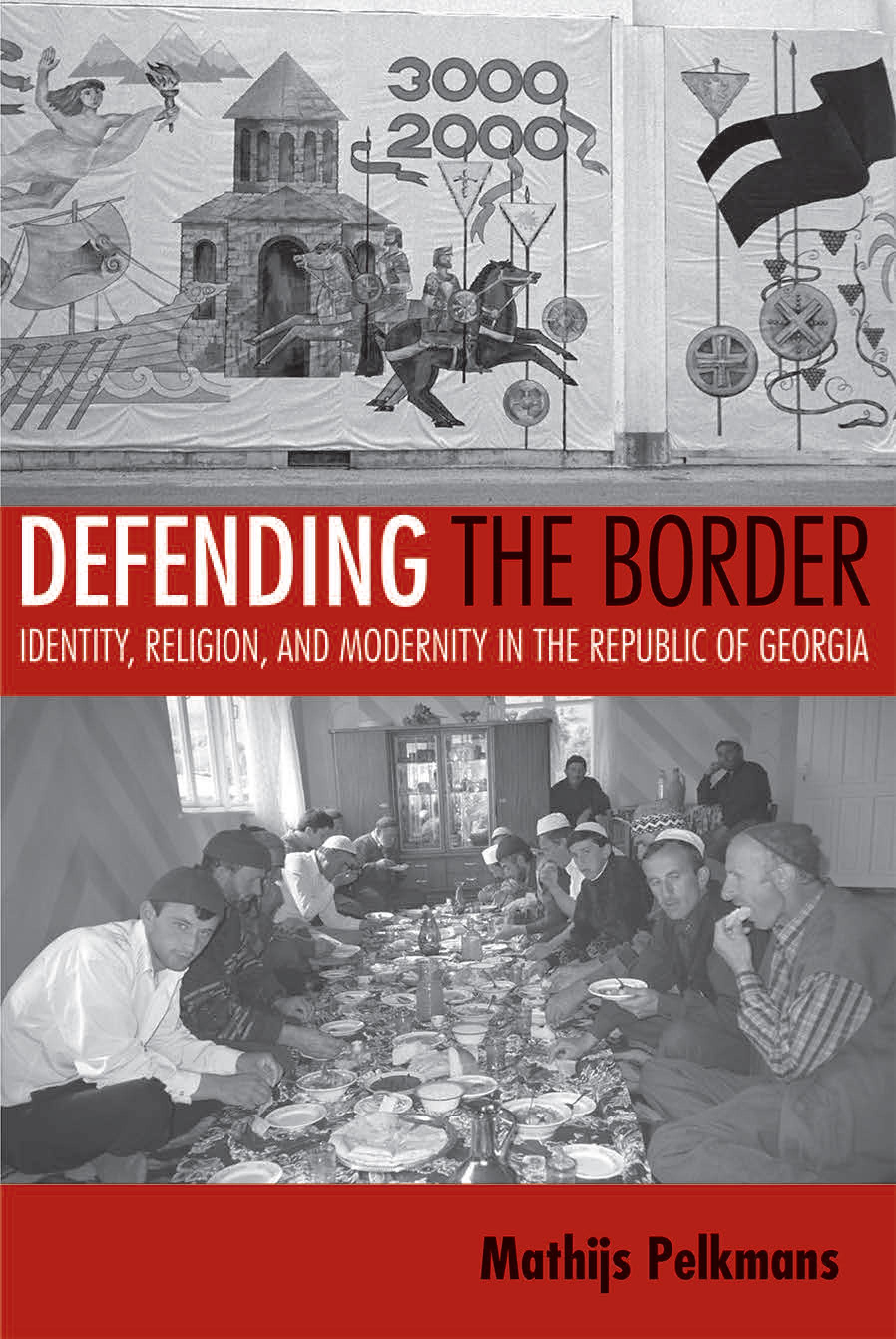
This book, one of the first in English about everyday life in the Republic of Georgia, describes how people construct identity in a rapidly changing border region. Based on extensive ethnographic research, it illuminates the myriad ways residents of the Caucasus have rethought who they are since the collapse of the Soviet Union. Through an exploration of three towns in the southwest corner of Georgia, all of which are situated close to the Turkish frontier, Mathijs Pelkmans shows how social and cultural boundaries took on greater importance in the years of transition, when such divisions were expected to vanish.
By tracing the fears, longings, and disillusionment that border dwellers projected on the Iron Curtain, Pelkmans demonstrates how elements of culture formed along and in response to territorial divisions, and how these elements became crucial in attempts to rethink the border after its physical rigidities dissolved in the 1990s. The new boundary-drawing activities had the effect of grounding and reinforcing Soviet constructions of identity, even though they were part of the process of overcoming and dismissing the past. Ultimately, Pelkmans finds that the opening of the border paradoxically inspired a newfound appreciation for the previously despised Iron Curtain as something that had provided protection and was still worth defending.
Płać wygodnie kartą, Klarną, Apple Pay lub Google Pay. Nie jesteś zadowolony? Zawsze masz 14-dniową gwarancję zwrotu pieniędzy. Więcej przeczytasz w naszych warunkach. Masz pytania? Napisz do nas na hello@memmo.org.
Memmo ułatwia naukę – gdziekolwiek jesteś na świecie. U nas znajdziesz podręczniki i sprytne narzędzia do nauki w jednym miejscu: streszczenia, quizy, podcasty i fiszki. A do tego Ted, Twój kumpel do nauki, który odpowie na wszystko, co Cię nurtuje. Ponad 50 000 studentów już tu się uczy – stworzone, byś uczył się szybciej i mniej stresował.