
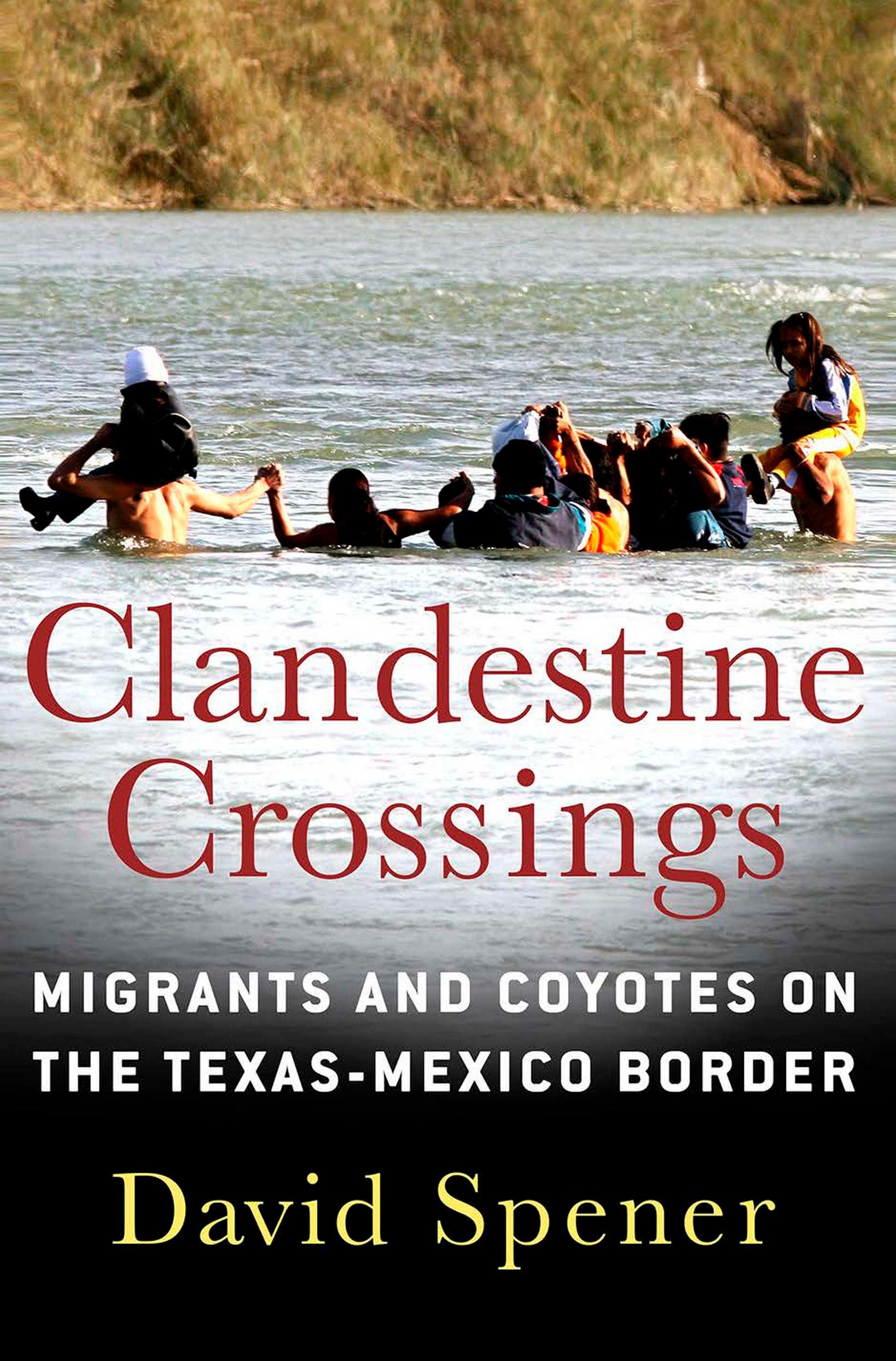
Clandestine Crossings delivers an in-depth description and analysis of the experiences of working-class Mexican migrants at the beginning of the twenty-first century as they enter the United States surreptitiously with the help of paid guides known as coyotes. Drawing on ethnographic observations of crossing conditions in the borderlands of South Texas, as well as interviews with migrants, coyotes, and border officials, Spener details how migrants and coyotes work together to evade apprehension by U.S. law enforcement authorities as they cross the border. In so doing, he seeks to dispel many of the myths that misinform public debate about undocumented immigration to the United States.
The hiring of a coyote, Spener argues, is one of the principal strategies that Mexican migrants have developed in response to intensified U.S. border enforcement. Although this strategy is typically portrayed in the press as a sinister organized-crime phenomenon, Spener argues that it is better understood as the resistance of working-class Mexicans to an economic model and set of immigration policies in North America that increasingly resemble an apartheid system. In the absence of adequate employment opportunities in Mexico and legal mechanisms for them to work in the United States, migrants and coyotes draw on their social connections and cultural knowledge to stage successful border crossings in spite of the ever greater dangers placed in their path by government authorities.
Płać wygodnie kartą, Klarną, Apple Pay lub Google Pay. Nie jesteś zadowolony? Zawsze masz 14-dniową gwarancję zwrotu pieniędzy. Więcej przeczytasz w naszych warunkach. Masz pytania? Napisz do nas na hello@memmo.org.
Memmo ułatwia naukę – gdziekolwiek jesteś na świecie. U nas znajdziesz podręczniki i sprytne narzędzia do nauki w jednym miejscu: streszczenia, quizy, podcasty i fiszki. A do tego Ted, Twój kumpel do nauki, który odpowie na wszystko, co Cię nurtuje. Ponad 50 000 studentów już tu się uczy – stworzone, byś uczył się szybciej i mniej stresował.