
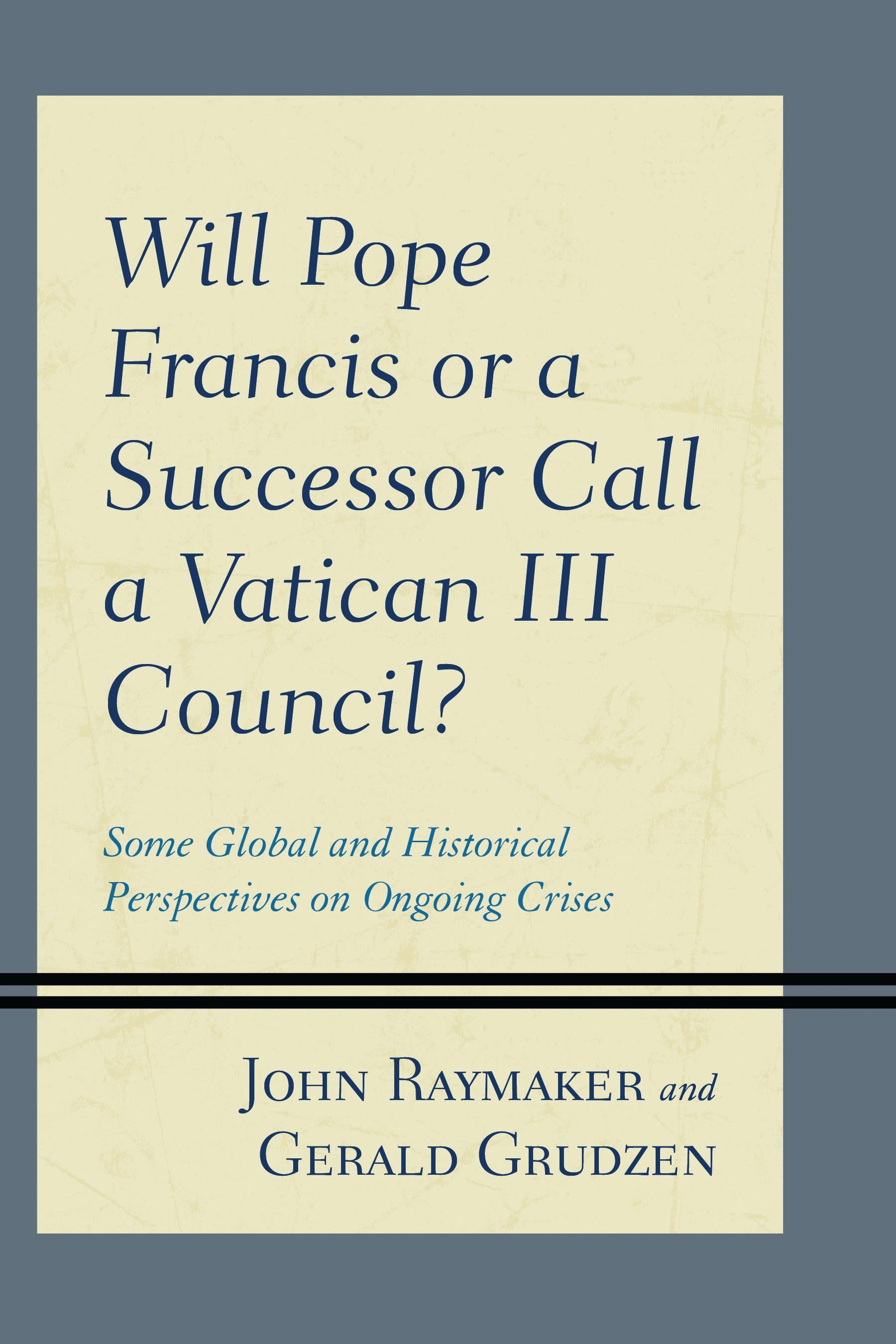
In 2008, the authors wrote Steps toward Vatican III which explored developments occurring in the Catholic Church including its teachings on social justice, interreligious dialogue, and Small Christian Communities. This update of Steps explores how Pope Francis has developed such themes in original ways in his encyclicals and in his use of synodal consultations. For example, in his Encyclical Laudato Si, the pope seeks to lead us into the mysteries of the universe, of creatures, and the harmony of creation. It helps us reflect on the universal communion of nature. Calling for a global ecological policy and a cooperative approach, the pope warns us that unless we respect nature, the entire planet and humanity will face drastic consequences.
In his meetings with economists and entrepreneurs, the pope has proposed a pact for renewing the economy to counteract the asocial aspects of modern business practices. He has discussed some of the most complex problems in today's world--from safeguarding the environment to courageously committing oneself to rethink the economic paradigms of our time. Young people, in particular, have responded with enthusiasm to Pope Francis’ initiatives. The book notes how some "traditional" Catholics have opposed the pope, but it argues that, in fact, the pope is more traditional than his critics for he insists on going back to Jesus' own teachings.
The new ongoing crises such as the breakdown and rise of new ideologies, terrorism, massive advances in the sciences and in technology, as well as fundamental shifts in gender relations are further factors considered in the book. Indeed, the world is now radically different from the world of the early 1960’s when Vatican II Council was held. Due to these many radical changes, the book suggests the need for a Vatican III which would consolidate the Church’s global outreach on every continent.
In his meetings with economists and entrepreneurs, the pope has proposed a pact for renewing the economy to counteract the asocial aspects of modern business practices. He has discussed some of the most complex problems in today's world--from safeguarding the environment to courageously committing oneself to rethink the economic paradigms of our time. Young people, in particular, have responded with enthusiasm to Pope Francis’ initiatives. The book notes how some "traditional" Catholics have opposed the pope, but it argues that, in fact, the pope is more traditional than his critics for he insists on going back to Jesus' own teachings.
The new ongoing crises such as the breakdown and rise of new ideologies, terrorism, massive advances in the sciences and in technology, as well as fundamental shifts in gender relations are further factors considered in the book. Indeed, the world is now radically different from the world of the early 1960’s when Vatican II Council was held. Due to these many radical changes, the book suggests the need for a Vatican III which would consolidate the Church’s global outreach on every continent.
Płać wygodnie kartą, Klarną, Apple Pay lub Google Pay. Nie jesteś zadowolony? Zawsze masz 14-dniową gwarancję zwrotu pieniędzy. Więcej przeczytasz w naszych warunkach. Masz pytania? Napisz do nas na hello@memmo.org.
Memmo ułatwia naukę – gdziekolwiek jesteś na świecie. U nas znajdziesz podręczniki i sprytne narzędzia do nauki w jednym miejscu: streszczenia, quizy, podcasty i fiszki. A do tego Ted, Twój kumpel do nauki, który odpowie na wszystko, co Cię nurtuje. Ponad 50 000 studentów już tu się uczy – stworzone, byś uczył się szybciej i mniej stresował.