
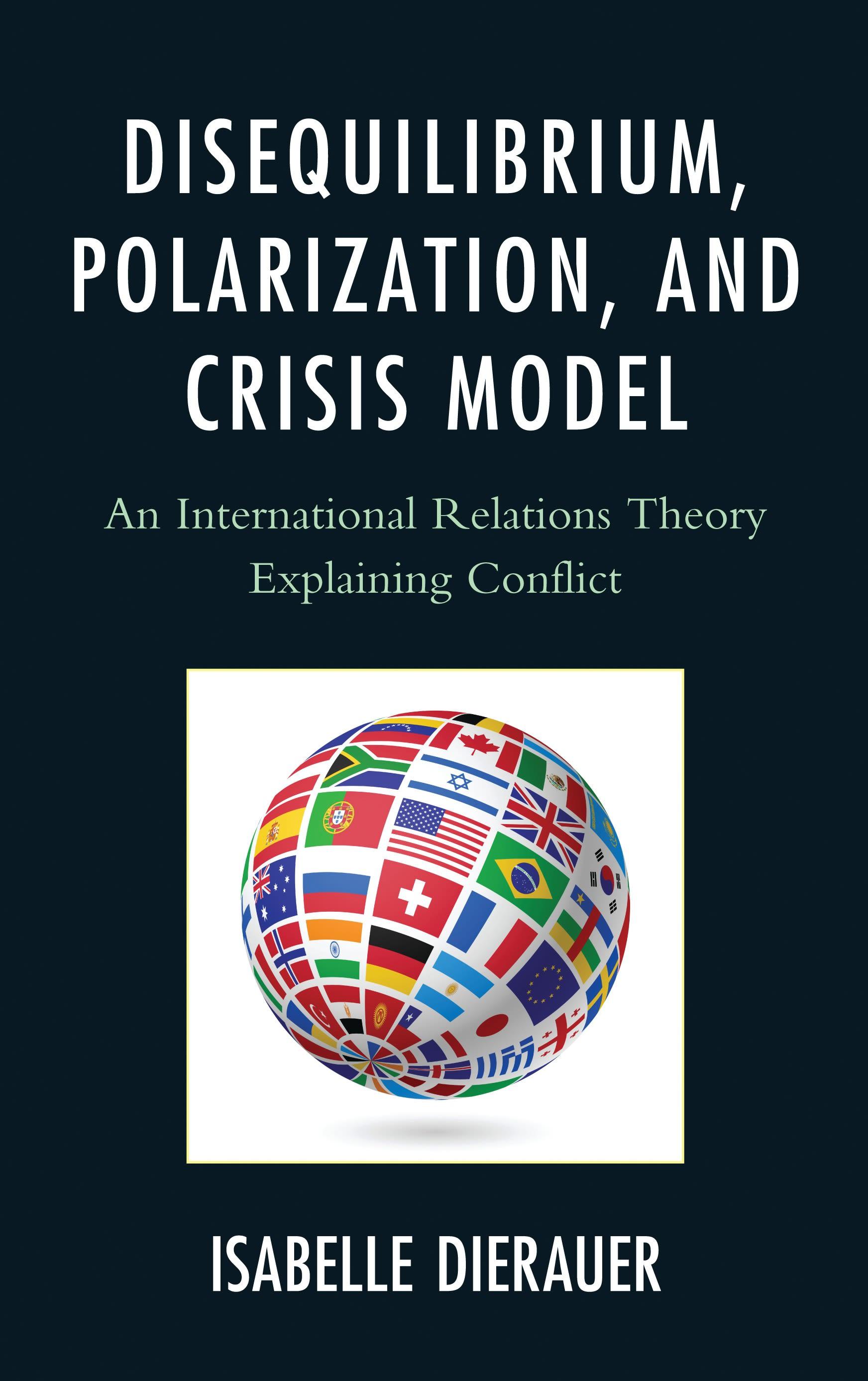
Different international relations theorists have studied political change, but all fall short of sufficiently integrating human reactions, feelings, and responses to change in their theories. This book adds a social psychological component to the analysis of why nations, politically organized groups, or states enter into armed conflict. The Disequilibrium, Polarization, and Crisis Model is introduced, which draws from prospect theory, realism, liberalism, and constructivism. The theory considers how humans react and respond to change in their social, political, and economic environment. Three case studies, the U.S. Civil War, the Yugoslav Wars (1991-1995), and the First World War are applied to illustrate the model’s six process stages: status quo, change creating shifts that lead to disequilibrium, realization of loss, hanging on to the old status quo, emergence of a rigid system, and risky decisions leading to violence and war.
Strony: 280
Kategoria: Statsvetenskap & Politik
e-ISBN: 9780761861065
Waga przesyłki: 1.2 kg
Wysyłka w ciągu: 1-2 dni
Płać wygodnie kartą, Klarną, Apple Pay lub Google Pay. Nie jesteś zadowolony? Zawsze masz 14-dniową gwarancję zwrotu pieniędzy. Więcej przeczytasz w naszych warunkach. Masz pytania? Napisz do nas na hello@memmo.org.
Memmo ułatwia naukę – gdziekolwiek jesteś na świecie. U nas znajdziesz podręczniki i sprytne narzędzia do nauki w jednym miejscu: streszczenia, quizy, podcasty i fiszki. A do tego Ted, Twój kumpel do nauki, który odpowie na wszystko, co Cię nurtuje. Ponad 50 000 studentów już tu się uczy – stworzone, byś uczył się szybciej i mniej stresował.