
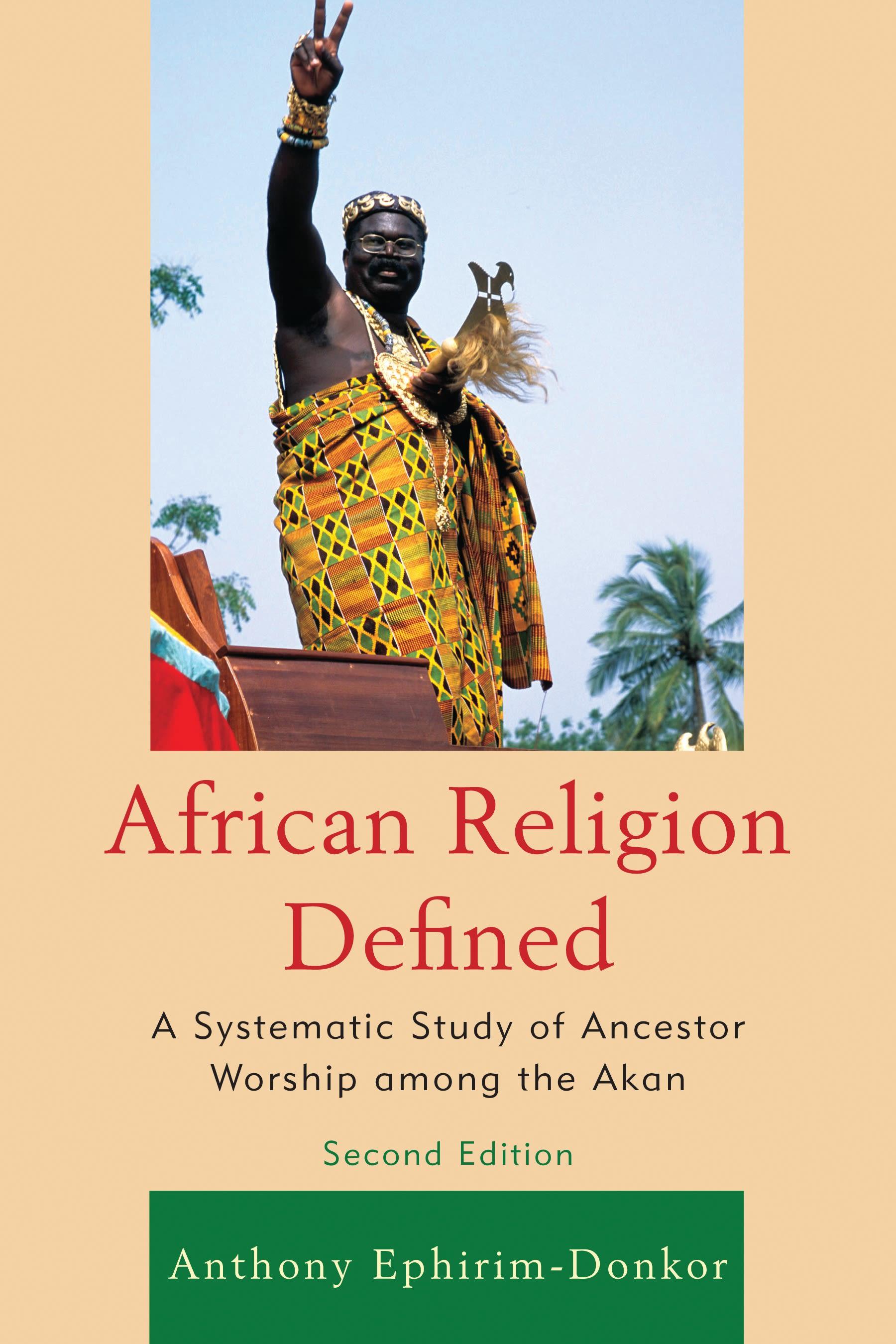
African religion is ancestor worship; it revolves around the dead, now thought to be alive and well in heaven (the Samanadzie) and propitiated by the living on earth. For the Akan, the ancestors’ stool is the emblem of the ancestors (Nananom Nsamanfo). Led by their kings and queen mothers as living ancestors, the Akan periodically propitiate the ancestors’ stools housing their ancestors. In return, the ancestors and deities influence the affairs of living descendants, making ancestor worship as tenably viable as any other religion.
This second edition updates the scholarship on ancestor worship by demonstrating the centrality of the ancestors’ stool as the ultimate religious symbol. In addition, all chapters have been expanded. A new chapter has been added to show how ancestor worship is pragmatically integrative, theologically sound, teleological as well as soteriological, with a highly trained clerical body and elders as mediators.
This second edition updates the scholarship on ancestor worship by demonstrating the centrality of the ancestors’ stool as the ultimate religious symbol. In addition, all chapters have been expanded. A new chapter has been added to show how ancestor worship is pragmatically integrative, theologically sound, teleological as well as soteriological, with a highly trained clerical body and elders as mediators.
Płać wygodnie kartą, Klarną, Apple Pay lub Google Pay. Nie jesteś zadowolony? Zawsze masz 14-dniową gwarancję zwrotu pieniędzy. Więcej przeczytasz w naszych warunkach. Masz pytania? Napisz do nas na hello@memmo.org.
Memmo ułatwia naukę – gdziekolwiek jesteś na świecie. U nas znajdziesz podręczniki i sprytne narzędzia do nauki w jednym miejscu: streszczenia, quizy, podcasty i fiszki. A do tego Ted, Twój kumpel do nauki, który odpowie na wszystko, co Cię nurtuje. Ponad 50 000 studentów już tu się uczy – stworzone, byś uczył się szybciej i mniej stresował.