
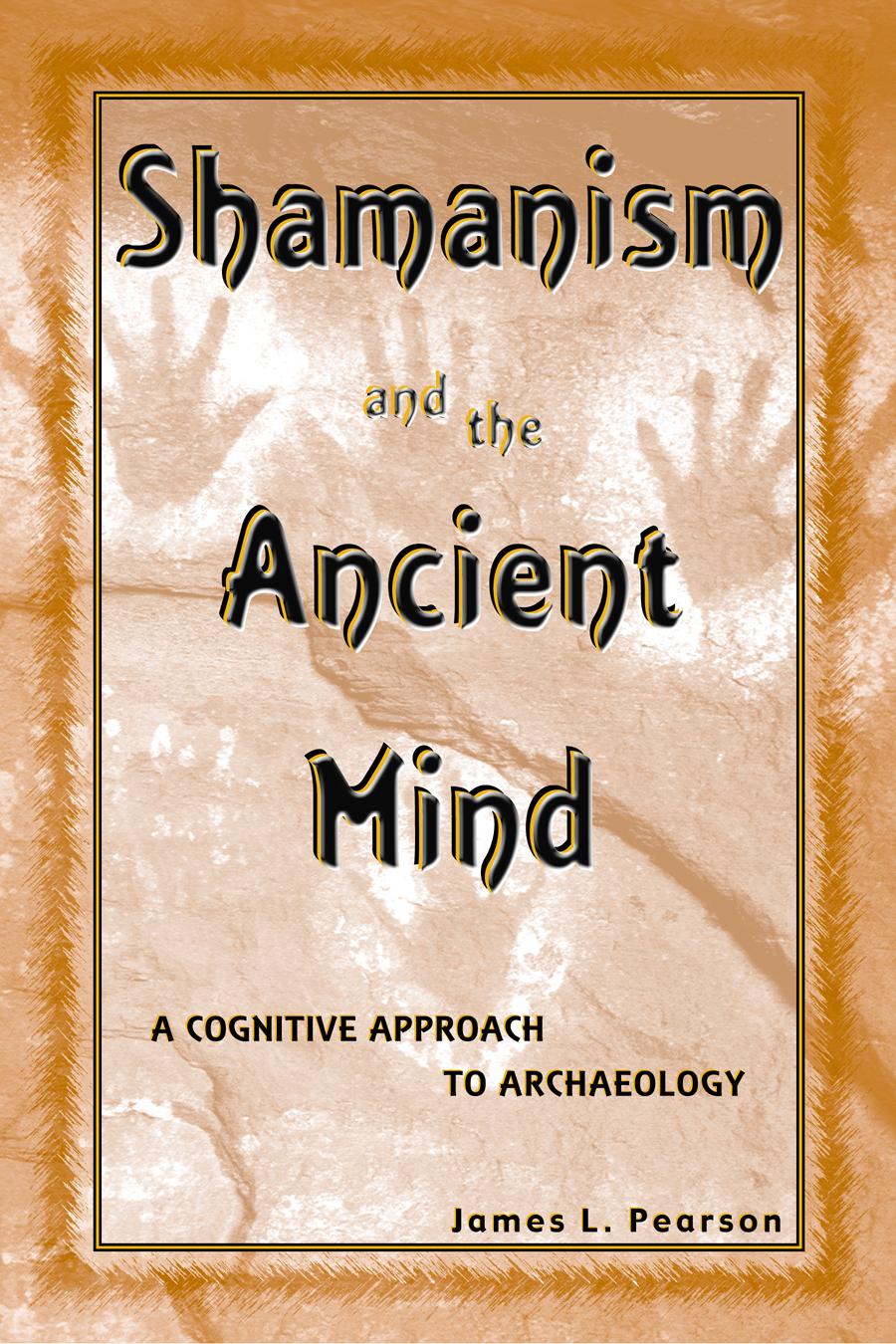
Pearson brings a cogent, well-argued case for the understanding of much prehistoric art as shamanistic practice. Using the theoretical premises of cognitive archaeology and a careful examination of rock art worldwide, Pearson is able to dismiss other theories of why ancient peoples produced art_totemism, art-for-art's sake, structuralism, hunting magic. Then examining both ethnographic and neuropsychological evidence, he makes a strong case for the use of shamanistic ritual and hallucinogenic substances as the genesis of much prehistoric art. Bolstered with examples from contemporary cultures and archaeological sites around the world, Pearson's thesis should be of interest not only to archaeologists, but art historians, psychologists, cultural anthropologist, and the general public.
Płać wygodnie kartą, Klarną, Apple Pay lub Google Pay. Nie jesteś zadowolony? Zawsze masz 14-dniową gwarancję zwrotu pieniędzy. Więcej przeczytasz w naszych warunkach. Masz pytania? Napisz do nas na hello@memmo.org.
Memmo ułatwia naukę – gdziekolwiek jesteś na świecie. U nas znajdziesz podręczniki i sprytne narzędzia do nauki w jednym miejscu: streszczenia, quizy, podcasty i fiszki. A do tego Ted, Twój kumpel do nauki, który odpowie na wszystko, co Cię nurtuje. Ponad 50 000 studentów już tu się uczy – stworzone, byś uczył się szybciej i mniej stresował.