
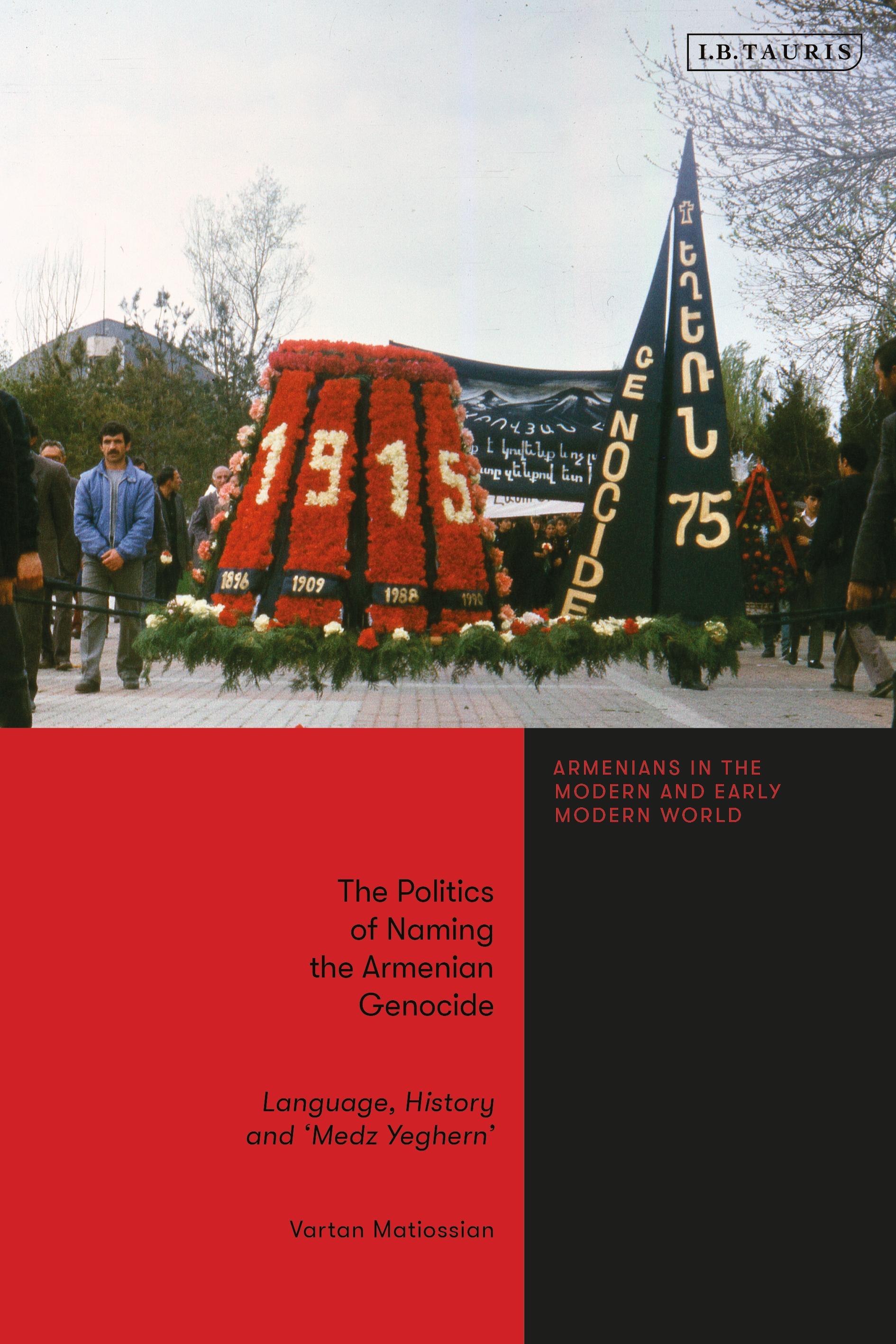
This book explores the genealogy of the concept of 'Medz Yeghern' ('Great Crime'), the Armenian term for the mass murder and ethnic cleansing of the Armenian ethno-religious group in the Ottoman Empire between the years 1915-1923. Widely accepted by historians as one of the classical cases of genocide in the 20th century, ascribing the right definition to the crime has been a source of contention and controversy in international politics. Vartan Matiossian here draws upon extensive research based on Armenian sources, neglected in much of the current historiography, as well as other European languages in order to trace the development of the concepts pertaining to mass killing and genocide of Armenians from the ancient to the modern periods. Beginning with an analysis of the term itself, he shows how the politics of its use evolved as Armenians struggled for international recognition of the crime after 1945, in the face of Turkish protest. Taking a combined historical, philological, literary and political perspective, the book is an insightful exploration of the politics of naming a catastrophic historical event, and the competitive nature of national collective memories.
Płać wygodnie kartą, Klarną, Apple Pay lub Google Pay. Nie jesteś zadowolony? Zawsze masz 14-dniową gwarancję zwrotu pieniędzy. Więcej przeczytasz w naszych warunkach. Masz pytania? Napisz do nas na hello@memmo.org.
Memmo ułatwia naukę – gdziekolwiek jesteś na świecie. U nas znajdziesz podręczniki i sprytne narzędzia do nauki w jednym miejscu: streszczenia, quizy, podcasty i fiszki. A do tego Ted, Twój kumpel do nauki, który odpowie na wszystko, co Cię nurtuje. Ponad 50 000 studentów już tu się uczy – stworzone, byś uczył się szybciej i mniej stresował.