
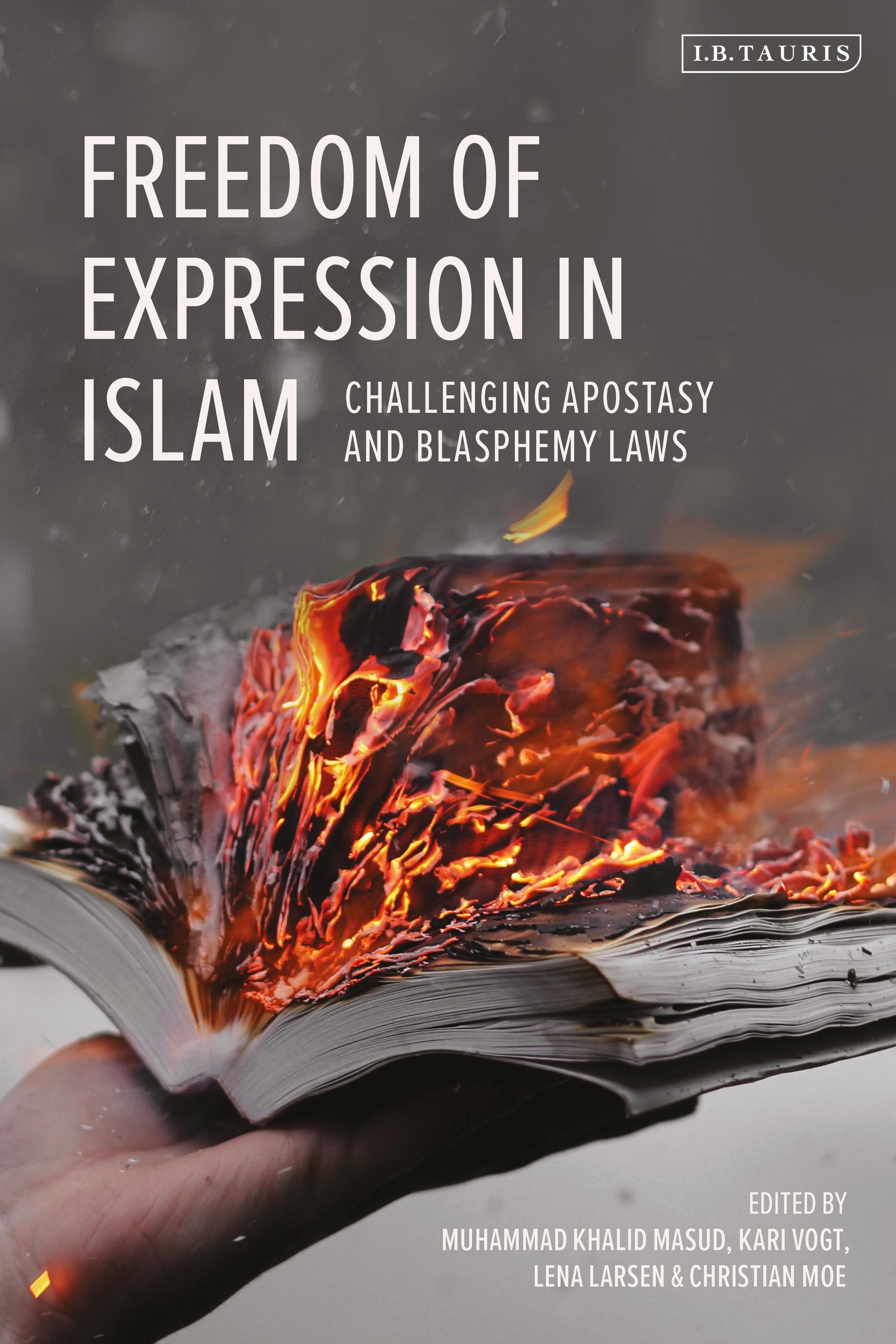
In Muslim countries, apostasy and blasphemy laws are defended on the grounds that they are based on Islamic Shari'a and intended to protect religion. But blasphemy and apostasy laws can be used both to suppress thought and debate and to harass religious minorities, both inside and outside Islam. This book – comprising contributions from Muslim scholars, experts and activists - critically and constructively engages with the theological, historical and legal reasoning behind the most restrictive state laws around the world to open up new ways of thinking.
The book focuses on the struggle within Muslim societies in Iran, Egypt, Pakistan and Indonesia where blasphemy and apostasy laws serve powerful groups to silence dissent and stifle critical thought. The first part of the book covers the development of the law in shifting historical circumstances and surveys the interpretations of Qur'anic verses that seem to affirm freedom of religion. The second part examines the present politics and practices of prosecuting alleged blasphemers and/or apostates in Muslim countries. The third part looks to the future and where reforms of the law could be possible.
Debates on Islam and freedom of expression are often cast in polarizing terms of rights versus religion, East versus West. This volume avoids such approaches by bringing together a diverse group of Muslim scholars and activists with the knowledge, commitment and courage to contest repressive interpretations of religion and provide a resource for reclaiming the human rights to freedom of expression and belief.
The book focuses on the struggle within Muslim societies in Iran, Egypt, Pakistan and Indonesia where blasphemy and apostasy laws serve powerful groups to silence dissent and stifle critical thought. The first part of the book covers the development of the law in shifting historical circumstances and surveys the interpretations of Qur'anic verses that seem to affirm freedom of religion. The second part examines the present politics and practices of prosecuting alleged blasphemers and/or apostates in Muslim countries. The third part looks to the future and where reforms of the law could be possible.
Debates on Islam and freedom of expression are often cast in polarizing terms of rights versus religion, East versus West. This volume avoids such approaches by bringing together a diverse group of Muslim scholars and activists with the knowledge, commitment and courage to contest repressive interpretations of religion and provide a resource for reclaiming the human rights to freedom of expression and belief.
Płać wygodnie kartą, Klarną, Apple Pay lub Google Pay. Nie jesteś zadowolony? Zawsze masz 14-dniową gwarancję zwrotu pieniędzy. Więcej przeczytasz w naszych warunkach. Masz pytania? Napisz do nas na hello@memmo.org.
Memmo ułatwia naukę – gdziekolwiek jesteś na świecie. U nas znajdziesz podręczniki i sprytne narzędzia do nauki w jednym miejscu: streszczenia, quizy, podcasty i fiszki. A do tego Ted, Twój kumpel do nauki, który odpowie na wszystko, co Cię nurtuje. Ponad 50 000 studentów już tu się uczy – stworzone, byś uczył się szybciej i mniej stresował.