
I.B. Tauris in association with the Institute of Ismaili Studies
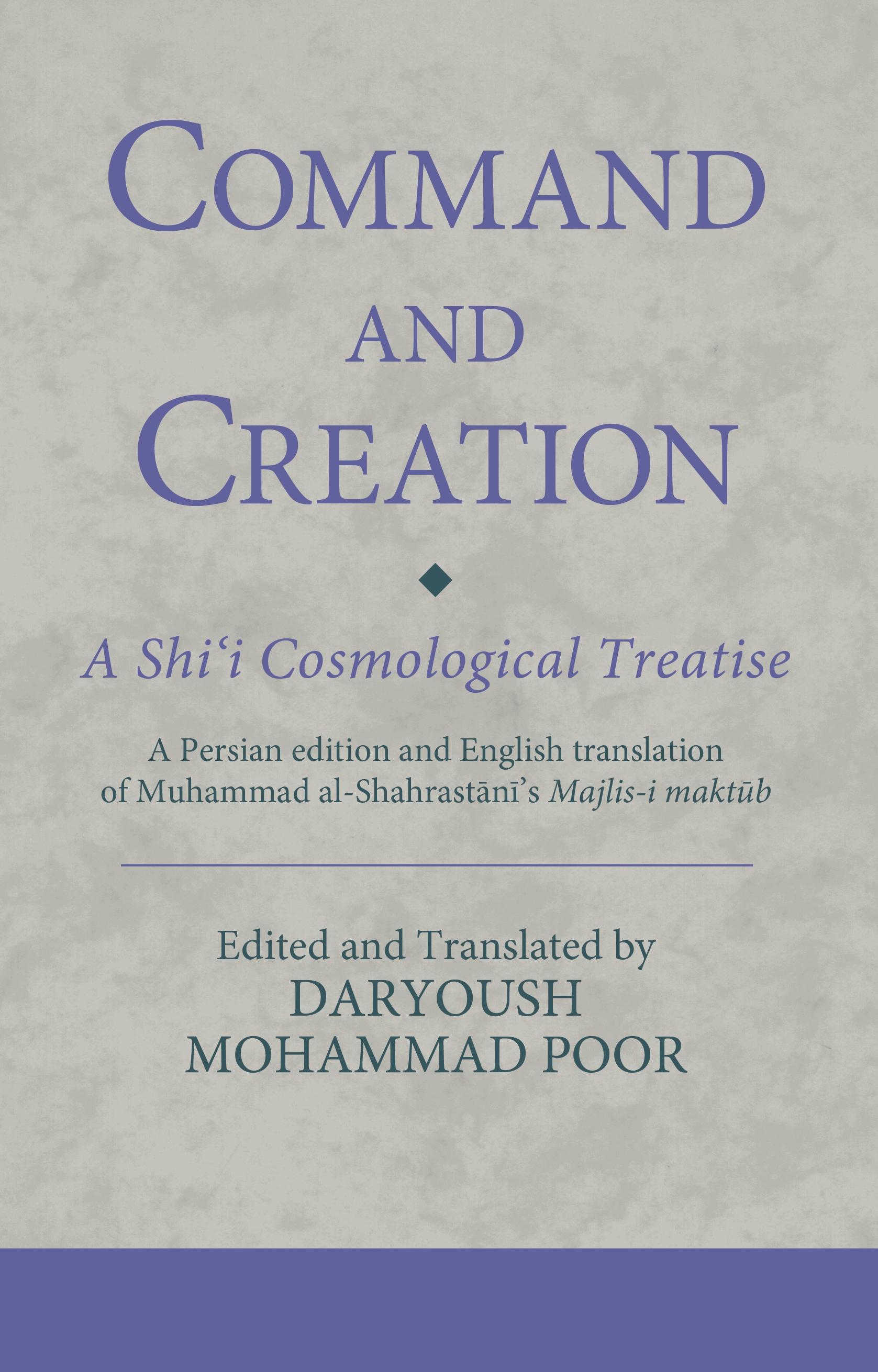
Among the considerable oeuvre of Muhammad al-Shahrastani (1086–1153), the prominent Persian theologian and heresiographer, the Majlis-i maktub ('The Transcribed Sermon') is his only known work in Persian. First delivered as a sermon in Khwarazm in Central Asia, this treatise invokes the theme of creation and command, providing an esoteric cosmological narrative where faith, revelation, prophecy and the spiritual authority of the Household of the Prophet are interwoven. The Majlis-i maktub further discusses themes such as the evolution of religious law (shari'at) and its culmination in the qiyamat (resurrection), the relation between free will and predestination, the interplay between the exoteric and esoteric aspects of faith, and the role and function of the Shi?i Imams in the cosmological narrative.
This treatise is arguably the most dense expression of al-Shahrastani's thought, and it demonstrably indicates the Ismaili inclination of this Muslim scholar who has usually been regarded as a Shafi'i-Ash'ari. Daryoush Mohammad Poor's comparative study of this treatise and the corpus of Nizari Ismaili literature from the Alamut period (1090–1256) reveals the massive impact of al-Shahrastani's thought on every aspect of the doctrines of Nizari Ismailis.
Among the considerable oeuvre of Muhammad al-Shahrastani (1086–1153), the prominent Persian theologian and heresiographer, the Majlis-i maktub ('The Transcribed Sermon') is his only known work in Persian. First delivered as a sermon in Khwarazm in Central Asia, this treatise invokes the theme of creation and command, providing an esoteric cosmological narrative where faith, revelation, prophecy and the spiritual authority of the Household of the Prophet are interwoven. The Majlis-i maktub further discusses themes such as the evolution of religious law (shari'at) and its culmination in the qiyamat (resurrection), the relation between free will and predestination, the interplay between the exoteric and esoteric aspects of faith, and the role and function of the Shi?i Imams in the cosmological narrative.
This treatise is arguably the most dense expression of al-Shahrastani's thought, and it demonstrably indicates the Ismaili inclination of this Muslim scholar who has usually been regarded as a Shafi'i-Ash'ari. Daryoush Mohammad Poor's comparative study of this treatise and the corpus of Nizari Ismaili literature from the Alamut period (1090–1256) reveals the massive impact of al-Shahrastani's thought on every aspect of the doctrines of Nizari Ismailis.
Strony: 240
Kategoria: Religion & Teologi
e-ISBN: 9780755602995
Waga przesyłki: 1.2 kg
Wysyłka w ciągu: 1-2 dni
Płać wygodnie kartą, Klarną, Apple Pay lub Google Pay. Nie jesteś zadowolony? Zawsze masz 14-dniową gwarancję zwrotu pieniędzy. Więcej przeczytasz w naszych warunkach. Masz pytania? Napisz do nas na hello@memmo.org.
Memmo ułatwia naukę – gdziekolwiek jesteś na świecie. U nas znajdziesz podręczniki i sprytne narzędzia do nauki w jednym miejscu: streszczenia, quizy, podcasty i fiszki. A do tego Ted, Twój kumpel do nauki, który odpowie na wszystko, co Cię nurtuje. Ponad 50 000 studentów już tu się uczy – stworzone, byś uczył się szybciej i mniej stresował.