
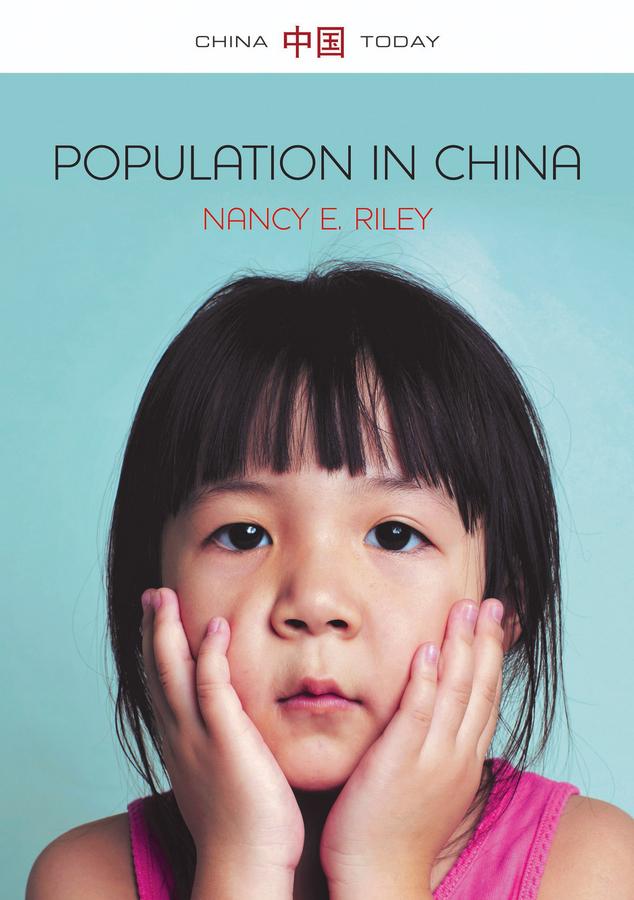
China is home to a fifth of the world�s inhabitants. For the last several decades, this huge population has been in flux: fertility has fallen sharply, mortality has declined, and massive rural-to-urban migration is taking place. The state has played a direct role in these changes, seeing population control as an important part of its intention to modernize the country.
In this insightful new work, Nancy E. Riley argues that China�s population policies and outcomes are not simply imposed by the state onto an unresponsive citizenry, but have arisen from the social organization of China over the past sixty years. Riley demonstrates how China�s population and population policy are intertwined and interact with other social and economic features. Riley also examines the unintended consequences of state directives, including the extraordinary number of �missing girls,� the rapid aging of the population, and an increase in inequality, particularly between rural and urban residents.
Ultimately, China�s demographic story has to be understood as a complex, multi-pieced phenomenon. This book will be essential reading for researchers and students of China and social demography, as well as non-specialists interested in the changing nature of China�s population.
Płać wygodnie kartą, Klarną, Apple Pay lub Google Pay. Nie jesteś zadowolony? Zawsze masz 14-dniową gwarancję zwrotu pieniędzy. Więcej przeczytasz w naszych warunkach. Masz pytania? Napisz do nas na hello@memmo.org.
Memmo ułatwia naukę – gdziekolwiek jesteś na świecie. U nas znajdziesz podręczniki i sprytne narzędzia do nauki w jednym miejscu: streszczenia, quizy, podcasty i fiszki. A do tego Ted, Twój kumpel do nauki, który odpowie na wszystko, co Cię nurtuje. Ponad 50 000 studentów już tu się uczy – stworzone, byś uczył się szybciej i mniej stresował.