
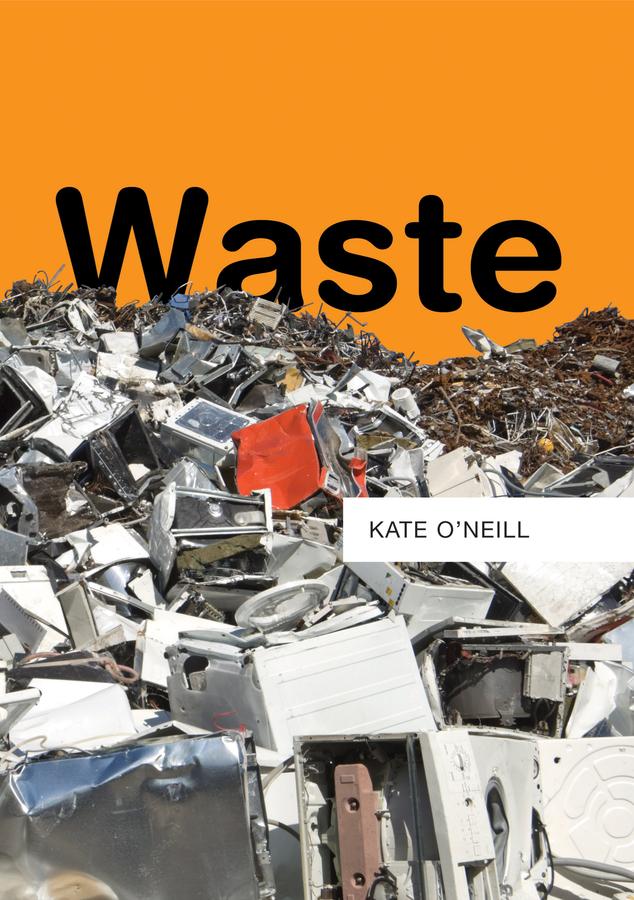
Waste is one of the planet’s last great resource frontiers. From furniture made from up-cycled wood to gold extracted from computer circuit boards, artisans and multinational corporations alike are finding ways to profit from waste while diverting materials from overcrowded landfills. Yet beyond these benefits, this “new” resource still poses serious risks to human health and the environment.
In this unique book, Kate O’Neill traces the emergence of the global political economy of wastes over the past two decades. She explains how the emergence of waste governance initiatives and mechanisms can help us deal with both the risks and the opportunities associated with the hundreds of millions – possibly billions – of tons of waste we generate each year. Drawing on a range of fascinating case studies to develop her arguments, including China’s role as the primary recipient of recyclable plastics and scrap paper from the Western world, “Zero-Waste” initiatives, the emergence of transnational waste-pickers’ alliances, and alternatives for managing growing volumes of electronic and food wastes, O’Neill shows how waste can be a risk, a resource, and even a livelihood, with implications for governance at local, national, and global levels.
Płać wygodnie kartą, Klarną, Apple Pay lub Google Pay. Nie jesteś zadowolony? Zawsze masz 14-dniową gwarancję zwrotu pieniędzy. Więcej przeczytasz w naszych warunkach. Masz pytania? Napisz do nas na hello@memmo.org.
Memmo ułatwia naukę – gdziekolwiek jesteś na świecie. U nas znajdziesz podręczniki i sprytne narzędzia do nauki w jednym miejscu: streszczenia, quizy, podcasty i fiszki. A do tego Ted, Twój kumpel do nauki, który odpowie na wszystko, co Cię nurtuje. Ponad 50 000 studentów już tu się uczy – stworzone, byś uczył się szybciej i mniej stresował.