
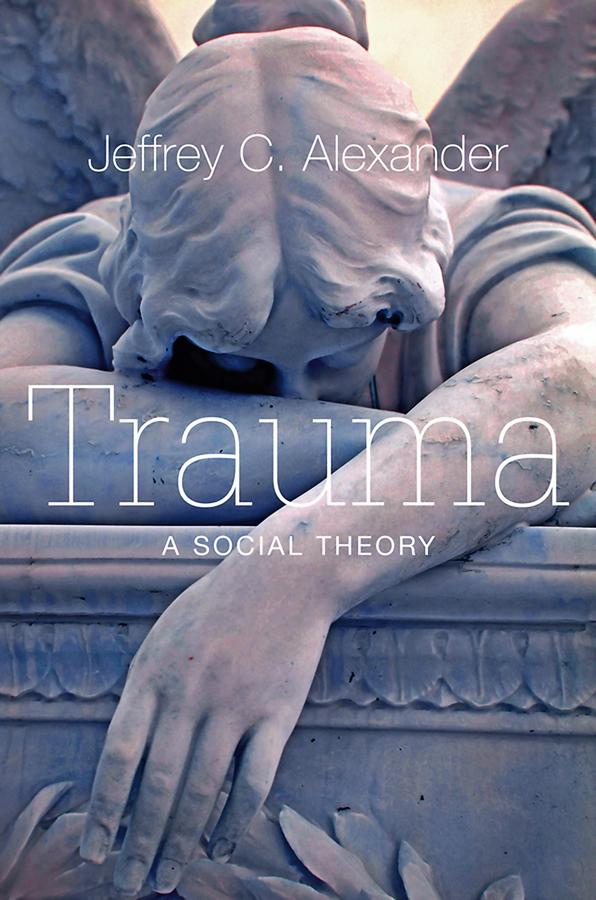
Alexander argues that traumas are not merely psychological but collective experiences, and that trauma work plays a key role in defining the origins and outcomes of critical social conflicts. He outlines a model of trauma work that relates interests of carrier groups, competing narrative identifications of victim and perpetrator, utopian and dystopian proposals for trauma resolution, the performative power of constructed events, and the distribution of organizational resources.
Alexander explores these processes in richly textured case studies of cultural-trauma origins and effects, from the universalism of the Holocaust to the particularism of the Israeli right, from postcolonial battles over the Partition of India and Pakistan to the invisibility of the Rape of Nanjing in Maoist China. In a particularly controversial chapter, Alexander describes the idealizing discourse of globalization as a trauma-response to the Cold War.
Contemporary societies have often been described as more concerned with the past than the future, more with tragedy than progress. In Trauma: A Social Theory, Alexander explains why.
Płać wygodnie kartą, Klarną, Apple Pay lub Google Pay. Nie jesteś zadowolony? Zawsze masz 14-dniową gwarancję zwrotu pieniędzy. Więcej przeczytasz w naszych warunkach. Masz pytania? Napisz do nas na hello@memmo.org.
Memmo ułatwia naukę – gdziekolwiek jesteś na świecie. U nas znajdziesz podręczniki i sprytne narzędzia do nauki w jednym miejscu: streszczenia, quizy, podcasty i fiszki. A do tego Ted, Twój kumpel do nauki, który odpowie na wszystko, co Cię nurtuje. Ponad 50 000 studentów już tu się uczy – stworzone, byś uczył się szybciej i mniej stresował.