
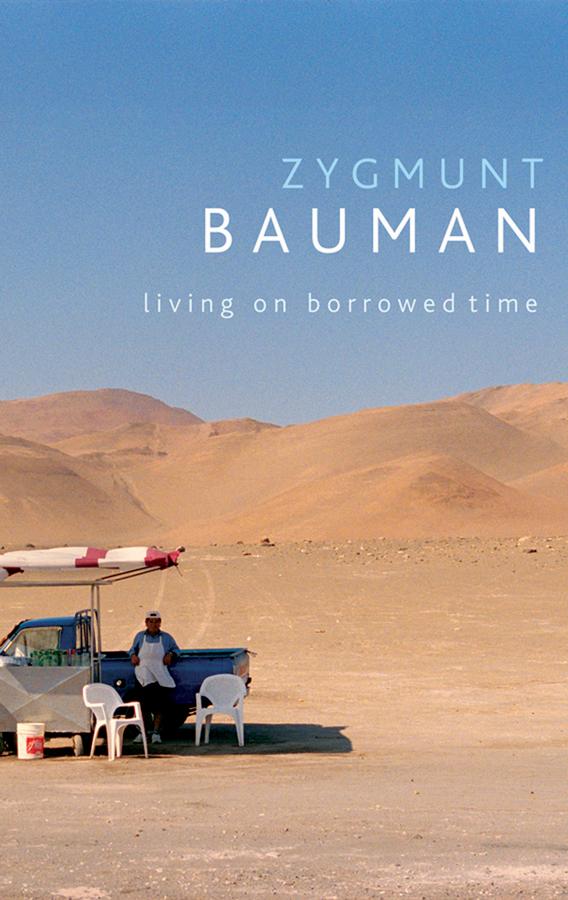
Our liquid modern world is characterized by the transition from a society of producers to a society of consumers, the natural extension of which is the society of perpetual debtors. The ruling idea of the society of consumers is to prevent needs from being satisfied and to create demand; its natural extension is to enable consumers to consume more by borrowing. Debt was transformed into a crucial profit-earning asset of capitalism in liquid modern times. The present-day 'credit crunch' is not the outcome of the banks' failure but rather the fruit of their success in transforming the majority of men and women, young and old, into a race of debtors. They got what they were looking for: a society of debtors whose condition of being in debt was made self-perpetuating, with more debts being offered, and more undertaken, as the only way of escaping from the debts already incurred.
Starting from this reflection on the current global financial crisis and prompted by the probing questions of his interlocutor, Citlali Rovirosa-Madrazo, Bauman examines in an historical perspective some of the most pressing moral and political issues of our time, from international terrorism and the rise of religious and secular fundamentalism to the decline of the nation-state and the threats posed by global warming, issues whose seriousness and urgency attest to the fact that we are living today not only on borrowed money but also on borrowed time.
Płać wygodnie kartą, Klarną, Apple Pay lub Google Pay. Nie jesteś zadowolony? Zawsze masz 14-dniową gwarancję zwrotu pieniędzy. Więcej przeczytasz w naszych warunkach. Masz pytania? Napisz do nas na hello@memmo.org.
Memmo ułatwia naukę – gdziekolwiek jesteś na świecie. U nas znajdziesz podręczniki i sprytne narzędzia do nauki w jednym miejscu: streszczenia, quizy, podcasty i fiszki. A do tego Ted, Twój kumpel do nauki, który odpowie na wszystko, co Cię nurtuje. Ponad 50 000 studentów już tu się uczy – stworzone, byś uczył się szybciej i mniej stresował.