
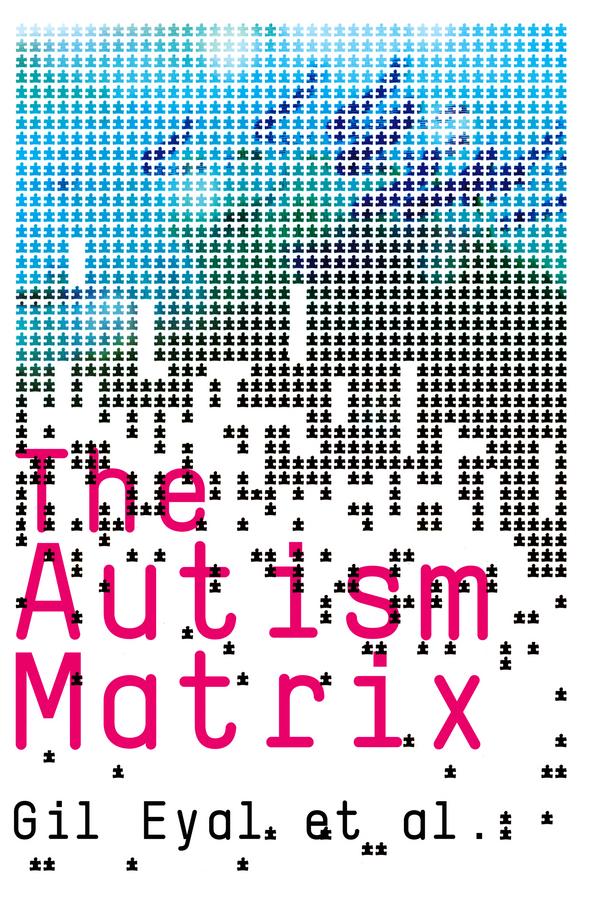
Today autism has become highly visible. Once you begin to look for it, you realize it is everywhere. Why? We all know the answer or think we do: there is an autism epidemic. And if it is an epidemic, then we know what must be done: lots of money must be thrown at it, detection centers must be established and explanations sought, so that the number of new cases can be brought down and the epidemic brought under control.
But can it really be so simple? This major new book offers a very different interpretation. The authors argue that the recent rise in autism should be understood an “aftershock” of the real earthquake, which was the deinstitutionalization of mental retardation in the mid-1970s. This entailed a radical transformation not only of the institutional matrix for dealing with developmental disorders of childhood, but also of the cultural lens through which we view them. It opened up a space for viewing and treating childhood disorders as neither mental illness nor mental retardation, neither curable nor incurable, but somewhere in-between. The authors show that where deinstitutionalization went the furthest, as in Scandinavia, UK and the “blue” states of the US, autism rates are also highest. Where it was absent or delayed, as in France, autism rates are low.
Combining a historical narrative with international comparison, The Autism Matrix offers a fresh and powerful analysis of a condition that affects many parents and children today.
But can it really be so simple? This major new book offers a very different interpretation. The authors argue that the recent rise in autism should be understood an “aftershock” of the real earthquake, which was the deinstitutionalization of mental retardation in the mid-1970s. This entailed a radical transformation not only of the institutional matrix for dealing with developmental disorders of childhood, but also of the cultural lens through which we view them. It opened up a space for viewing and treating childhood disorders as neither mental illness nor mental retardation, neither curable nor incurable, but somewhere in-between. The authors show that where deinstitutionalization went the furthest, as in Scandinavia, UK and the “blue” states of the US, autism rates are also highest. Where it was absent or delayed, as in France, autism rates are low.
Combining a historical narrative with international comparison, The Autism Matrix offers a fresh and powerful analysis of a condition that affects many parents and children today.
Płać wygodnie kartą, Klarną, Apple Pay lub Google Pay. Nie jesteś zadowolony? Zawsze masz 14-dniową gwarancję zwrotu pieniędzy. Więcej przeczytasz w naszych warunkach. Masz pytania? Napisz do nas na hello@memmo.org.
Memmo ułatwia naukę – gdziekolwiek jesteś na świecie. U nas znajdziesz podręczniki i sprytne narzędzia do nauki w jednym miejscu: streszczenia, quizy, podcasty i fiszki. A do tego Ted, Twój kumpel do nauki, który odpowie na wszystko, co Cię nurtuje. Ponad 50 000 studentów już tu się uczy – stworzone, byś uczył się szybciej i mniej stresował.
Może Ci się spodobać
Kup książkę0