
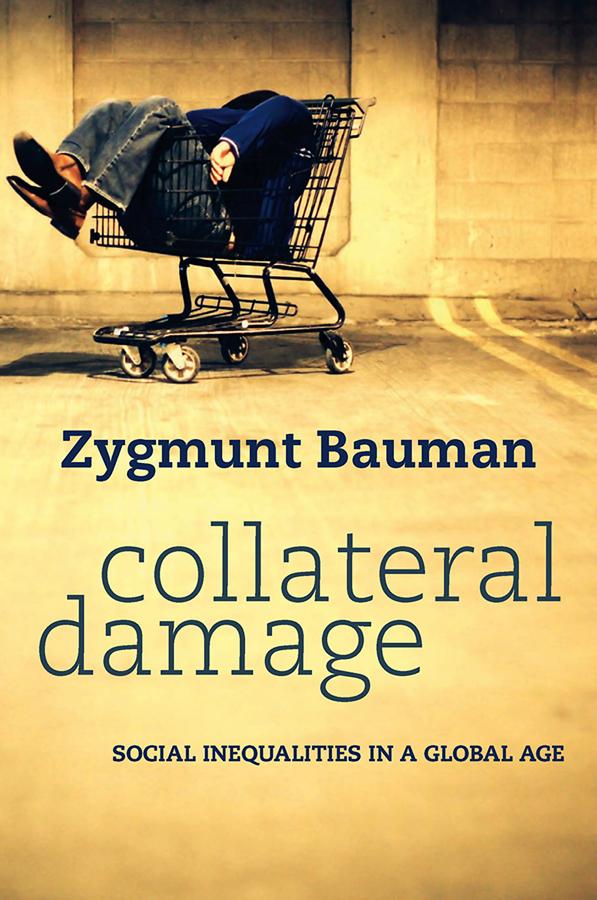
For the political class, poverty is commonly seen as a problem of law and order - a matter of how to deal with individuals, such as unemployed youths, who fall foul of the law. But treating poverty as a criminal problem obscures the social roots of inequality, which lie in the combination of a consumerist life philosophy propagated and instilled by a consumer-oriented economy, on the one hand, and the rapid shrinking of life chances available to the poor, on the other. In our contemporary, liquid-modern world, the poor are the collateral damage of a profit-driven, consumer-oriented society - ‘aliens inside' who are deprived of the rights enjoyed by other members of the social order.
In this new book Zygmunt Bauman - one of the most original and influential social thinkers of our time - examines the selective affinity between the growth of social inequality and the rise in the volume of ‘collateral damage' and considers its implications and its costs.
Płać wygodnie kartą, Klarną, Apple Pay lub Google Pay. Nie jesteś zadowolony? Zawsze masz 14-dniową gwarancję zwrotu pieniędzy. Więcej przeczytasz w naszych warunkach. Masz pytania? Napisz do nas na hello@memmo.org.
Memmo ułatwia naukę – gdziekolwiek jesteś na świecie. U nas znajdziesz podręczniki i sprytne narzędzia do nauki w jednym miejscu: streszczenia, quizy, podcasty i fiszki. A do tego Ted, Twój kumpel do nauki, który odpowie na wszystko, co Cię nurtuje. Ponad 50 000 studentów już tu się uczy – stworzone, byś uczył się szybciej i mniej stresował.