
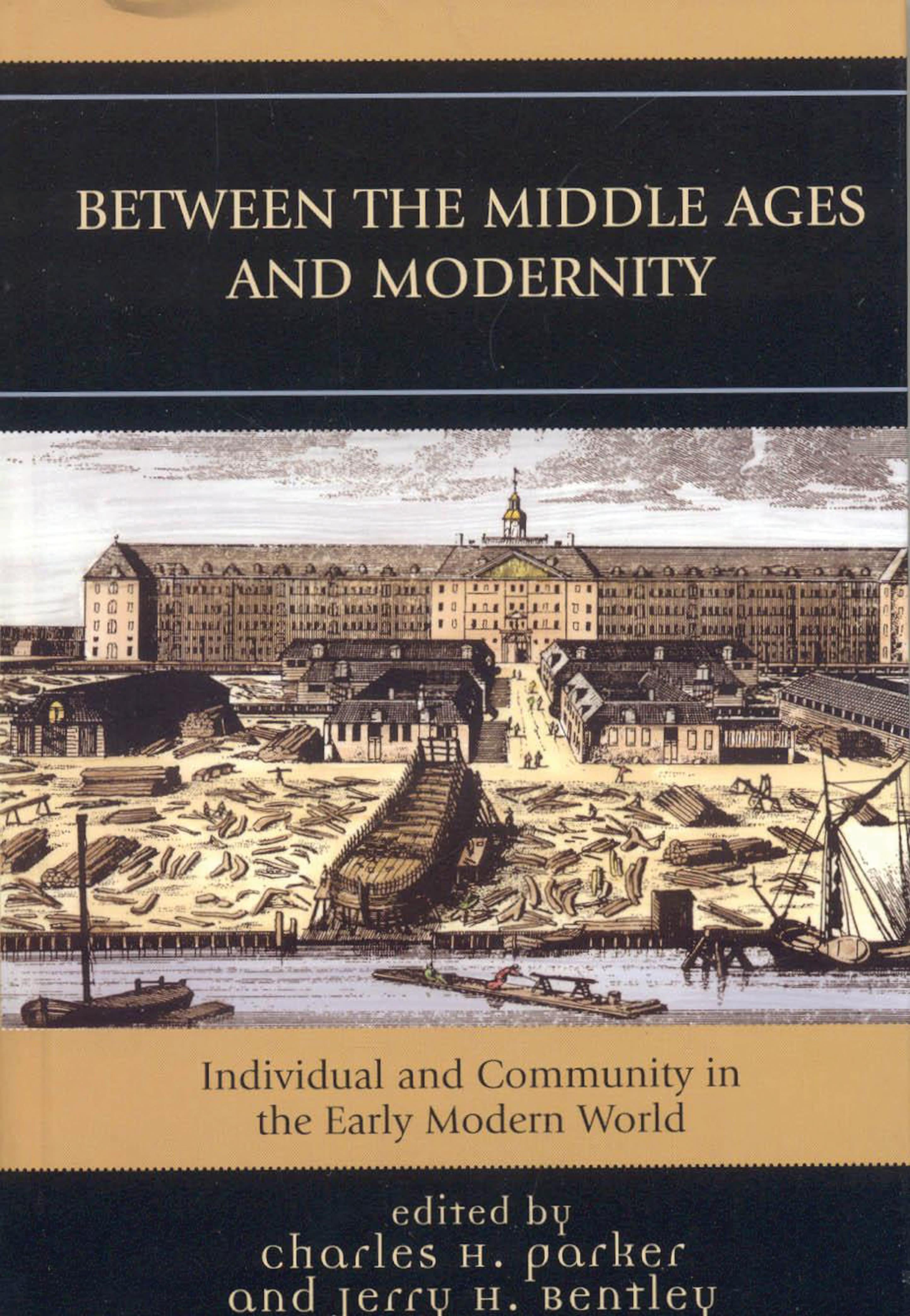
This groundbreaking book examines the complex relationships between individuals and communities during the profound transitions of the early modern period. Historians have traditionally identified the origins of a modern individualist spirit in the European Renaissance and Reformation. Yet since the 1960s, evolving scholarship has challenged this perspective by calling into question its basic assumptions about individualism, its exclusive focus on elite individuals, and its inherent Eurocentric bias. Arguing that individual identity drew from traditional forms of community, these essays by leading scholars convincingly show that individual and community created and recreated one another in the major structures, interactions, and transitions of early modern times. The authors contend that on the one hand, communities provided the stability that allowed for individual agency, even as they imposed new forms of discipline that confined individuals to more rigid moral and social norms. On the other hand, individuals established forms of association to advance their own economic, social, political, and religious agendas. Offering an important contribution to our understanding both of the early modern period and of its historiography, this volume will be an invaluable resource for scholars working in the fields of medieval, early modern, and modern history, and on the Renaissance and Reformation.
Contributions by: Jerry H. Bentley, Thomas A. Brady Jr., Douglas Catterall, Donald J. Harreld, Susan C. Karant-Nunn, Marie Seong-Hak Kim, Henk van Nierop, Charles H. Parker, Michael N. Pearson, Carla Rahn Phillips, William D. Phillips Jr., Elizabeth Bradbury Pollnow, Kathryn L. Reyerson, Hugo de Schepper, Ulrike Strasser, Sanjay Subrahmanyam, and Markus P. M. Vink
Contributions by: Jerry H. Bentley, Thomas A. Brady Jr., Douglas Catterall, Donald J. Harreld, Susan C. Karant-Nunn, Marie Seong-Hak Kim, Henk van Nierop, Charles H. Parker, Michael N. Pearson, Carla Rahn Phillips, William D. Phillips Jr., Elizabeth Bradbury Pollnow, Kathryn L. Reyerson, Hugo de Schepper, Ulrike Strasser, Sanjay Subrahmanyam, and Markus P. M. Vink
Płać wygodnie kartą, Klarną, Apple Pay lub Google Pay. Nie jesteś zadowolony? Zawsze masz 14-dniową gwarancję zwrotu pieniędzy. Więcej przeczytasz w naszych warunkach. Masz pytania? Napisz do nas na hello@memmo.org.
Memmo ułatwia naukę – gdziekolwiek jesteś na świecie. U nas znajdziesz podręczniki i sprytne narzędzia do nauki w jednym miejscu: streszczenia, quizy, podcasty i fiszki. A do tego Ted, Twój kumpel do nauki, który odpowie na wszystko, co Cię nurtuje. Ponad 50 000 studentów już tu się uczy – stworzone, byś uczył się szybciej i mniej stresował.