
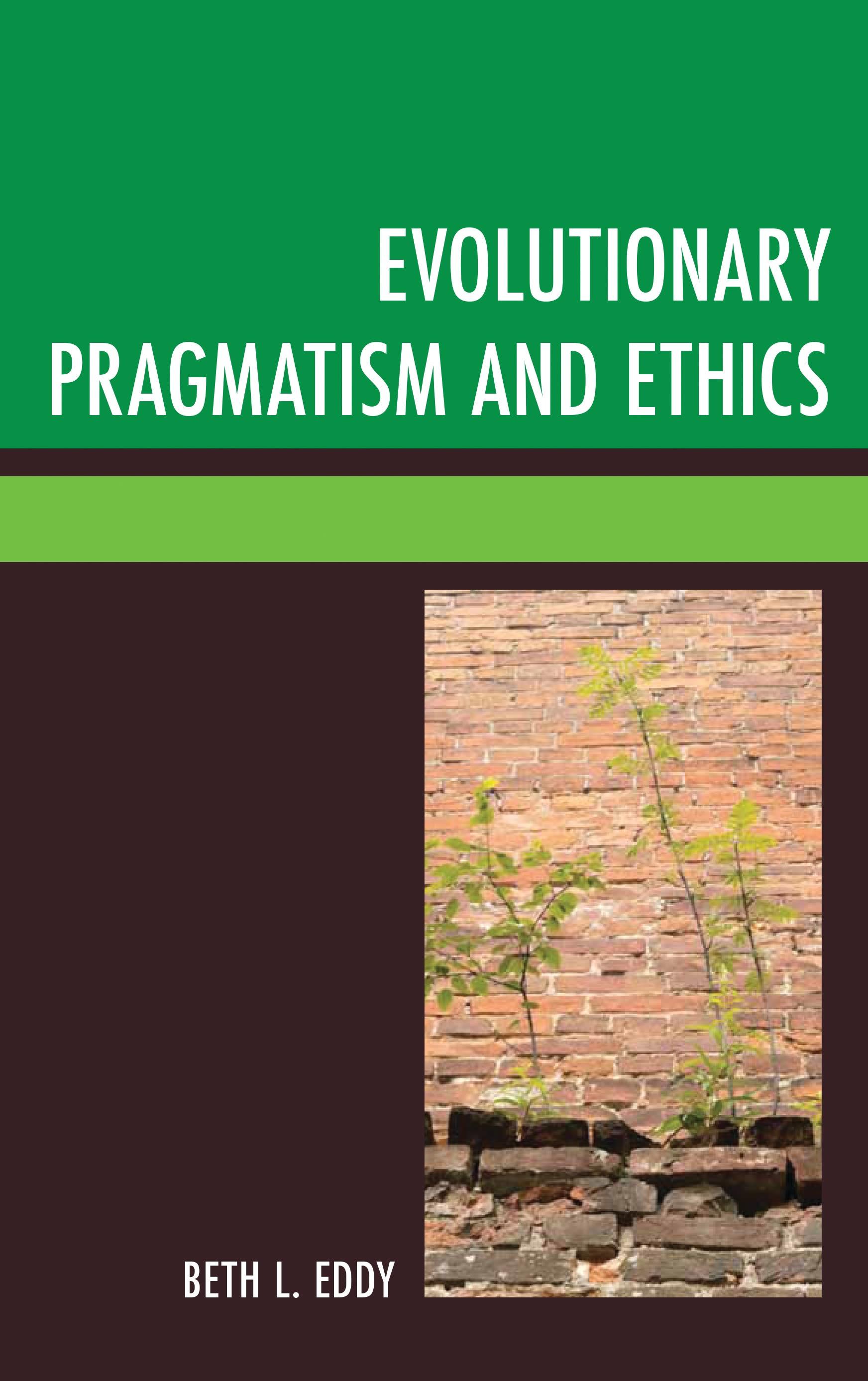
In the late nineteenth century, culture critics who were readers of Darwin’s work on evolution pondered what the implications of natural selection might be for human culture, religion and ethics. American pragmatists, by and large, rejected a social Darwinian spin on ethics, economics, and theology in favor of a less determinate humanist version of the ethical implications that emphasized contingency and meliorism. The early arguments between T. H. Huxley and William Sumner over the issues mirrors the contemporary arguments between Stephen Jay Gould and others against “the New Atheists’” determinate interpretation of cultural implications which largely echo the social Darwinists’ position but in the current language of sociobiology. The work of pragmatists such as William James, George Santayana, Jane Addams, and John Dewey detail an evolutionary perspective that rejects the moral implications of social Darwinism.
Płać wygodnie kartą, Klarną, Apple Pay lub Google Pay. Nie jesteś zadowolony? Zawsze masz 14-dniową gwarancję zwrotu pieniędzy. Więcej przeczytasz w naszych warunkach. Masz pytania? Napisz do nas na hello@memmo.org.
Memmo ułatwia naukę – gdziekolwiek jesteś na świecie. U nas znajdziesz podręczniki i sprytne narzędzia do nauki w jednym miejscu: streszczenia, quizy, podcasty i fiszki. A do tego Ted, Twój kumpel do nauki, który odpowie na wszystko, co Cię nurtuje. Ponad 50 000 studentów już tu się uczy – stworzone, byś uczył się szybciej i mniej stresował.