
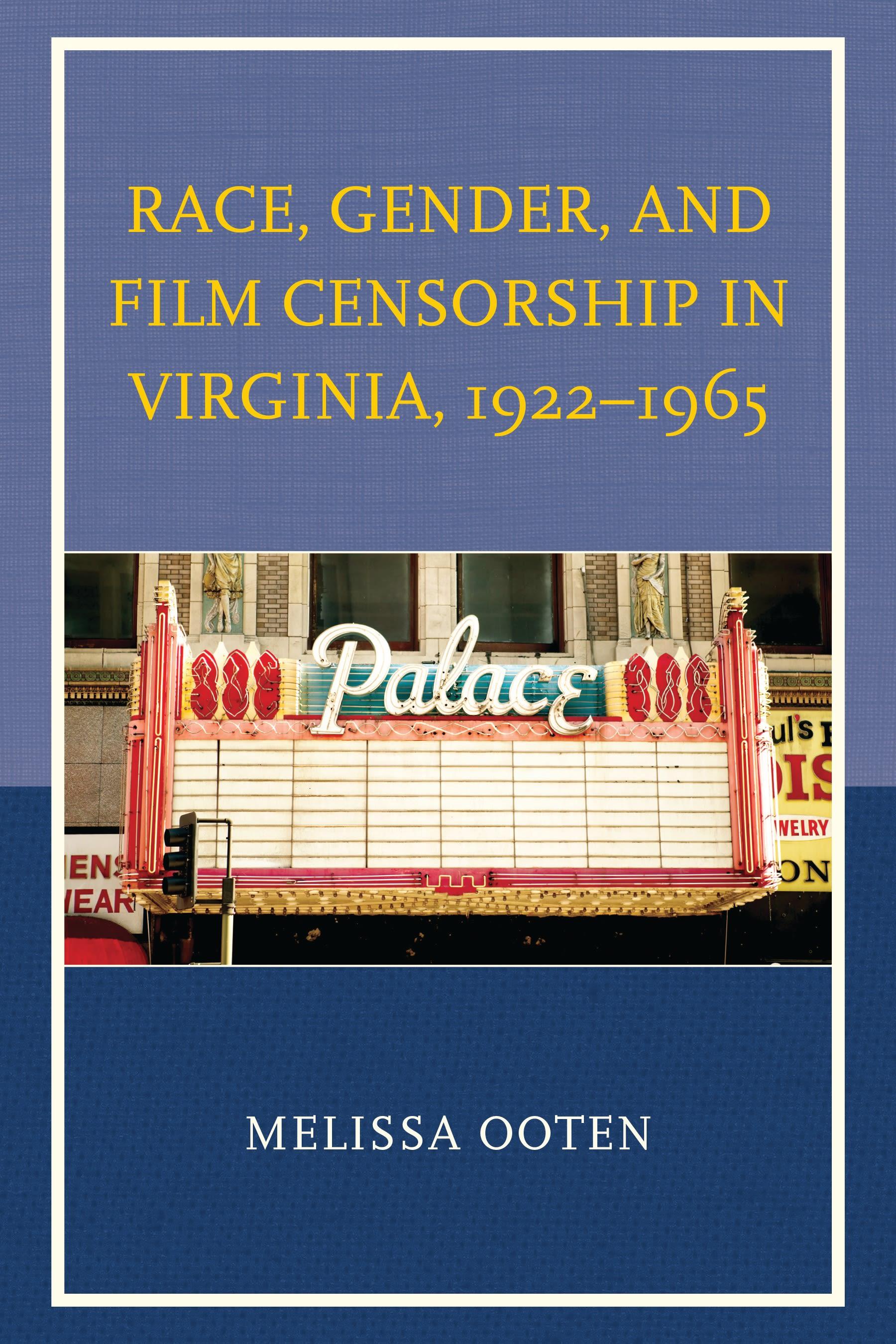
This book chronicles the history of movie censorship in Virginia from the 1920s to 1960s. At its most basic level, it analyzes the project of state film censorship in Virginia. It uses the contestations surrounding film censorship as a framework for more fully understanding the dominant political, economic, and cultural hierarchies that structured Virginia and much of the New South in the mid-twentieth century and ways in which citizens contested these prevailing structures. This study highlights the centrality of gendered and racialized discourses in the debates over the movies and the broader regulatory power of the state. It particularly emphasizes ways in which issues of race, class, gender, and sexuality framed debates over popular culture in the South. It ties the regulation of racial and sexual boundaries in other areas such as public facilities, schools, public transportation, the voting booth, and residential housing to ways in which censors regulated those same boundaries in popular culture.
This book shows how the same racialized and gendered social norms and legal codes that placed audience members in different theater spaces also informed ways in which what they viewed on-screen had been mediated by state officials. Ultimately, this study shows how Virginia’s officials attempted to use the project of film censorship as the cultural arm of regulation to further buttress the state’s political and economic hierarchies of the time period and the ways in various citizens and community groups supported and challenged these hierarchies across the censorship board’s forty-three-year history.
This book shows how the same racialized and gendered social norms and legal codes that placed audience members in different theater spaces also informed ways in which what they viewed on-screen had been mediated by state officials. Ultimately, this study shows how Virginia’s officials attempted to use the project of film censorship as the cultural arm of regulation to further buttress the state’s political and economic hierarchies of the time period and the ways in various citizens and community groups supported and challenged these hierarchies across the censorship board’s forty-three-year history.
Płać wygodnie kartą, Klarną, Apple Pay lub Google Pay. Nie jesteś zadowolony? Zawsze masz 14-dniową gwarancję zwrotu pieniędzy. Więcej przeczytasz w naszych warunkach. Masz pytania? Napisz do nas na hello@memmo.org.
Memmo ułatwia naukę – gdziekolwiek jesteś na świecie. U nas znajdziesz podręczniki i sprytne narzędzia do nauki w jednym miejscu: streszczenia, quizy, podcasty i fiszki. A do tego Ted, Twój kumpel do nauki, który odpowie na wszystko, co Cię nurtuje. Ponad 50 000 studentów już tu się uczy – stworzone, byś uczył się szybciej i mniej stresował.