
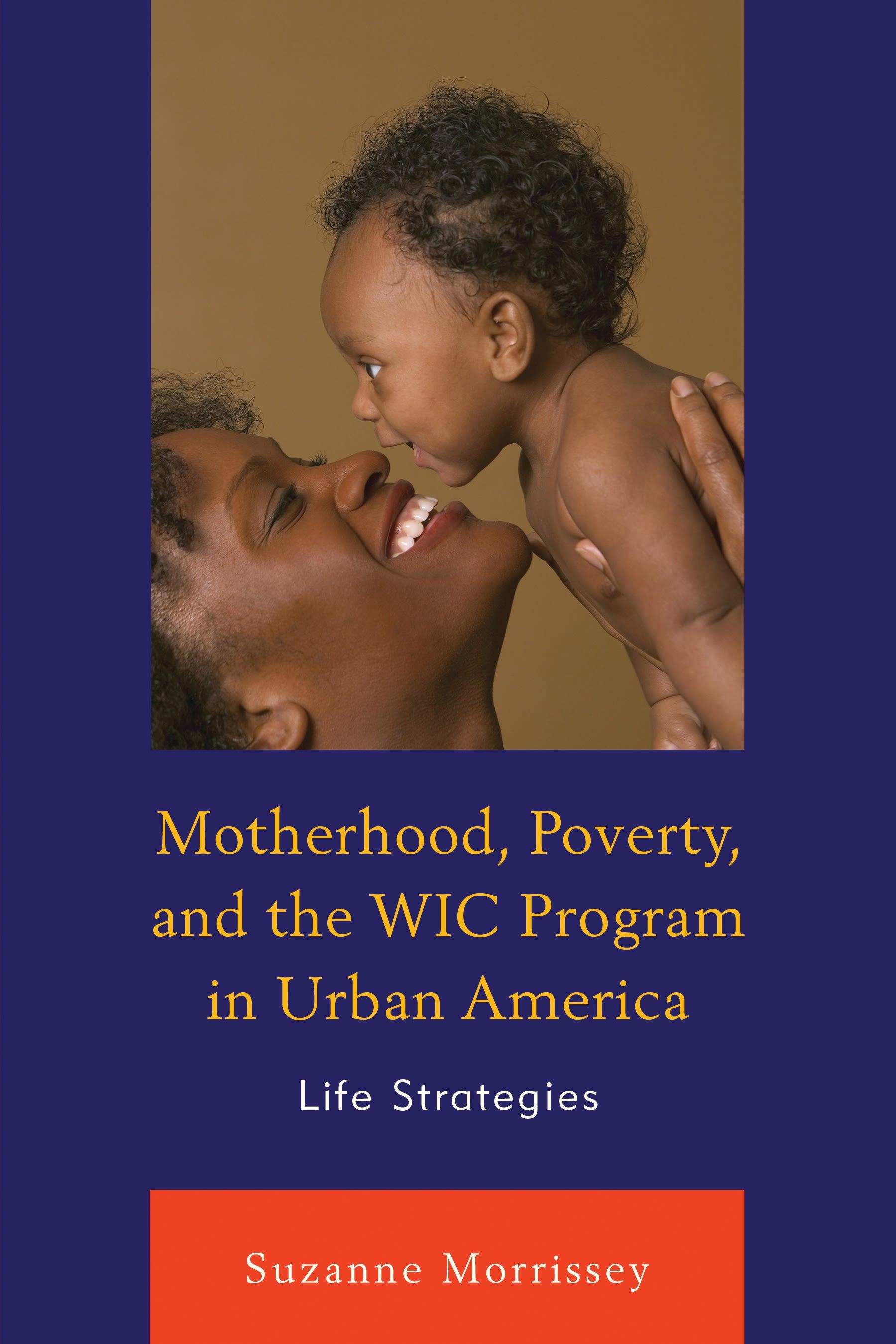
The study presented here is one of urban poverty, household survival, and social institutions that both enable and control the decision-making of poor women in America. First and foremost, it is about a public health program, the Special Supplemental Nutrition Program for Women, Infants, and Children, known more commonly as WIC, and how the institution re-inscribes persistent stereotypes of the urban poor on the women it eagerly wishes to serve. Despite encountering opposition and occasionally humiliation at the hands of those chosen to serve, many low-income women throughout the United States and Puerto Rico return to WIC every month because it represents a rite of passage that characterizes pregnancy. Enrolling in WIC prenatally signifies to others the importance of providing for one’s family in spite of socioeconomic disadvantage. Yet whether women access WIC benefits or not, their lived realities include a painful and enduring connection between urban poverty and health inequalities, particularly inequalities leading to poor birth outcomes and infant mortality, as explored in this urban ethnography.
Płać wygodnie kartą, Klarną, Apple Pay lub Google Pay. Nie jesteś zadowolony? Zawsze masz 14-dniową gwarancję zwrotu pieniędzy. Więcej przeczytasz w naszych warunkach. Masz pytania? Napisz do nas na hello@memmo.org.
Memmo ułatwia naukę – gdziekolwiek jesteś na świecie. U nas znajdziesz podręczniki i sprytne narzędzia do nauki w jednym miejscu: streszczenia, quizy, podcasty i fiszki. A do tego Ted, Twój kumpel do nauki, który odpowie na wszystko, co Cię nurtuje. Ponad 50 000 studentów już tu się uczy – stworzone, byś uczył się szybciej i mniej stresował.