
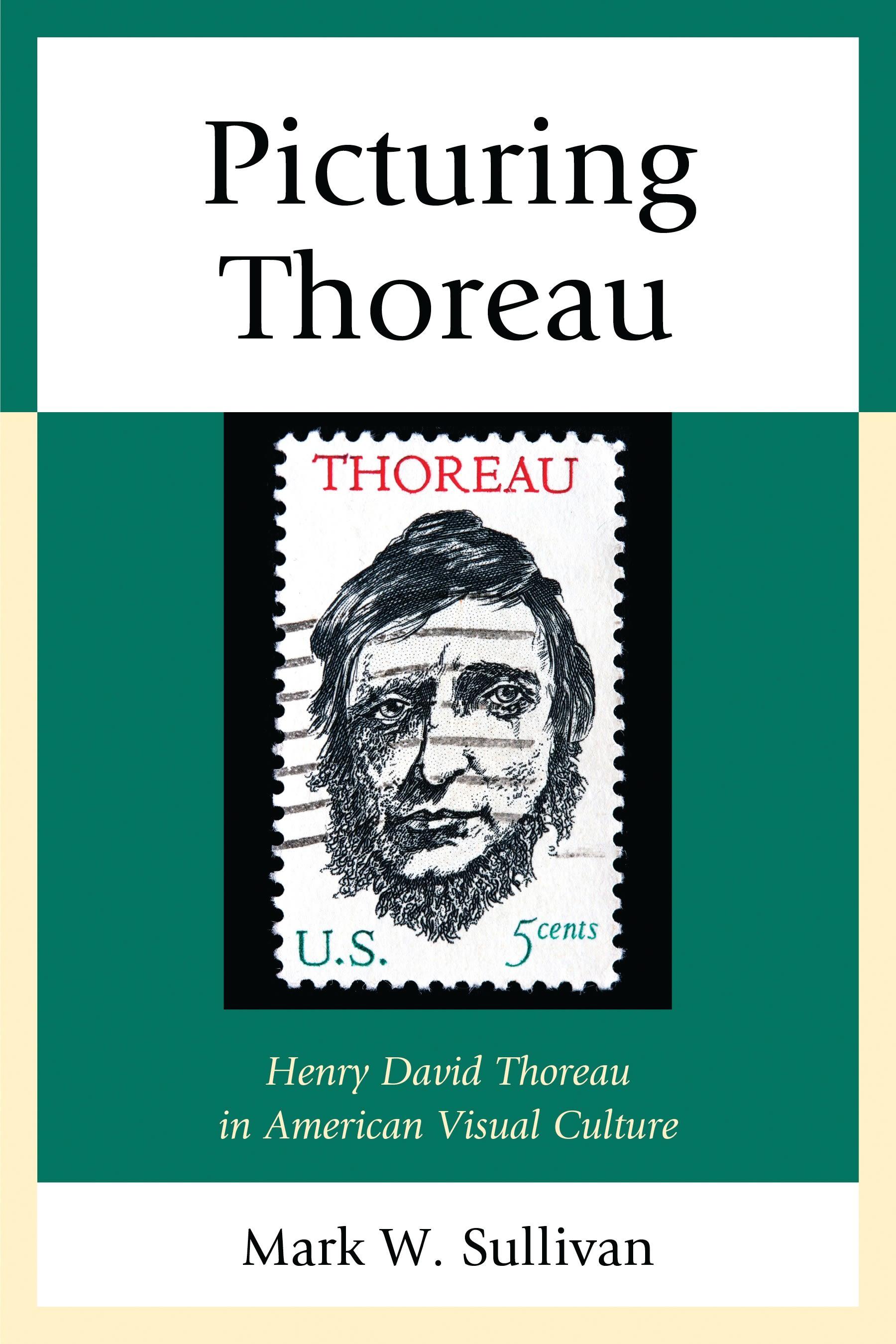
As we approach the bicentennial, in 2017, of the birth of Henry David Thoreau, there is considerable debate and confusion as to what he may, or may not have, contributed to American life and culture. Almost every American has heard of Thoreau, but only a few are aware that he was deeply engaged with most of the important issues of his day, from slavery to “Manifest Destiny” and the rights of the individual in a democratic society. Many of these issues are still affecting us today, as we move toward the second quarter of the twenty-first century. By studying how various American artists have chosen to portray Thoreauover the years since the publication of Walden in 1854, we can gain a clear understanding of how he has been interpreted (or misinterpreted) throughout the years since his death in 1862. But along the way, we might also find something useful, for our times, in the insights that Thoreau gained as he wrestled with the most urgent problems being experienced by American society in his day.
Płać wygodnie kartą, Klarną, Apple Pay lub Google Pay. Nie jesteś zadowolony? Zawsze masz 14-dniową gwarancję zwrotu pieniędzy. Więcej przeczytasz w naszych warunkach. Masz pytania? Napisz do nas na hello@memmo.org.
Memmo ułatwia naukę – gdziekolwiek jesteś na świecie. U nas znajdziesz podręczniki i sprytne narzędzia do nauki w jednym miejscu: streszczenia, quizy, podcasty i fiszki. A do tego Ted, Twój kumpel do nauki, który odpowie na wszystko, co Cię nurtuje. Ponad 50 000 studentów już tu się uczy – stworzone, byś uczył się szybciej i mniej stresował.