
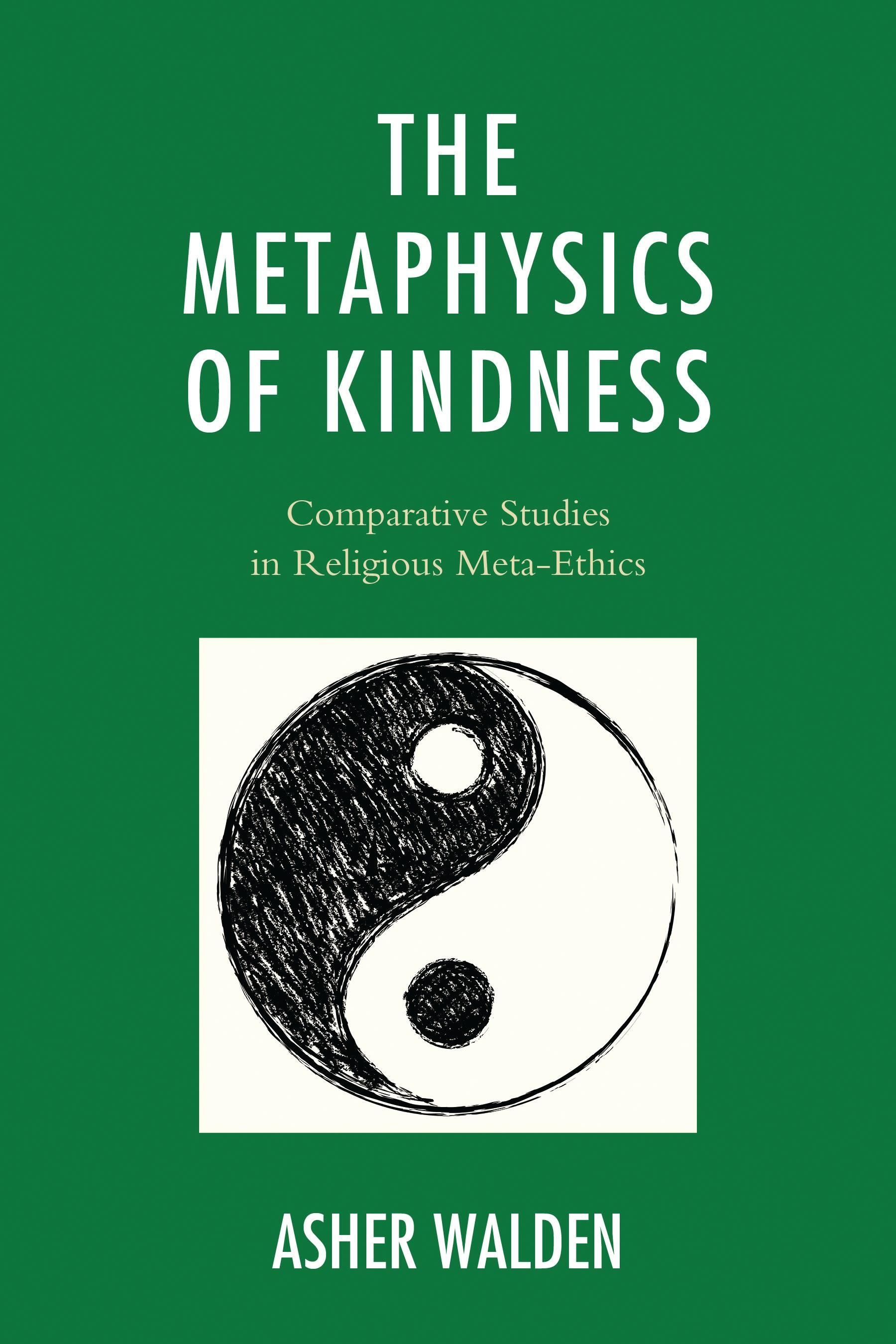
Religious world-views reserve a central and prominent place for human moral action, yet they must also contend with the reality of human moral failings. Is it possible to anchor moral knowledge and practice in the framework of a moral universe? If so, how do you explain why things go wrong? Must the religions appeal to faith alone, or can they develop a rational framework for their moral visions?
The Metaphysics of Kindness: Comparative Studies in Religious Meta-ethics explores the attempted solutions of four pivotal philosophers from very different traditions: the Neo-Confucian Zhu Xi, the German Idealist Arthur Schopenhauer, the Mahayana Buddhist Santideva, and the progenitor of the Kyoto School, Nishida Kitaro. Each position is investigated sympathetically and independently, yet there is an underlying commonality weaving the different studies together: compassion. Each philosopher treats compassion not only as one virtue among others, but as a kind of meta-virtue, the one that is in some respect the logical and/or psychological basis for all the other virtues. It is also a trait that is both at the heart of human nature, and also somehow at the heart of nature itself.
The Metaphysics of Kindness: Comparative Studies in Religious Meta-ethics explores the attempted solutions of four pivotal philosophers from very different traditions: the Neo-Confucian Zhu Xi, the German Idealist Arthur Schopenhauer, the Mahayana Buddhist Santideva, and the progenitor of the Kyoto School, Nishida Kitaro. Each position is investigated sympathetically and independently, yet there is an underlying commonality weaving the different studies together: compassion. Each philosopher treats compassion not only as one virtue among others, but as a kind of meta-virtue, the one that is in some respect the logical and/or psychological basis for all the other virtues. It is also a trait that is both at the heart of human nature, and also somehow at the heart of nature itself.
Płać wygodnie kartą, Klarną, Apple Pay lub Google Pay. Nie jesteś zadowolony? Zawsze masz 14-dniową gwarancję zwrotu pieniędzy. Więcej przeczytasz w naszych warunkach. Masz pytania? Napisz do nas na hello@memmo.org.
Memmo ułatwia naukę – gdziekolwiek jesteś na świecie. U nas znajdziesz podręczniki i sprytne narzędzia do nauki w jednym miejscu: streszczenia, quizy, podcasty i fiszki. A do tego Ted, Twój kumpel do nauki, który odpowie na wszystko, co Cię nurtuje. Ponad 50 000 studentów już tu się uczy – stworzone, byś uczył się szybciej i mniej stresował.