
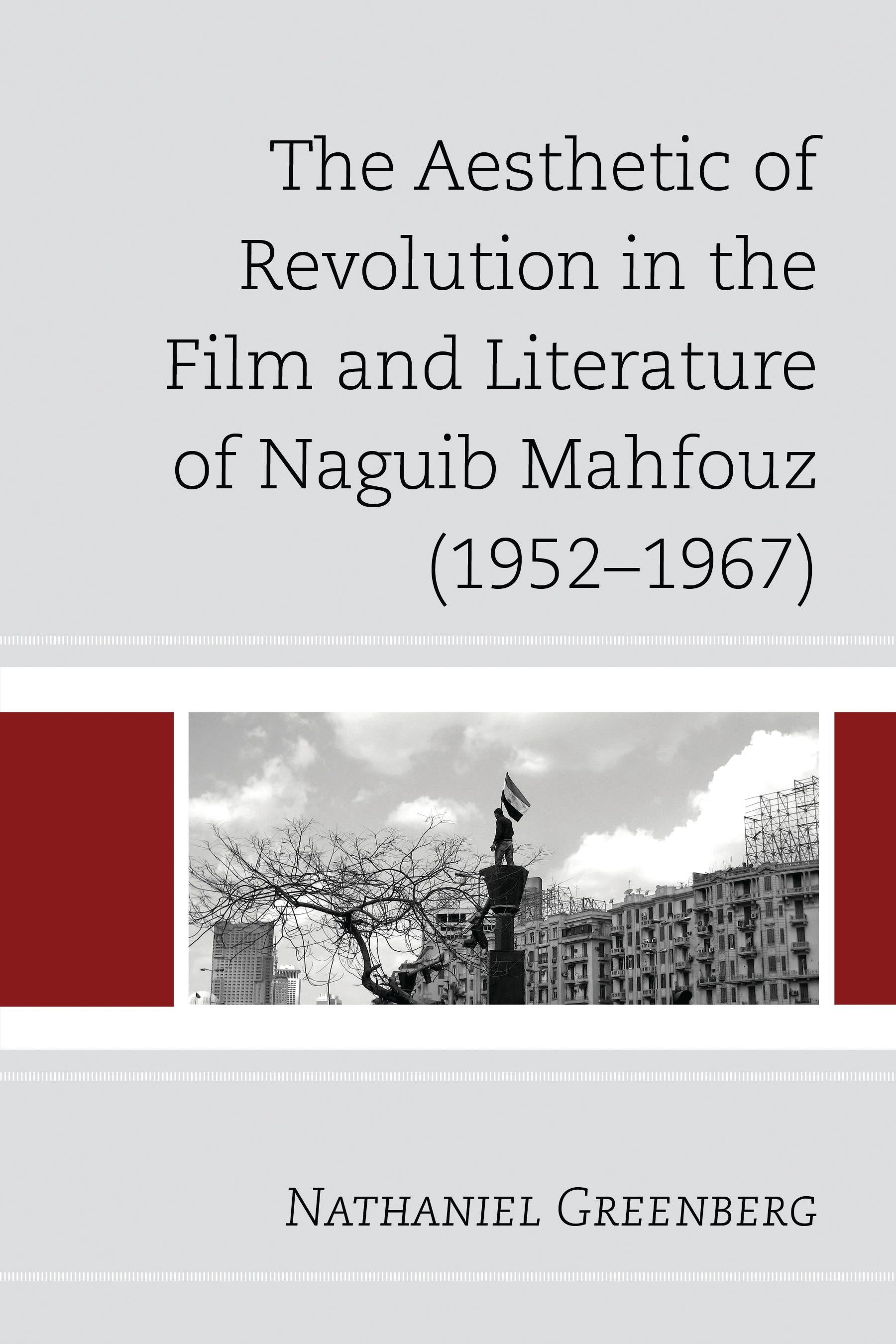
In the wake of the 1952 Revolution, Egypt’s future Nobel laureate in literature devoted himself exclusively to writing for film. The Aesthetic of Revolution in the Film and Literature of Naguib Mahfouz is the first full-length study in English to examine this critical period in the author’s career and to contextualize it within the scope of post-revolutionary Egyptian politics and culture. Before returning to literature in 1959 with his post-revolutionary masterpiece Children of the Alley, Mahfouz wrote or co-wrote some twenty odd scripts, many of them among the most successful in Egyptian history. He did so at a time when film was the country’s second largest export commodity after cotton and the domestic film industry in Egypt the fourth largest in the world. Artistically, his screenplays channeled the ideology of the revolution, often raising themes of oppression and liberation, and almost always within a storyline of criminal transgression. But as he discussed in later articles and interviews, the capacity for film to enumerate the flow of life—through montage, jump cuts, lighting, and close ups—helped him to develop a darker, faster, and more complex vision of society. This technological revolution was followed by a literary one in the 1960s, a time when Mahfouz would generate through a series of short, trenchant, and often comedic novellas, a deeply measured meditation on the experience of collective upheaval and the interpersonal impact of political transformation.
Płać wygodnie kartą, Klarną, Apple Pay lub Google Pay. Nie jesteś zadowolony? Zawsze masz 14-dniową gwarancję zwrotu pieniędzy. Więcej przeczytasz w naszych warunkach. Masz pytania? Napisz do nas na hello@memmo.org.
Memmo ułatwia naukę – gdziekolwiek jesteś na świecie. U nas znajdziesz podręczniki i sprytne narzędzia do nauki w jednym miejscu: streszczenia, quizy, podcasty i fiszki. A do tego Ted, Twój kumpel do nauki, który odpowie na wszystko, co Cię nurtuje. Ponad 50 000 studentów już tu się uczy – stworzone, byś uczył się szybciej i mniej stresował.