
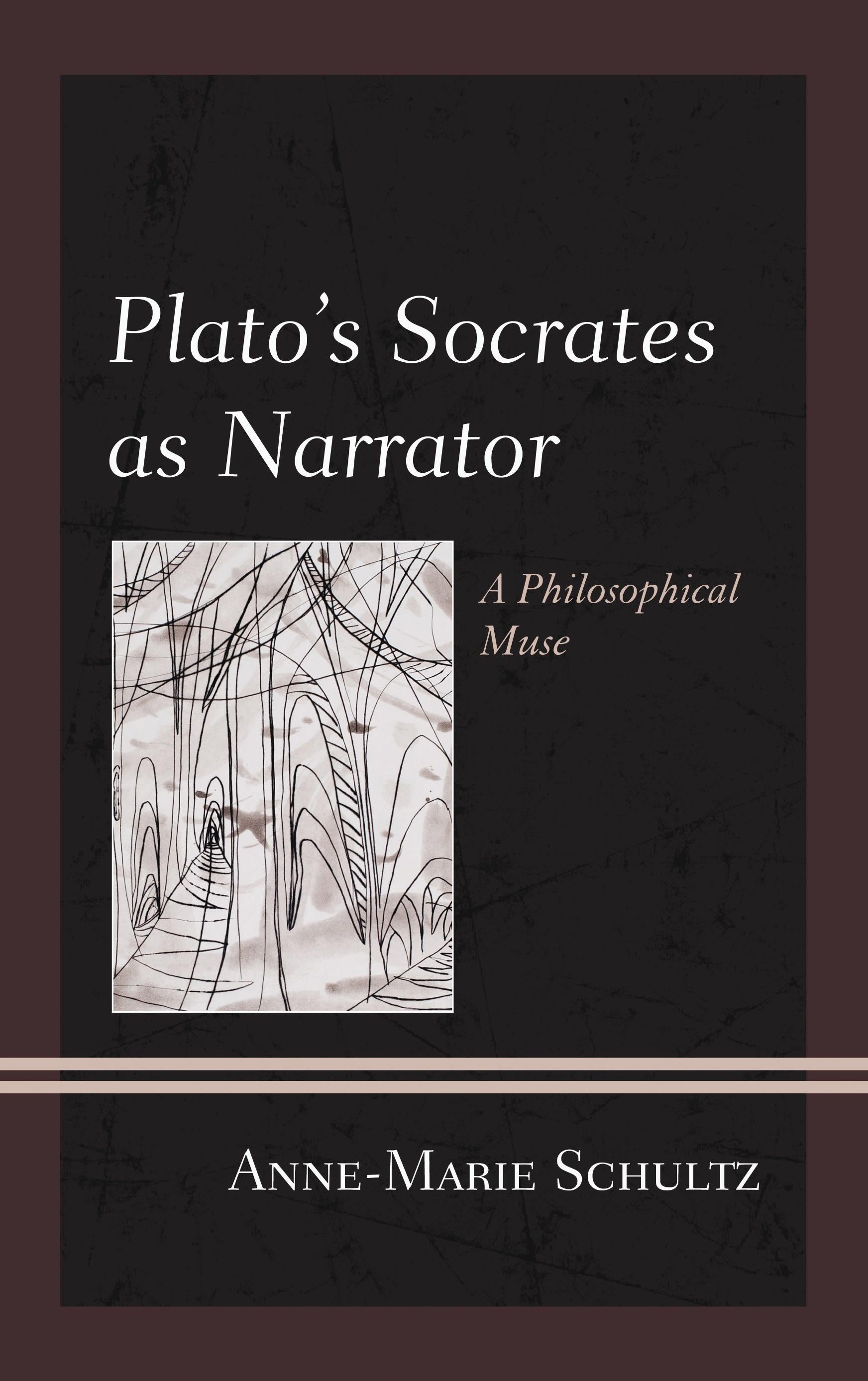
This book explores Socrates’ role as narrator of the Lysis, Charmides, Protagoras, Euthydemus, and Republic. New insights about each dialogue emerge through careful attention to Socrates’ narrative commentary. These insights include a re-reading of the aporetic ending of the Lysis, a view of philosophy as a means of overcoming tyranny in the Charmides, a reconsideration of virtue in the Protagoras, an enhanced understanding of Crito in the Euthydemus, and an uncovering of two models of virtue cultivation (self-mastery and harmony) in the Republic. This book presents Socrates’ narrative commentary as a mechanism that illustrates how the emotions shape Socrates’ self-understanding, his philosophical exchanges with others, and his view of the Good. As a result, this book challenges the dominant interpretation of Socrates as an intellectualist. It offers a holistic vision of the practice of philosophy that we would do well to embrace in our contemporary world.
Płać wygodnie kartą, Klarną, Apple Pay lub Google Pay. Nie jesteś zadowolony? Zawsze masz 14-dniową gwarancję zwrotu pieniędzy. Więcej przeczytasz w naszych warunkach. Masz pytania? Napisz do nas na hello@memmo.org.
Memmo ułatwia naukę – gdziekolwiek jesteś na świecie. U nas znajdziesz podręczniki i sprytne narzędzia do nauki w jednym miejscu: streszczenia, quizy, podcasty i fiszki. A do tego Ted, Twój kumpel do nauki, który odpowie na wszystko, co Cię nurtuje. Ponad 50 000 studentów już tu się uczy – stworzone, byś uczył się szybciej i mniej stresował.