
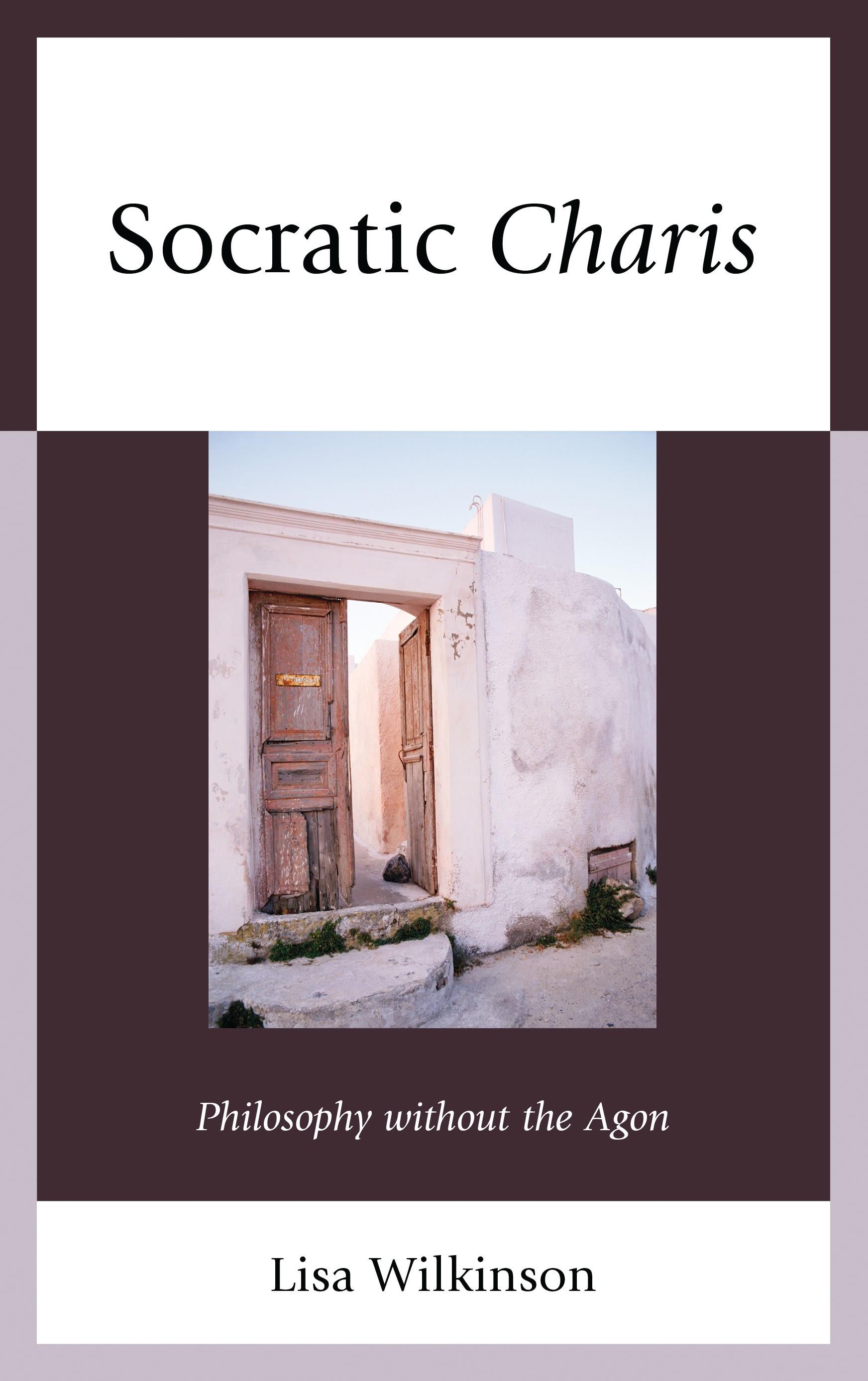
This book explores the possibility that Plato’s philosophia is influenced by non-agonal practices and values that historically and philosophically antedate the agonal practices of the Athenian ekklesia. The author surveys literature concerning the predominance of agonal in ancient Greek culture, the values associated with oral poetic performance as a religious practice, and the ubiquitous character of the gift practice known as xenia in the ancient world. The author compares the structure of the agon to the structure of other ancient practices, and reasons that while agonistic practices are oppositional and binary, poetic and social practices are narrative and plural and exemplify, alternative to the agonal, the value of charis—grace. Reading Socratic speech and Socratic inquiry in terms of charis illuminates the narrative structure of Plato’s portrayal of Socrates and precludes one-dimensional analyses of Plato’s writings as philosophically agonistic and demonstrative. Rather the value of Socratic charis illustrates the value of genuine dialogue, and the author suggests how revaluing Socratic dialogue in light of charis can be relevant to current thinking about philosophy, politics, and the agon.
Płać wygodnie kartą, Klarną, Apple Pay lub Google Pay. Nie jesteś zadowolony? Zawsze masz 14-dniową gwarancję zwrotu pieniędzy. Więcej przeczytasz w naszych warunkach. Masz pytania? Napisz do nas na hello@memmo.org.
Memmo ułatwia naukę – gdziekolwiek jesteś na świecie. U nas znajdziesz podręczniki i sprytne narzędzia do nauki w jednym miejscu: streszczenia, quizy, podcasty i fiszki. A do tego Ted, Twój kumpel do nauki, który odpowie na wszystko, co Cię nurtuje. Ponad 50 000 studentów już tu się uczy – stworzone, byś uczył się szybciej i mniej stresował.