
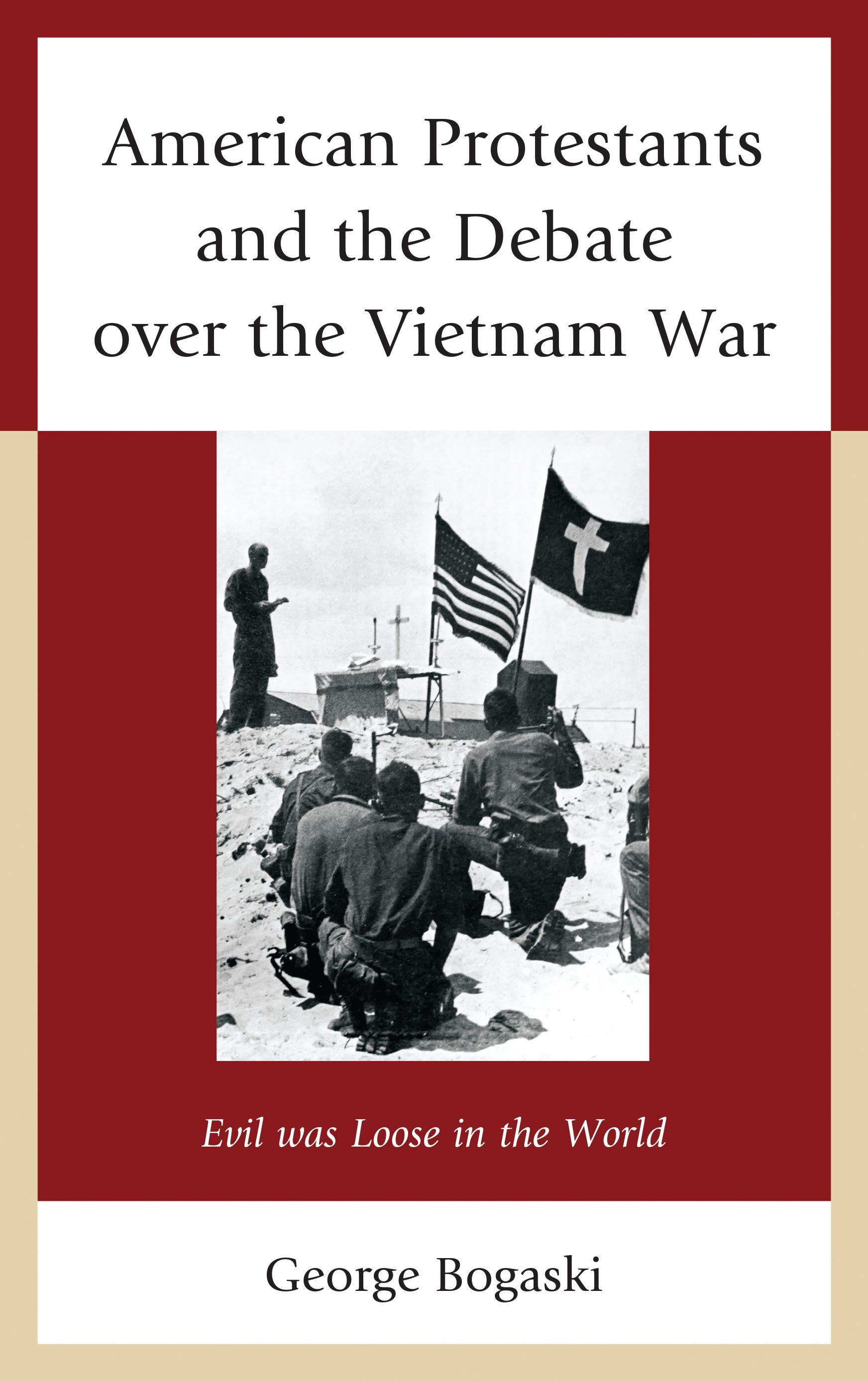
As American soldiers fought overseas in Vietnam, American churchmen debated the legitimacy and impact of the war at home. While the justness of the war was the primary issue, they also argued over conscientious objection, the legitimacy of protests, the weapons of war, and other related topics. Divided into three primary groups—mainline, conservative evangelical, and African American—and including fourteen denominations, this book uses the churchmen’s publications and proceedings to better understand how American religion responded to and was impacted by the Vietnam War.
In the various debates, churchmen brought their theological convictions and reading of the Bible to bear on their political perspectives. Convictions about sin, the nature of man, the fate of the world, violence and benevolence had direct impact upon the foreign policy perspectives of these churches. Rather than result in static political positions, these convictions adapted as the nature of the war and the likelihood of American success changed over time.
The positions taken by American denominations brought about attitudes of support, opposition, and ambivalence toward the war, but also impacted the vibrancy of many churches. Some groups were rent asunder by the fractious, debilitating debate. Other churches, due to their greater ideological clarity and unanimity, saw the war provide an impetus for growth. Regardless of the individual consequences, the debate over the Vietnam War provides a concrete study of the intersection of religion and politics.
In the various debates, churchmen brought their theological convictions and reading of the Bible to bear on their political perspectives. Convictions about sin, the nature of man, the fate of the world, violence and benevolence had direct impact upon the foreign policy perspectives of these churches. Rather than result in static political positions, these convictions adapted as the nature of the war and the likelihood of American success changed over time.
The positions taken by American denominations brought about attitudes of support, opposition, and ambivalence toward the war, but also impacted the vibrancy of many churches. Some groups were rent asunder by the fractious, debilitating debate. Other churches, due to their greater ideological clarity and unanimity, saw the war provide an impetus for growth. Regardless of the individual consequences, the debate over the Vietnam War provides a concrete study of the intersection of religion and politics.
Płać wygodnie kartą, Klarną, Apple Pay lub Google Pay. Nie jesteś zadowolony? Zawsze masz 14-dniową gwarancję zwrotu pieniędzy. Więcej przeczytasz w naszych warunkach. Masz pytania? Napisz do nas na hello@memmo.org.
Memmo ułatwia naukę – gdziekolwiek jesteś na świecie. U nas znajdziesz podręczniki i sprytne narzędzia do nauki w jednym miejscu: streszczenia, quizy, podcasty i fiszki. A do tego Ted, Twój kumpel do nauki, który odpowie na wszystko, co Cię nurtuje. Ponad 50 000 studentów już tu się uczy – stworzone, byś uczył się szybciej i mniej stresował.