
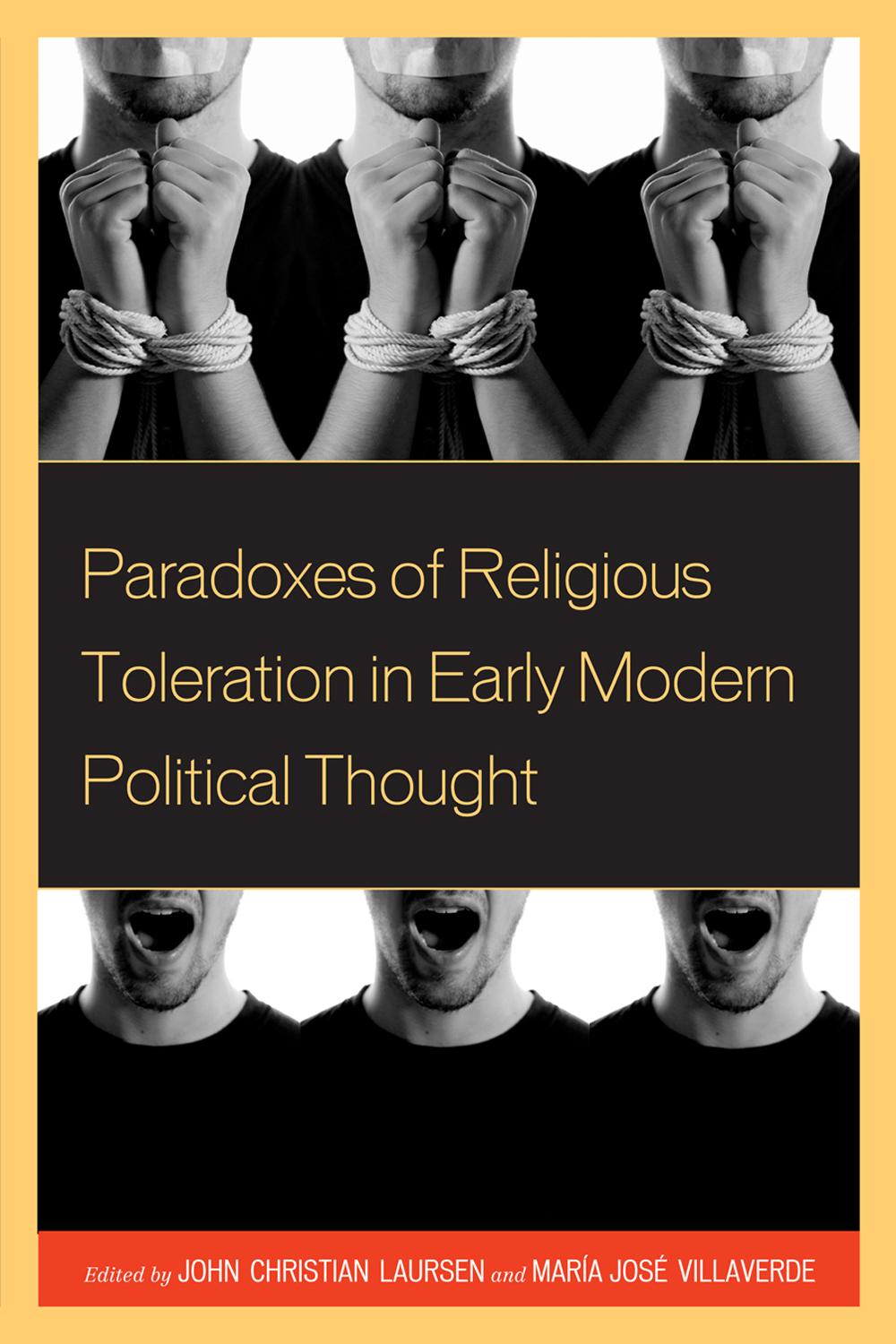
Paradoxes of Religious Toleration in Early Modern Political Thought
Autor: John Christian Laursen, Jonathan Israel, Joaquín Abellán, Henri Krop, Gerardo López Sastre, Cyrus Masroori, Rolando Minuti, Concha Roldán, Luisa Simonutti, Maria Jose Villaverde
Wydawca: Bloomsbury Publishing
Wydanie: 1
Data publikacji: 2012
ISBN: 9780739172162
In today’s developed world, much of what people believe about religious toleration has evolved from crucial innovations in toleration theory developed in the seventeenth and eighteenth centuries. Thinkers from that period have been rightly celebrated for creating influential, liberating concepts and ideas that have enabled many of us to live in peace. However, their work was certainly not perfect. In this enlightening volume, John Christian Laursen and María José Villaverde have gathered contributors to focus on the paradoxes, blindspots, unexpected flaws, or ambiguities in early modern toleration theories and practices. Each chapter explores the complexities, complications, and inconsistencies that came up in the seventeenth and eighteenth centuries as people grappled with the idea of toleration. In understanding the weaknesses, contradictions, and ambivalences in other theories, they hope to provoke thought about the defects in ways of thinking about toleration in order to help in overcoming similar problems in contemporary toleration theories.
Strony: 230
Kategoria: Statsvetenskap & Politik
e-ISBN: 9780739172186
Waga przesyłki: 1.2 kg
Wysyłka w ciągu: 1-2 dni
Płać wygodnie kartą, Klarną, Apple Pay lub Google Pay. Nie jesteś zadowolony? Zawsze masz 14-dniową gwarancję zwrotu pieniędzy. Więcej przeczytasz w naszych warunkach. Masz pytania? Napisz do nas na hello@memmo.org.
Memmo ułatwia naukę – gdziekolwiek jesteś na świecie. U nas znajdziesz podręczniki i sprytne narzędzia do nauki w jednym miejscu: streszczenia, quizy, podcasty i fiszki. A do tego Ted, Twój kumpel do nauki, który odpowie na wszystko, co Cię nurtuje. Ponad 50 000 studentów już tu się uczy – stworzone, byś uczył się szybciej i mniej stresował.