
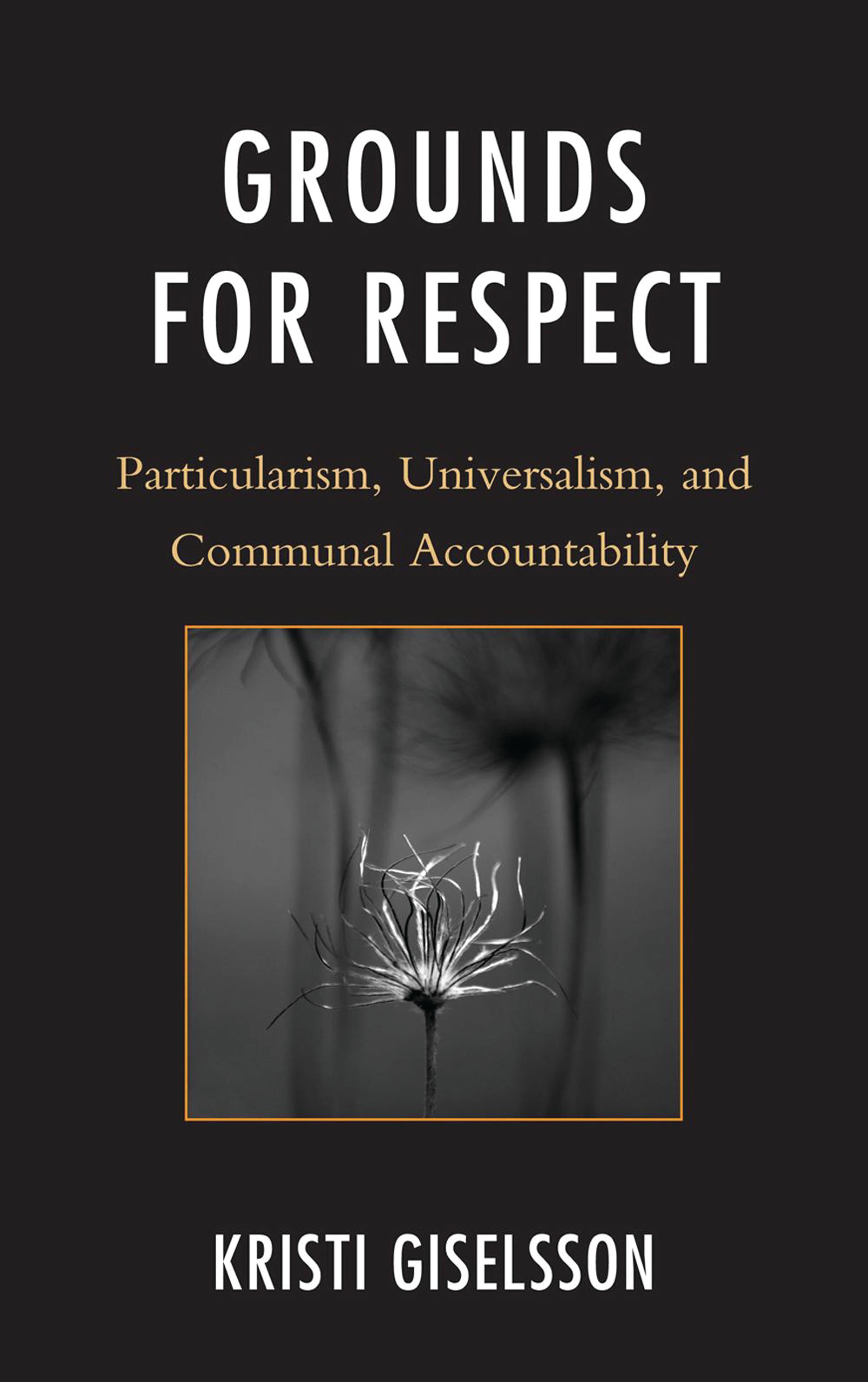
In recent years traditional foundations of respect for others have been challenged on the basis that universal grounds — the assumption that we share a common humanity — have resulted in the exclusion of particular others from full moral consideration or respect. This current questioning of the concept of a common humanity is of enormous significance, in that universalism has been one of the central assumptions of modern western philosophy and a foundational key to its moral and political theory. This book attempts to address the question of just what grounds are needed in order to justify respect for others, and in addressing this question raises issues of fundamental importance; such as, what exactly does it mean to be human? On what basis can we claim that all humans are equal? Are there differences between animals and humans, and are these differences of moral significance — that is, should animals be accorded the same respect as humans? The author not only critically assesses past and current arguments for and against a common humanity, but also provides a distinctively new conceptualization of what it might mean to be human — and why being human is indeed morally significant.
Płać wygodnie kartą, Klarną, Apple Pay lub Google Pay. Nie jesteś zadowolony? Zawsze masz 14-dniową gwarancję zwrotu pieniędzy. Więcej przeczytasz w naszych warunkach. Masz pytania? Napisz do nas na hello@memmo.org.
Memmo ułatwia naukę – gdziekolwiek jesteś na świecie. U nas znajdziesz podręczniki i sprytne narzędzia do nauki w jednym miejscu: streszczenia, quizy, podcasty i fiszki. A do tego Ted, Twój kumpel do nauki, który odpowie na wszystko, co Cię nurtuje. Ponad 50 000 studentów już tu się uczy – stworzone, byś uczył się szybciej i mniej stresował.