
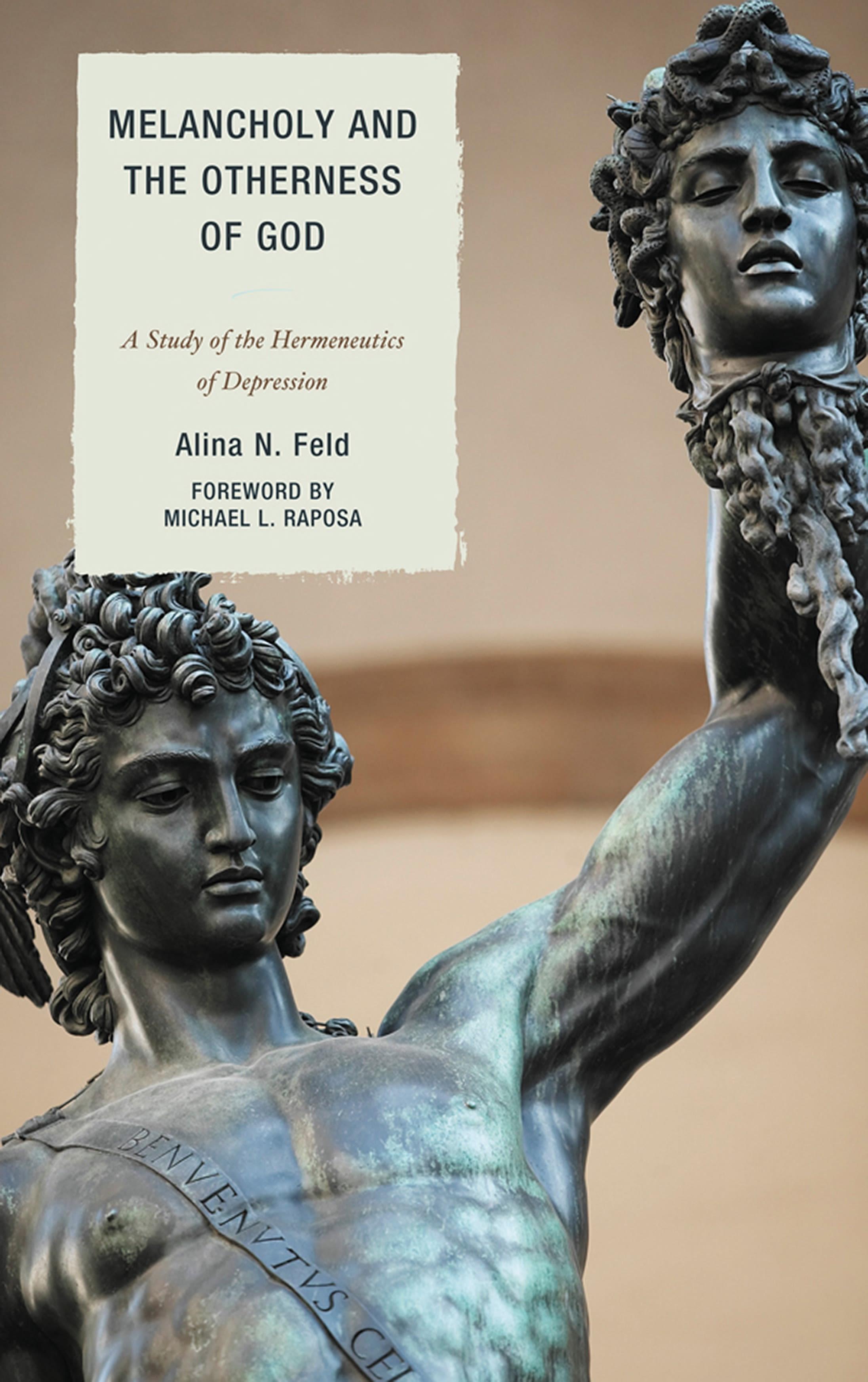
An impressive study that prompts the reader toward philosophical reflection on the hermeneutics of melancholy in its relation to maturing theological understanding and cultivation of a profound self-consciousness. Melancholy has been interpreted as a deadly sin or demonic temptation to non-being, yet its history of interpretation reveals a progressive coming to terms with the dark mood that ultimately unveils it as the self's own ground and a trace of the abysmal nature of God. The book advances two provocative claims: that far from being a contingent condition, melancholy has been progressively acknowledged as constitutive of subjectivity as such, a trace of divine otherness and pathos, and that the effort to transcend melancholy-like Perseus vanquishing Medusa-is a necessary labor of maturing self-consciousness. Reductive attempts to eliminate it, besides being dangerously utopian, risk overcoming the labor of the soul that makes us human. This study sets forth a rigorous scholarly argument that spans several disciplines, including philosophy, theology, psychology, and literary studies.
Płać wygodnie kartą, Klarną, Apple Pay lub Google Pay. Nie jesteś zadowolony? Zawsze masz 14-dniową gwarancję zwrotu pieniędzy. Więcej przeczytasz w naszych warunkach. Masz pytania? Napisz do nas na hello@memmo.org.
Memmo ułatwia naukę – gdziekolwiek jesteś na świecie. U nas znajdziesz podręczniki i sprytne narzędzia do nauki w jednym miejscu: streszczenia, quizy, podcasty i fiszki. A do tego Ted, Twój kumpel do nauki, który odpowie na wszystko, co Cię nurtuje. Ponad 50 000 studentów już tu się uczy – stworzone, byś uczył się szybciej i mniej stresował.