
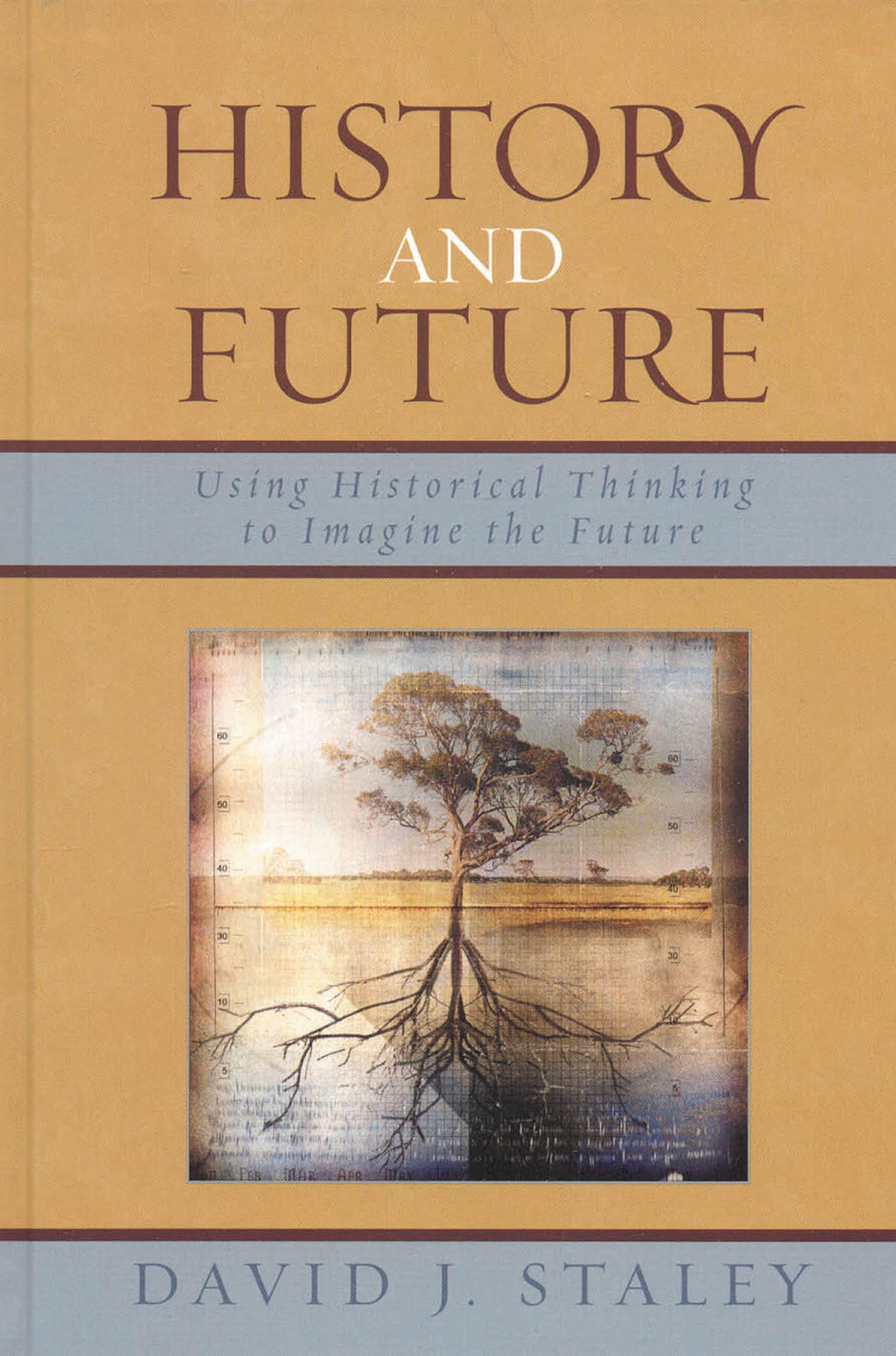
Perhaps the most important histiographic innovation of the twentieth century was the application of the historical method to wider and more expansive areas of the past. Where historians once defined the study of history strictly in terms of politics and the actions and decisions of Great Men, historians today are just as likely to inquire into a much wider domain of the past, from the lives of families and peasants, to more abstract realms such as the history of mentalities and emotions. Historians have applied their method to a wider variety of subjects; regardless of the topic, historians ask questions, seek evidence, draw inferences from that evidence, create representations, and subject these representations to the scrutiny of other historians.
This book severs the historical method from the past altogether by applying that method to a domain outside of the past. The goal of this book is to apply history-as-method to the study of the future, a subject matter domain that most historians have traditionally and vigorously avoided.
Historians have traditionally rejected the idea that we can use the study of history to think about the future. The book reexamines this long held belief, and argues that the historical method is an excellent way to think about and represent the future. At the same time, the book asserts that futurists should not view the future as a scientist might-aiming for predictions and certainties-but rather should view the future in the same way that an historian views the past.
This book severs the historical method from the past altogether by applying that method to a domain outside of the past. The goal of this book is to apply history-as-method to the study of the future, a subject matter domain that most historians have traditionally and vigorously avoided.
Historians have traditionally rejected the idea that we can use the study of history to think about the future. The book reexamines this long held belief, and argues that the historical method is an excellent way to think about and represent the future. At the same time, the book asserts that futurists should not view the future as a scientist might-aiming for predictions and certainties-but rather should view the future in the same way that an historian views the past.
Płać wygodnie kartą, Klarną, Apple Pay lub Google Pay. Nie jesteś zadowolony? Zawsze masz 14-dniową gwarancję zwrotu pieniędzy. Więcej przeczytasz w naszych warunkach. Masz pytania? Napisz do nas na hello@memmo.org.
Memmo ułatwia naukę – gdziekolwiek jesteś na świecie. U nas znajdziesz podręczniki i sprytne narzędzia do nauki w jednym miejscu: streszczenia, quizy, podcasty i fiszki. A do tego Ted, Twój kumpel do nauki, który odpowie na wszystko, co Cię nurtuje. Ponad 50 000 studentów już tu się uczy – stworzone, byś uczył się szybciej i mniej stresował.