
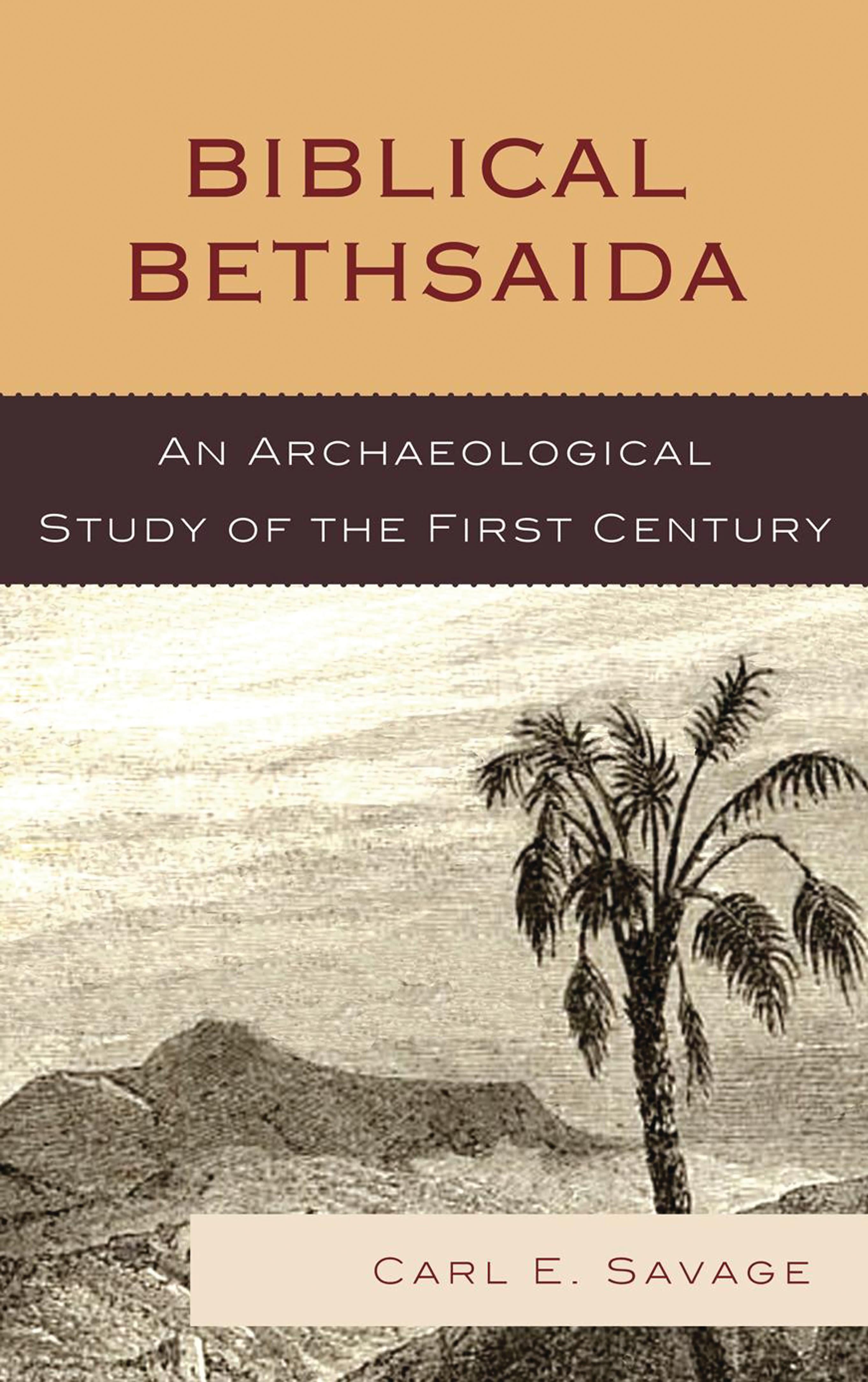
In his illuminating, well-researched book examining the site of Et-Tell, also known as Bethsaida, Carl E. Savage explores archaeological evidence to offer readers a portrait of the religious beliefs and practices of the community living near the north shore of the Sea of Galilee during the first century CE. In the study of the cultural and social matrix of the first century in the Galilee, scholars have commonly prioritized written sources over archaeological evidence because written sources seem to contribute more directly to an understanding of the religious beliefs and practices of a community. However, there exist many competing views of the landscape during that time due to the varying interpretations of the textual sources. Using archaeological data from Bethsaida itself, Savage investigates the material practices of Bethsaida's ancient inhabitants, describing these practices as significant indicators of their sense of place both ideologically and geographically. He evaluates the historical plausibility of various social reconstructions for the region, and finds that the image that emerges of first-century Bethsaida is one similar to those of other Jewish communities in the Galilee.
Płać wygodnie kartą, Klarną, Apple Pay lub Google Pay. Nie jesteś zadowolony? Zawsze masz 14-dniową gwarancję zwrotu pieniędzy. Więcej przeczytasz w naszych warunkach. Masz pytania? Napisz do nas na hello@memmo.org.
Memmo ułatwia naukę – gdziekolwiek jesteś na świecie. U nas znajdziesz podręczniki i sprytne narzędzia do nauki w jednym miejscu: streszczenia, quizy, podcasty i fiszki. A do tego Ted, Twój kumpel do nauki, który odpowie na wszystko, co Cię nurtuje. Ponad 50 000 studentów już tu się uczy – stworzone, byś uczył się szybciej i mniej stresował.