
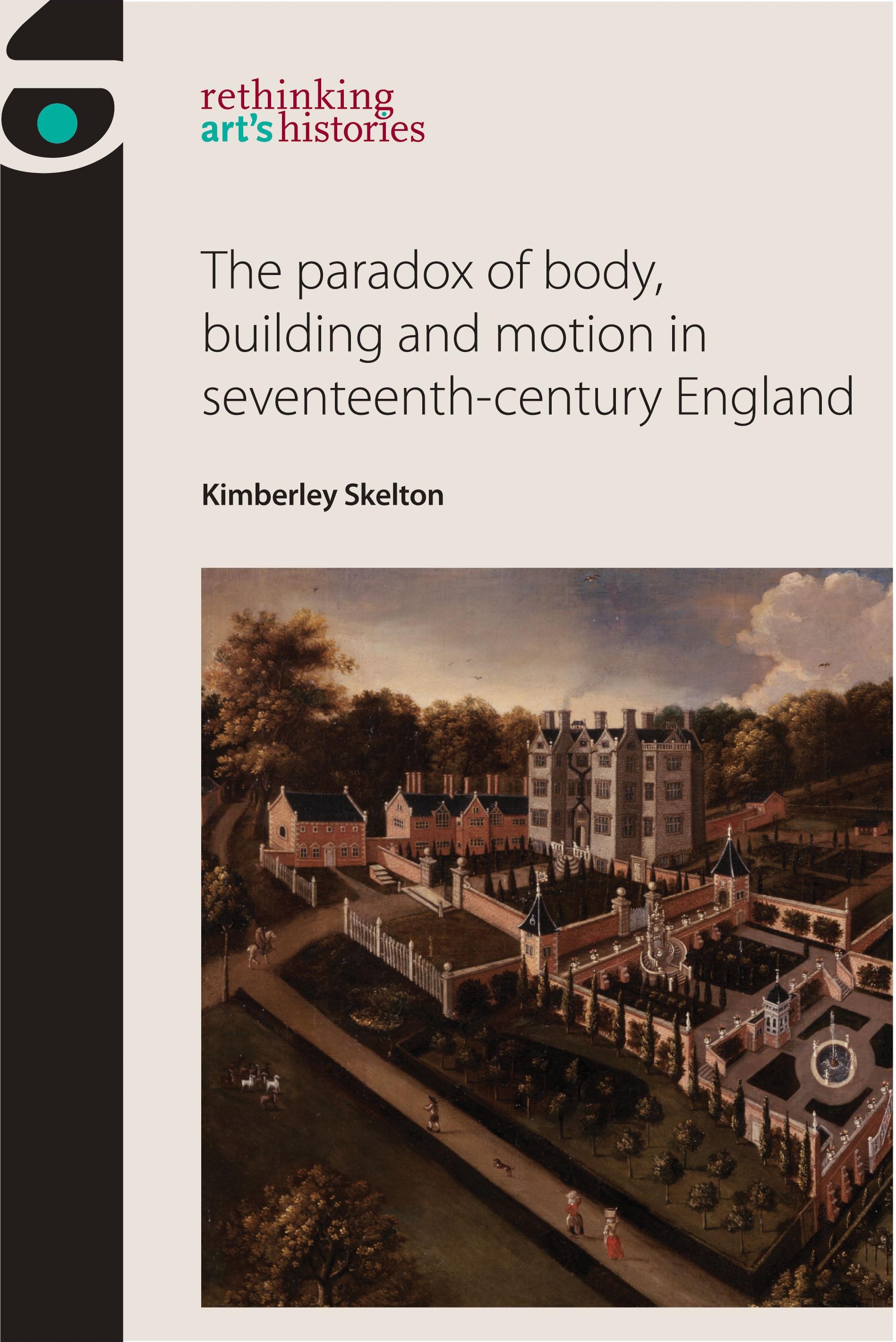
This book examines how seventeenth-century English architectural theorists and designers rethought the domestic built environment in terms of mobility, as motion became a dominant mode of articulating the world across discourses encompassing philosophy, political theory, poetry, and geography. From mid-century, the house and estate that had evoked staccato rhythms became triggers for mental and physical motion – evoking travel beyond England’s shores, displaying vistas, and showcasing changeable wall surfaces. Simultaneously, philosophers and other authors argued for the first time that, paradoxically, the blur of motion immobilised an inherently restless viewer into social predictability and so stability. Alternately feared and praised early in the century for its unsettling unpredictability, motion became the most certain way of comprehending social interactions, language, time, and the buildings that filtered human experience. At the heart of this narrative is the malleable sensory viewer, tacitly assumed in early modern architectural theory and history yet whose inescapable responsiveness to surrounding stimuli guaranteed a dependable world from the seventeenth century.
Płać wygodnie kartą, Klarną, Apple Pay lub Google Pay. Nie jesteś zadowolony? Zawsze masz 14-dniową gwarancję zwrotu pieniędzy. Więcej przeczytasz w naszych warunkach. Masz pytania? Napisz do nas na hello@memmo.org.
Memmo ułatwia naukę – gdziekolwiek jesteś na świecie. U nas znajdziesz podręczniki i sprytne narzędzia do nauki w jednym miejscu: streszczenia, quizy, podcasty i fiszki. A do tego Ted, Twój kumpel do nauki, który odpowie na wszystko, co Cię nurtuje. Ponad 50 000 studentów już tu się uczy – stworzone, byś uczył się szybciej i mniej stresował.
Może Ci się spodobać
Kup książkę0