
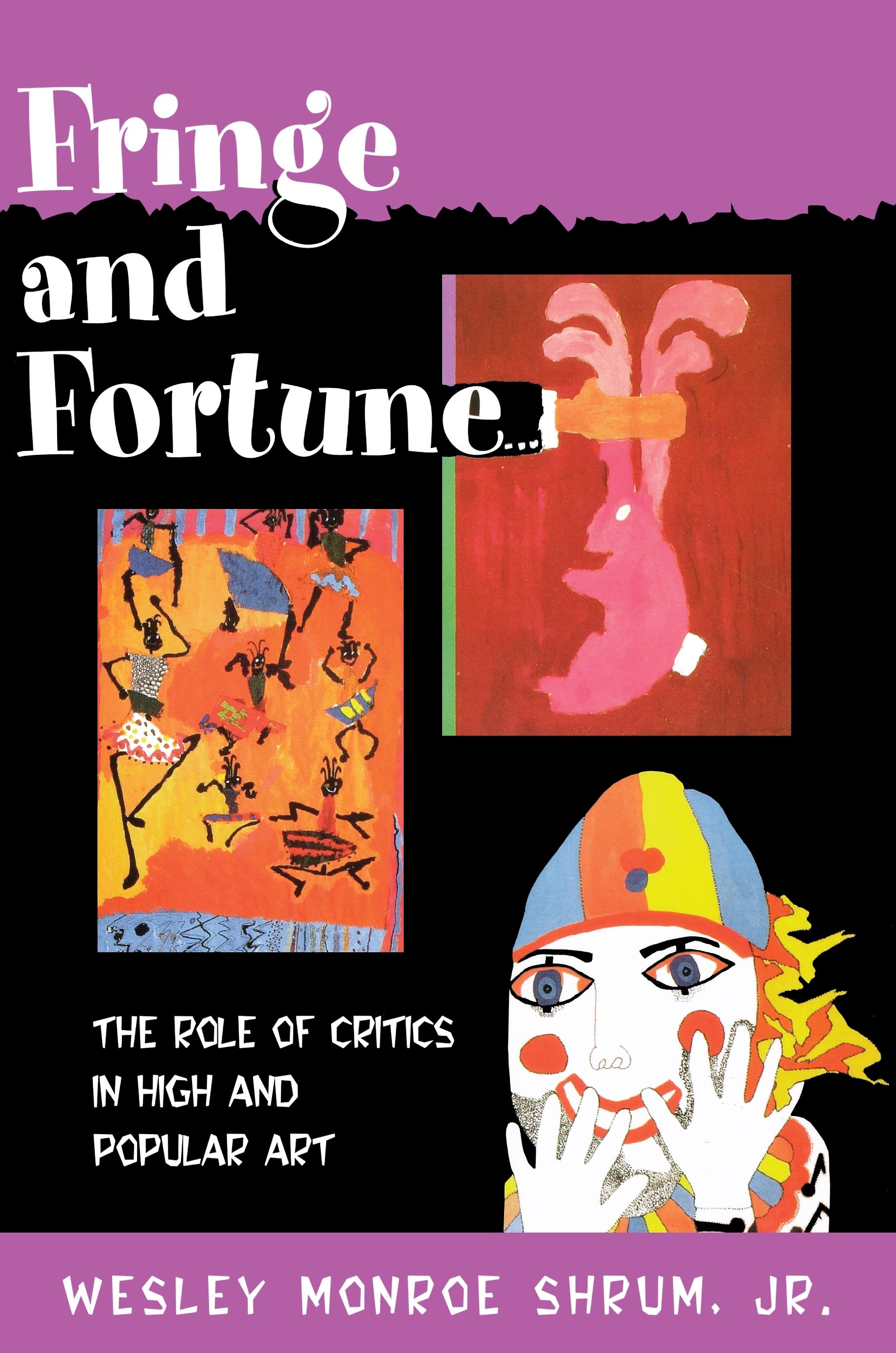
Why does the distinction between high and popular art persist in spite of postmodernist predictions that it should vanish? Departing from the conventional view that such distinctions are class-related, Wesley Shrum concentrates instead on the way individuals form opinions about culture through the mediation of critics. He shows that it is the extent to which critics shape the reception of an art form that determines its place in the cultural hierarchy. Those who patronize "lowbrow" art--stand-up comedy, cabaret, movies, and popular music--do not heed critical opinions nearly as much as do those who patronize "highbrow" art--theater, opera, and classical music. Thus the role of critics is crucial to understanding the nature of cultural hierarchy and its persistence. Shrum supports his argument through an inquiry into the performing arts, focusing on the Edinburgh Fringe, the world's largest and most diverse art festival.
Beginning with eighteenth-century London playhouses and print media, where performance art criticism flourished, Shrum examines the triangle of mediation involving critics, spectators, and performers. The Fringe is shown to parallel modern art worlds, where choices proliferate along with the demand for guidance. Using interviews with critics and performers, analysis of audiences, and published reviews as well as dramatic vignettes, Shrum reveals the impact of critics on high art forms and explores the "status bargain" in which consumers are influenced by experts in return for prestige.
Płać wygodnie kartą, Klarną, Apple Pay lub Google Pay. Nie jesteś zadowolony? Zawsze masz 14-dniową gwarancję zwrotu pieniędzy. Więcej przeczytasz w naszych warunkach. Masz pytania? Napisz do nas na hello@memmo.org.
Memmo ułatwia naukę – gdziekolwiek jesteś na świecie. U nas znajdziesz podręczniki i sprytne narzędzia do nauki w jednym miejscu: streszczenia, quizy, podcasty i fiszki. A do tego Ted, Twój kumpel do nauki, który odpowie na wszystko, co Cię nurtuje. Ponad 50 000 studentów już tu się uczy – stworzone, byś uczył się szybciej i mniej stresował.