
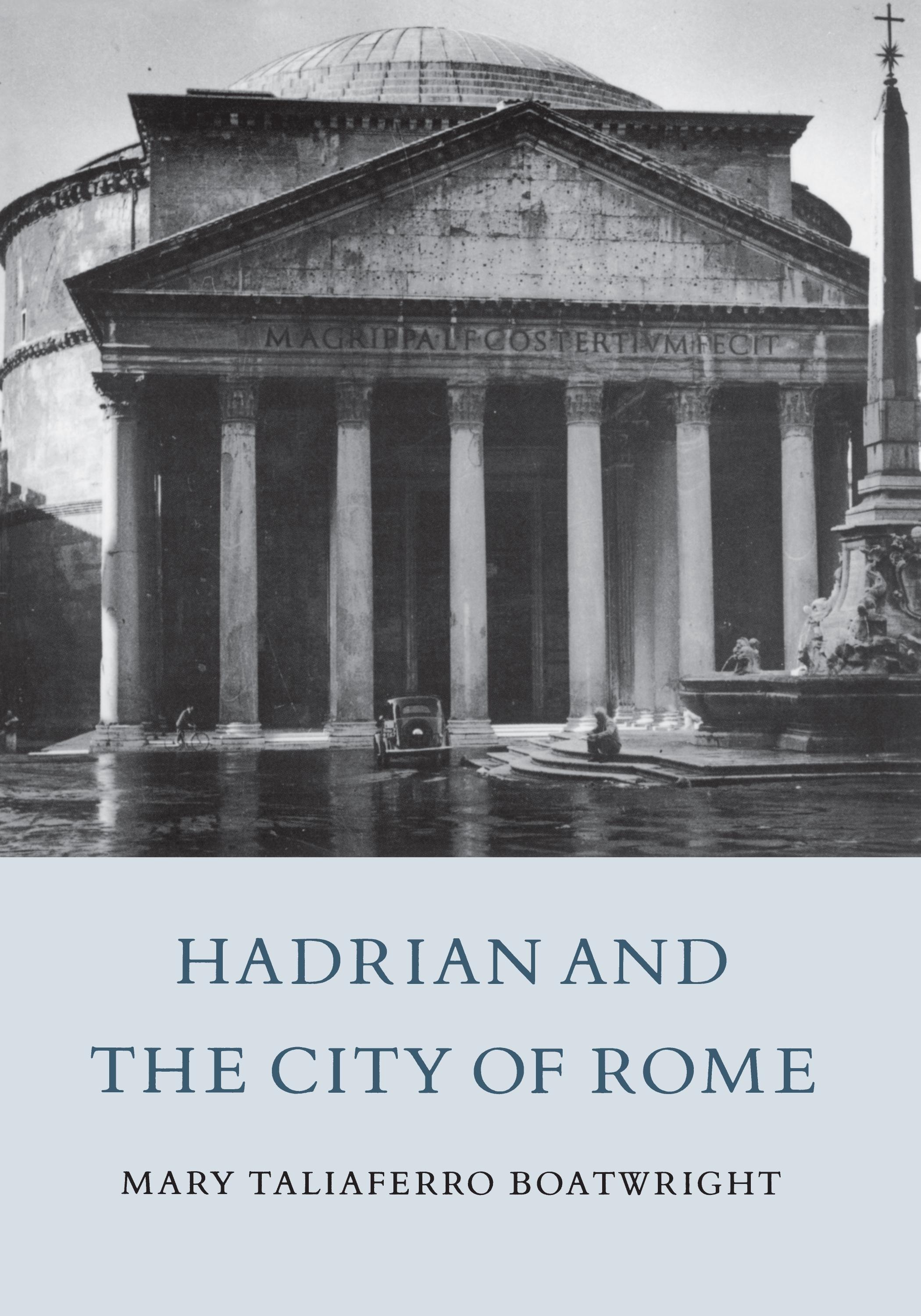
How Hadrian left an enduring mark on the architecture and urban topography of ancient Rome
The Pantheon, the Temple of Venus and Roma, Hadrian’s Mausoleum transformed into Castel Sant’Angelo, and his villa at Tivoli epitomize for many the power and resources of Rome at its zenith. Because other urban changes during Hadrian’s principate (A.D. 117–138) left less visible traces, however, few people realize how powerfully he transformed the capital city not only by erecting these and other monumental edifices but also by renovating buildings, even entire districts, and by reorganizing the building industry and neighborhood life. Mary Taliaferro Boatwright compiles and assesses the varied evidence for Hadrian’s buildings and his administrative changes and evaluates his effect on the capital city in a topographical and historical context. A comprehensive catalogue follows the illustrated text.
Płać wygodnie kartą, Klarną, Apple Pay lub Google Pay. Nie jesteś zadowolony? Zawsze masz 14-dniową gwarancję zwrotu pieniędzy. Więcej przeczytasz w naszych warunkach. Masz pytania? Napisz do nas na hello@memmo.org.
Memmo ułatwia naukę – gdziekolwiek jesteś na świecie. U nas znajdziesz podręczniki i sprytne narzędzia do nauki w jednym miejscu: streszczenia, quizy, podcasty i fiszki. A do tego Ted, Twój kumpel do nauki, który odpowie na wszystko, co Cię nurtuje. Ponad 50 000 studentów już tu się uczy – stworzone, byś uczył się szybciej i mniej stresował.