
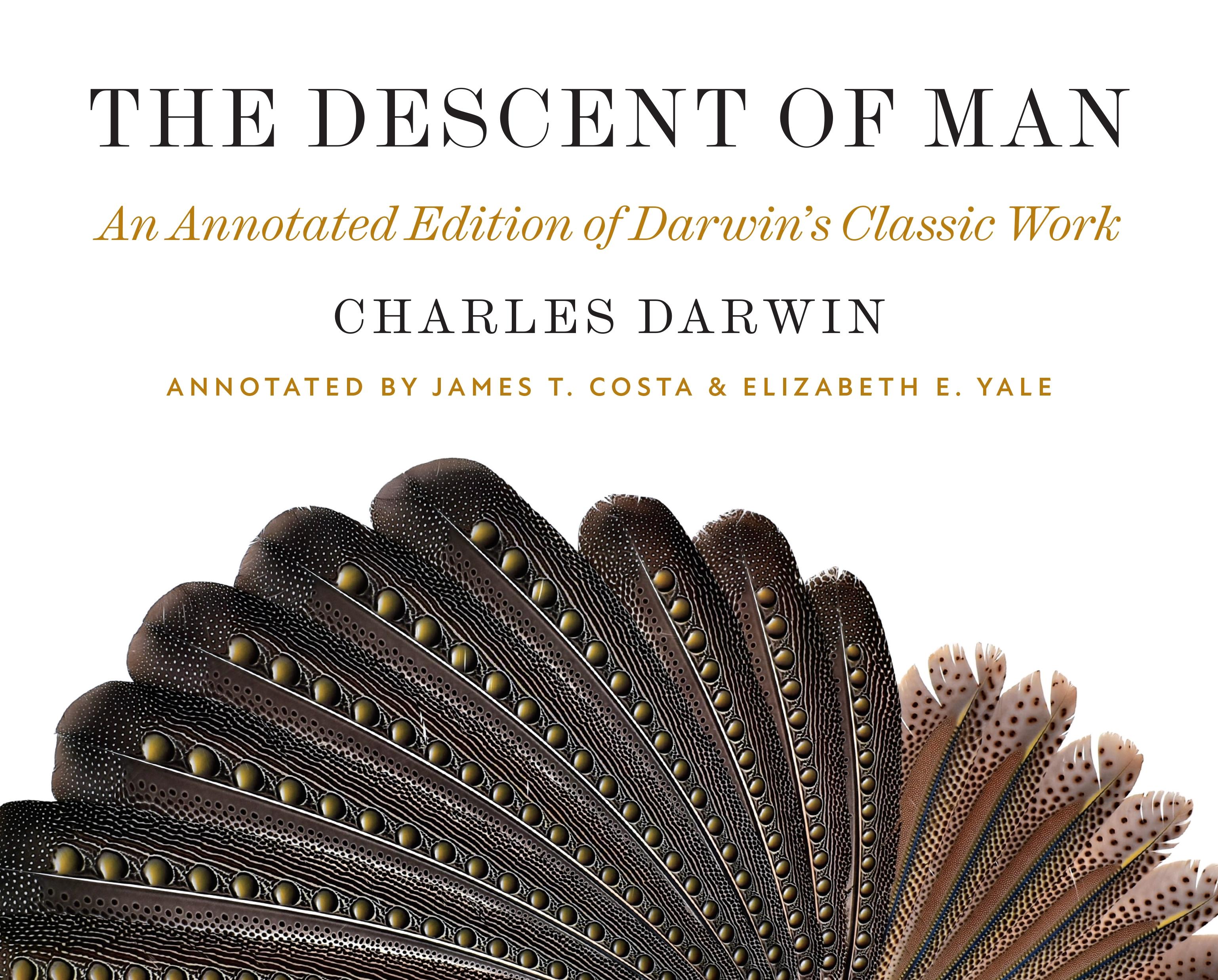
The first annotated edition of the book that shocked the Victorian world and continues to generate controversy today
When Charles Darwin's The Descent of Man was published in 1871, the book was an immediate sensation. It presents Darwin's account of how we evolved from primates and expounds his theory of sexual selection, which he believed accounted for human origins and diversity. James Costa and Elizabeth Yale bring Darwin's Descent to new life in this authoritative annotated edition, shedding light on the cultural context in which the legendary naturalist developed his ideas and exploring how subsequent generations of scientists, scholars, and social reformers adapted them.
Informative and in-depth commentaries accompany the text of The Descent of Man, enabling readers to engage with Darwin's ideas and contextualize them in light of our current understanding of human evolution and sexual selection. Costa and Yale show how Darwin's antislavery commitments and his beliefs in European superiority shaped his account of the evolution of human difference, and examine how Victorian beliefs about gender informed the development of his theory of sexual selection. They explain where Darwin's arguments about the origins of human differences line up with modern science—and where they don't.
Spanning the boundaries of history and science, this fully annotated edition illuminates the rich cultural and scientific contexts underpinning Darwin's ideas and introduces his landmark book to a new generation of readers.
Płać wygodnie kartą, Klarną, Apple Pay lub Google Pay. Nie jesteś zadowolony? Zawsze masz 14-dniową gwarancję zwrotu pieniędzy. Więcej przeczytasz w naszych warunkach. Masz pytania? Napisz do nas na hello@memmo.org.
Memmo ułatwia naukę – gdziekolwiek jesteś na świecie. U nas znajdziesz podręczniki i sprytne narzędzia do nauki w jednym miejscu: streszczenia, quizy, podcasty i fiszki. A do tego Ted, Twój kumpel do nauki, który odpowie na wszystko, co Cię nurtuje. Ponad 50 000 studentów już tu się uczy – stworzone, byś uczył się szybciej i mniej stresował.