
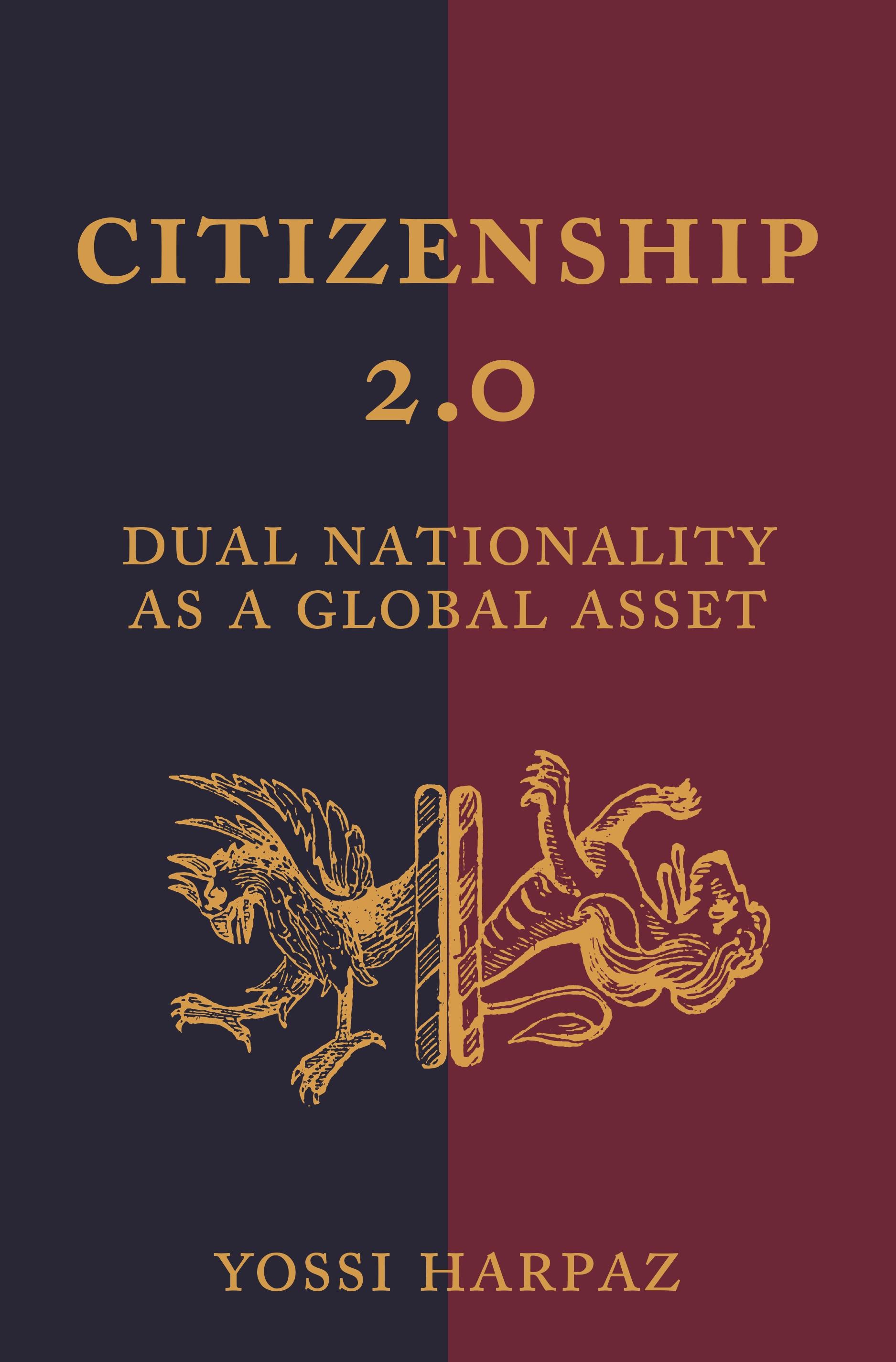
Citizenship 2.0 focuses on an important yet overlooked dimension of globalization: the steady rise in the legitimacy and prevalence of dual citizenship. Demand for dual citizenship is particularly high in Latin America and Eastern Europe, where more than three million people have obtained a second citizenship from EU countries or the United States. Most citizenship seekers acquire EU citizenship by drawing on their ancestry or ethnic origin; others secure U.S. citizenship for their children by strategically planning their place of birth. Their aim is to gain a second, compensatory citizenship that would provide superior travel freedom, broader opportunities, an insurance policy, and even a status symbol.
Drawing on extensive interviews and fieldwork, Yossi Harpaz analyzes three cases: Israelis who acquire citizenship from European-origin countries such as Germany or Poland; Hungarian-speaking citizens of Serbia who obtain a second citizenship from Hungary (and, through it, EU citizenship); and Mexicans who give birth in the United States to secure American citizenship for their children. Harpaz reveals the growth of instrumental attitudes toward citizenship: individuals worldwide increasingly view nationality as rank within a global hierarchy rather than as a sanctified symbol of a unique national identity.
Citizenship 2.0 sheds light on a fascinating phenomenon that is expected to have a growing impact on national identity, immigration, and economic inequality.
Płać wygodnie kartą, Klarną, Apple Pay lub Google Pay. Nie jesteś zadowolony? Zawsze masz 14-dniową gwarancję zwrotu pieniędzy. Więcej przeczytasz w naszych warunkach. Masz pytania? Napisz do nas na hello@memmo.org.
Memmo ułatwia naukę – gdziekolwiek jesteś na świecie. U nas znajdziesz podręczniki i sprytne narzędzia do nauki w jednym miejscu: streszczenia, quizy, podcasty i fiszki. A do tego Ted, Twój kumpel do nauki, który odpowie na wszystko, co Cię nurtuje. Ponad 50 000 studentów już tu się uczy – stworzone, byś uczył się szybciej i mniej stresował.