
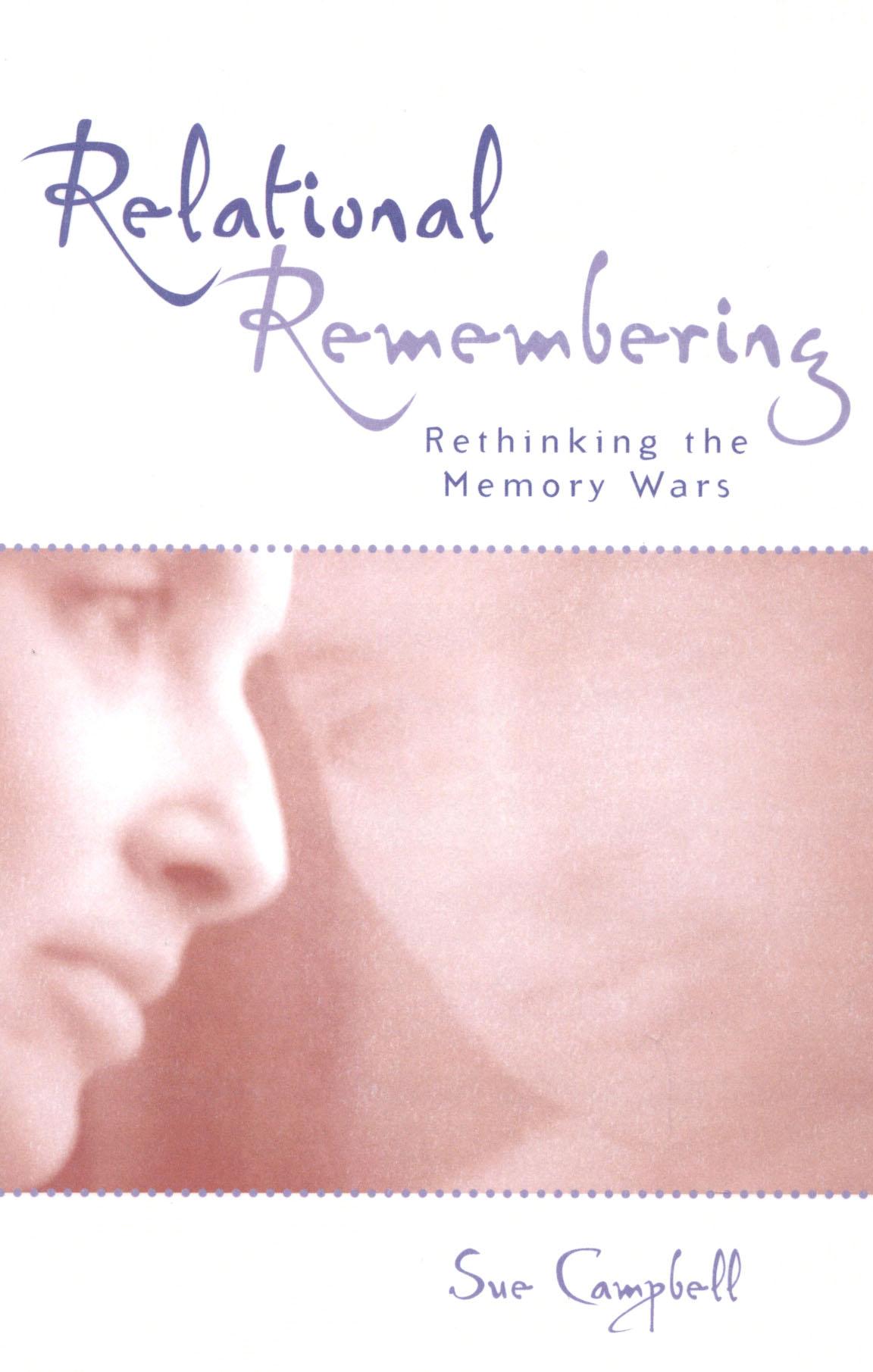
Tracing the impact of the "memory wars" on science and culture, Relational Remembering offers a vigorous philosophical challenge to the contemporary skepticism about memory that is their legacy. Campbell's work provides a close conceptual analysis of the strategies used to challenge women's memories, particularly those meant to provoke a general social alarm about suggestibility. Sue Campbell argues that we cannot come to an adequate understanding of the nature and value of memory through a distorted view of rememberers.
The harmful stereotypes of women's passivity and instability that have repopulated discussions of abuse have led many theorists to regard the social dimensions of remembering only negatively, as a threat or contaminant to memory integrity. Such models of memory cannot help us grasp the nature of harms linked to oppression, as these models imply that changed group understandings of the past are incompatible with the integrity of personal memory. Campbell uses the false memory debates to defend a feminist reconceptualization of personal memory as relational, social, and subject to politics. Memory is analyzed as a complex of cognitive abilities and social/narrative activities where one's success or failure as a rememberer is both affected by one's social location and has profound ramifications for one's cultural status as a moral agent.
The harmful stereotypes of women's passivity and instability that have repopulated discussions of abuse have led many theorists to regard the social dimensions of remembering only negatively, as a threat or contaminant to memory integrity. Such models of memory cannot help us grasp the nature of harms linked to oppression, as these models imply that changed group understandings of the past are incompatible with the integrity of personal memory. Campbell uses the false memory debates to defend a feminist reconceptualization of personal memory as relational, social, and subject to politics. Memory is analyzed as a complex of cognitive abilities and social/narrative activities where one's success or failure as a rememberer is both affected by one's social location and has profound ramifications for one's cultural status as a moral agent.
Płać wygodnie kartą, Klarną, Apple Pay lub Google Pay. Nie jesteś zadowolony? Zawsze masz 14-dniową gwarancję zwrotu pieniędzy. Więcej przeczytasz w naszych warunkach. Masz pytania? Napisz do nas na hello@memmo.org.
Memmo ułatwia naukę – gdziekolwiek jesteś na świecie. U nas znajdziesz podręczniki i sprytne narzędzia do nauki w jednym miejscu: streszczenia, quizy, podcasty i fiszki. A do tego Ted, Twój kumpel do nauki, który odpowie na wszystko, co Cię nurtuje. Ponad 50 000 studentów już tu się uczy – stworzone, byś uczył się szybciej i mniej stresował.