
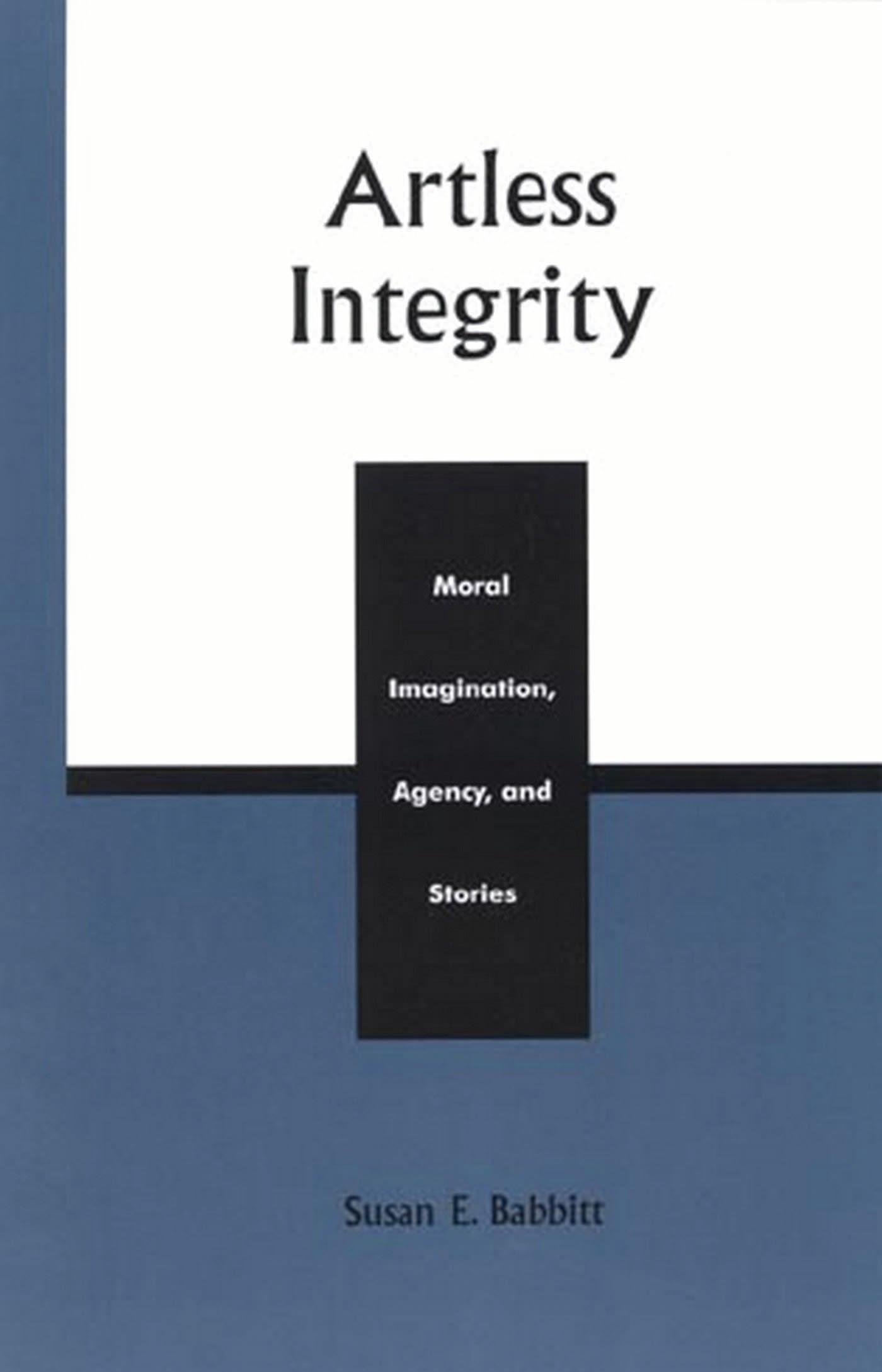
This book considers the nature and exercise of moral imagination in situations in which our ability to act and choose meaningfully is limited by unarticulated expectations. Moral imagination is a cognitive attitude, in which we regard propositions as true. But it also involves orientation. In moral imagination, we regard propositions as true in order to make something else true, and we act and interpret as if it were true. The demand for explanatory unity in such situations - what I call 'explanatory burden' - involves self-constitution, with seeing oneself as a certain sort of person and developing relevant expectations. Whereas it is common to define human well-being in terms of choice and capacities, I suggest that meaningful choice and human capacities are sometimes defined in terms of the actual pursuit and achievement of human well-being. I draw upon examples from literature, film, and historical narrative to suggest that while we think autonomy and agency consist, at least in part, in taking control, we must sometimes be controlled by circumstances and relations in order to occupy an appropriate interpretive perspective for real freedom. I consider the implications of this point for such concepts as respect, friendship and democracy.
Płać wygodnie kartą, Klarną, Apple Pay lub Google Pay. Nie jesteś zadowolony? Zawsze masz 14-dniową gwarancję zwrotu pieniędzy. Więcej przeczytasz w naszych warunkach. Masz pytania? Napisz do nas na hello@memmo.org.
Memmo ułatwia naukę – gdziekolwiek jesteś na świecie. U nas znajdziesz podręczniki i sprytne narzędzia do nauki w jednym miejscu: streszczenia, quizy, podcasty i fiszki. A do tego Ted, Twój kumpel do nauki, który odpowie na wszystko, co Cię nurtuje. Ponad 50 000 studentów już tu się uczy – stworzone, byś uczył się szybciej i mniej stresował.