
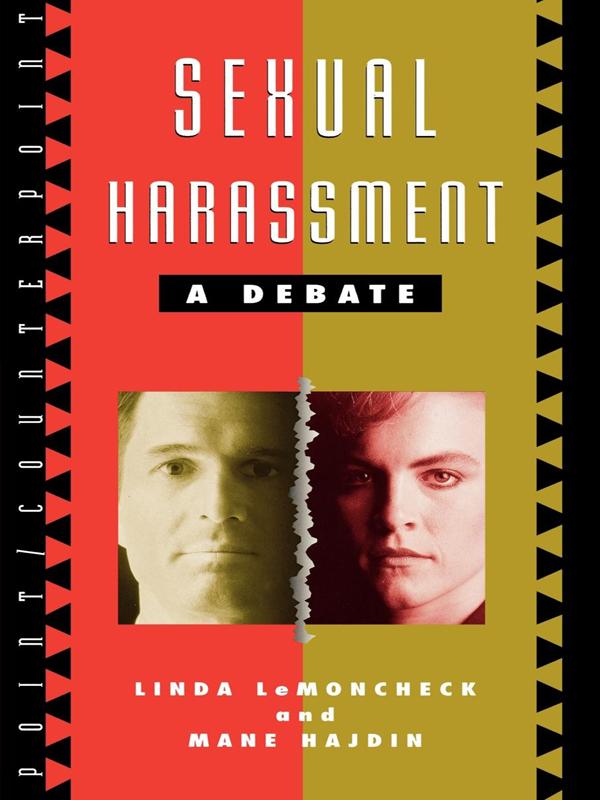
The question of what constitutes sexual harassment-from suggestive remarks to outright threats, from off-color jokes to lewd posters on office walls-is contentious, as is the question of how to address sexual harassment. Do all instances of sexual harassment constitute sex discrimination? Are some instances merely sexual attraction gone wrong? Do social policies aimed at eliminating sexual harassment in the workplace violate freedom of expression or do they make working relationships possible between women and men? In this uncompromising yet respectful debate, two philosophers of widely divergent views present clear arguments and then respond directly to each other's reasoning. LeMonchek argues for a feminist perspective on sexual harassment that is sensitive to the politics of gender. Hajdin contends that this perspective is both morally confusing and legally problematic, and that sexual harassment can be better addressed by traditional moral and legal categories.
Płać wygodnie kartą, Klarną, Apple Pay lub Google Pay. Nie jesteś zadowolony? Zawsze masz 14-dniową gwarancję zwrotu pieniędzy. Więcej przeczytasz w naszych warunkach. Masz pytania? Napisz do nas na hello@memmo.org.
Memmo ułatwia naukę – gdziekolwiek jesteś na świecie. U nas znajdziesz podręczniki i sprytne narzędzia do nauki w jednym miejscu: streszczenia, quizy, podcasty i fiszki. A do tego Ted, Twój kumpel do nauki, który odpowie na wszystko, co Cię nurtuje. Ponad 50 000 studentów już tu się uczy – stworzone, byś uczył się szybciej i mniej stresował.