
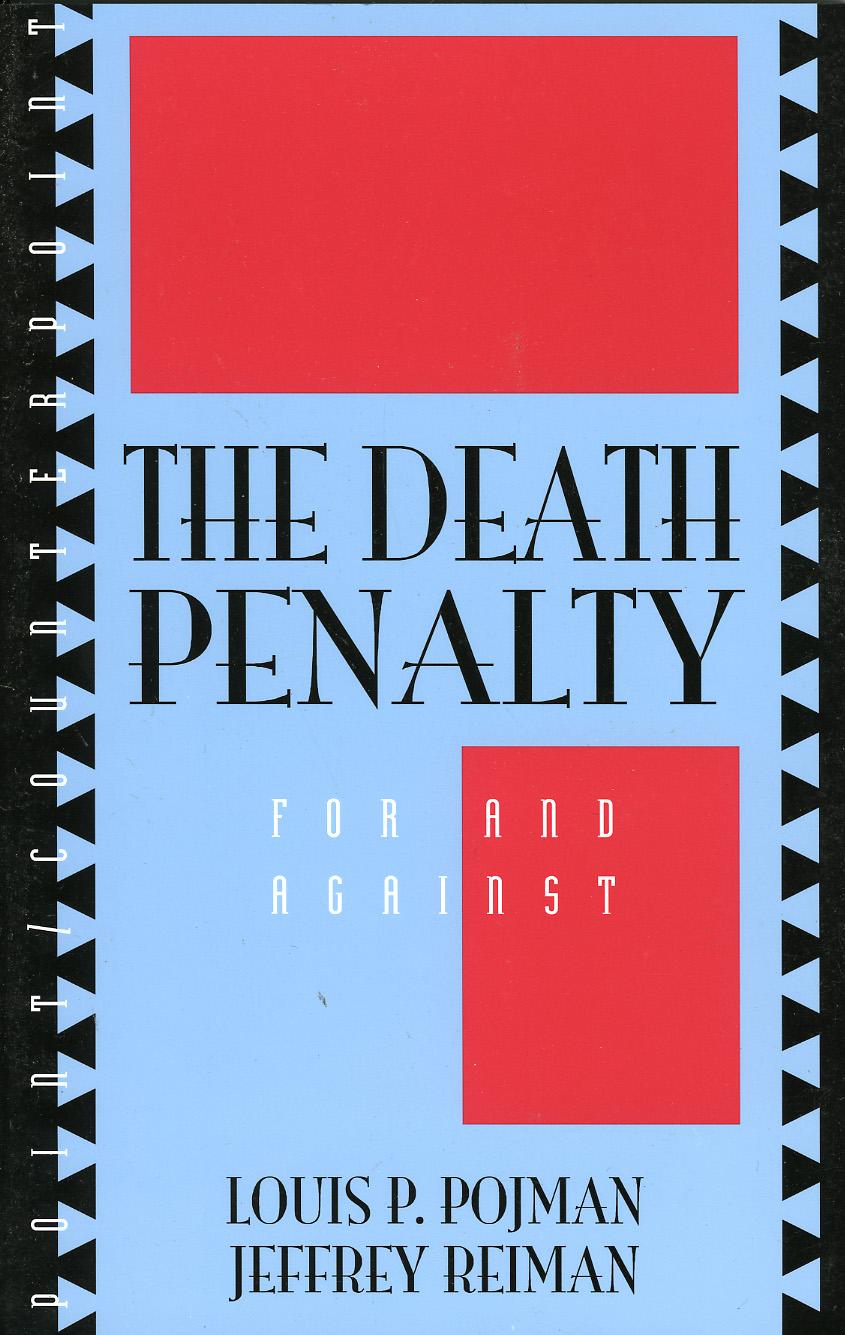
Two distinguished social and political philosophers take opposing positions in this highly engaging work. Louis P. Pojman justifies the practice of execution by appealing to the principle of retribution: we deserve to be rewarded and punished according to the virtue or viciousness of our actions. He asserts that the death penalty does deter some potential murderers and that we risk the lives of innocent people who might otherwise live if we refuse to execute those deserving that punishment.
Jeffrey Reiman argues that although the death penalty is a just punishment for murder, we are not morally obliged to execute murderers. Since we lack conclusive evidence that executing murderers is an effective deterrent and because we can foster the advance of civilization by demonstrating our intolerance for cruelty in our unwillingness to kill those who kill others, Reiman concludes that it is good in principle to avoid the death penalty, and bad in practice to impose it.
Jeffrey Reiman argues that although the death penalty is a just punishment for murder, we are not morally obliged to execute murderers. Since we lack conclusive evidence that executing murderers is an effective deterrent and because we can foster the advance of civilization by demonstrating our intolerance for cruelty in our unwillingness to kill those who kill others, Reiman concludes that it is good in principle to avoid the death penalty, and bad in practice to impose it.
Płać wygodnie kartą, Klarną, Apple Pay lub Google Pay. Nie jesteś zadowolony? Zawsze masz 14-dniową gwarancję zwrotu pieniędzy. Więcej przeczytasz w naszych warunkach. Masz pytania? Napisz do nas na hello@memmo.org.
Memmo ułatwia naukę – gdziekolwiek jesteś na świecie. U nas znajdziesz podręczniki i sprytne narzędzia do nauki w jednym miejscu: streszczenia, quizy, podcasty i fiszki. A do tego Ted, Twój kumpel do nauki, który odpowie na wszystko, co Cię nurtuje. Ponad 50 000 studentów już tu się uczy – stworzone, byś uczył się szybciej i mniej stresował.