
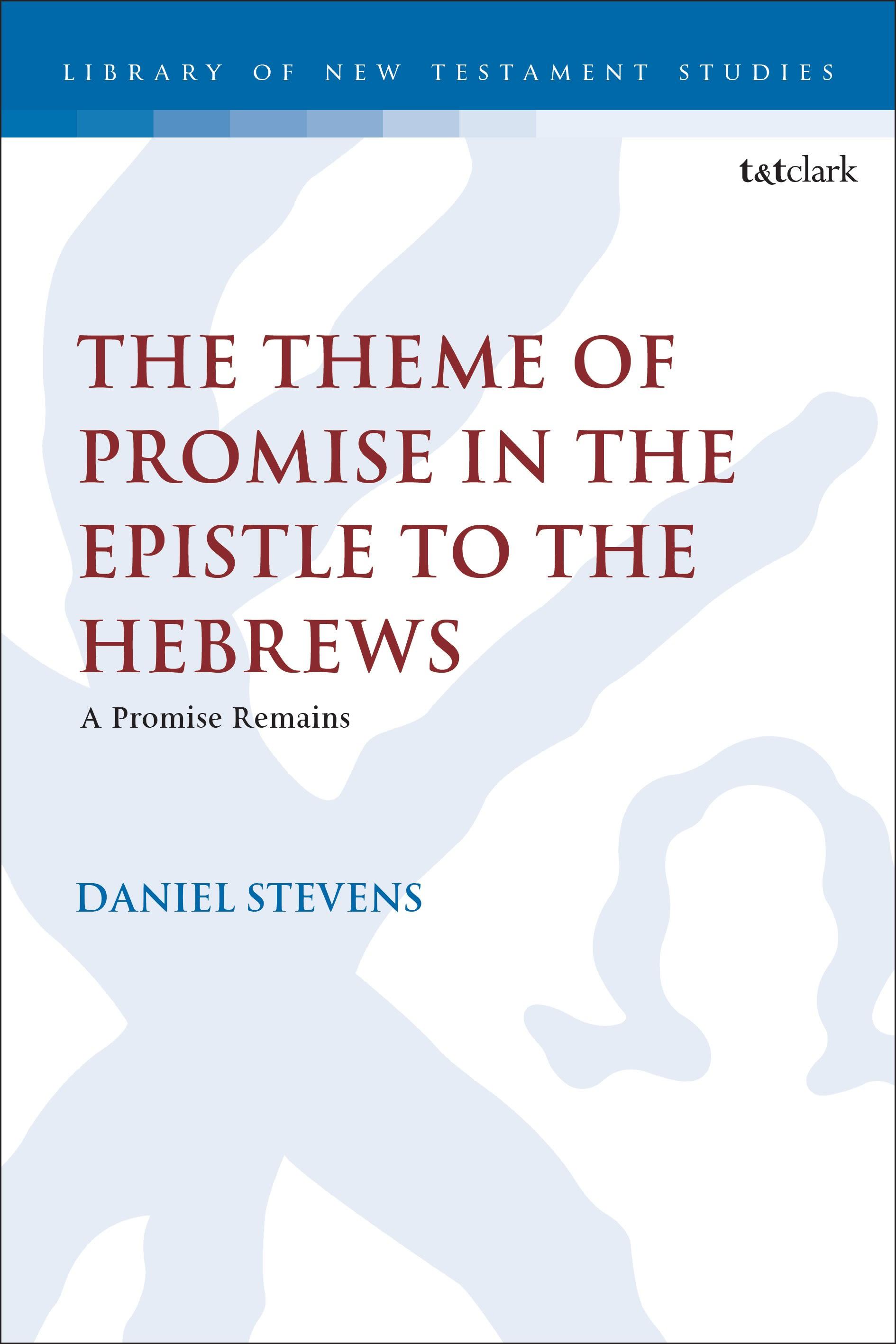
Daniel Stevens analyses the use of the language of divine commitment in the Epistle to the Hebrews, arguing that the author distinguishes promise from the cultic language of covenant to sketch a unique mixture of continuity and discontinuity among the people of God across time.
Stevens stresses through an exegesis of relevant passages that rest is not the primary content of promise, nor is it the primary lens through which the other instances of promise language should be understood; suggesting instead that the promise is most closely associated with the benefits promised to Abraham, and then mediated through the various subsequent covenants. He further explores how the divine promise relates to both the Old and New Covenants, arguing that Hebrews develops a view of salvation history in which covenants are founded upon promises and then bring those promises to fruition. By demonstrating the ways in which this understanding of promise sheds light on the author's hermeneutic and on his method of achieving his hortatory purposes for the epistle, Stevens concludes in a reassertion of the consistency of the author's thought regarding promise.
Stevens stresses through an exegesis of relevant passages that rest is not the primary content of promise, nor is it the primary lens through which the other instances of promise language should be understood; suggesting instead that the promise is most closely associated with the benefits promised to Abraham, and then mediated through the various subsequent covenants. He further explores how the divine promise relates to both the Old and New Covenants, arguing that Hebrews develops a view of salvation history in which covenants are founded upon promises and then bring those promises to fruition. By demonstrating the ways in which this understanding of promise sheds light on the author's hermeneutic and on his method of achieving his hortatory purposes for the epistle, Stevens concludes in a reassertion of the consistency of the author's thought regarding promise.
Strony: 192
Kategoria: Religion & Teologi
e-ISBN: 9780567717771
Waga przesyłki: 1.2 kg
Wysyłka w ciągu: 1-2 dni
Płać wygodnie kartą, Klarną, Apple Pay lub Google Pay. Nie jesteś zadowolony? Zawsze masz 14-dniową gwarancję zwrotu pieniędzy. Więcej przeczytasz w naszych warunkach. Masz pytania? Napisz do nas na hello@memmo.org.
Memmo ułatwia naukę – gdziekolwiek jesteś na świecie. U nas znajdziesz podręczniki i sprytne narzędzia do nauki w jednym miejscu: streszczenia, quizy, podcasty i fiszki. A do tego Ted, Twój kumpel do nauki, który odpowie na wszystko, co Cię nurtuje. Ponad 50 000 studentów już tu się uczy – stworzone, byś uczył się szybciej i mniej stresował.