
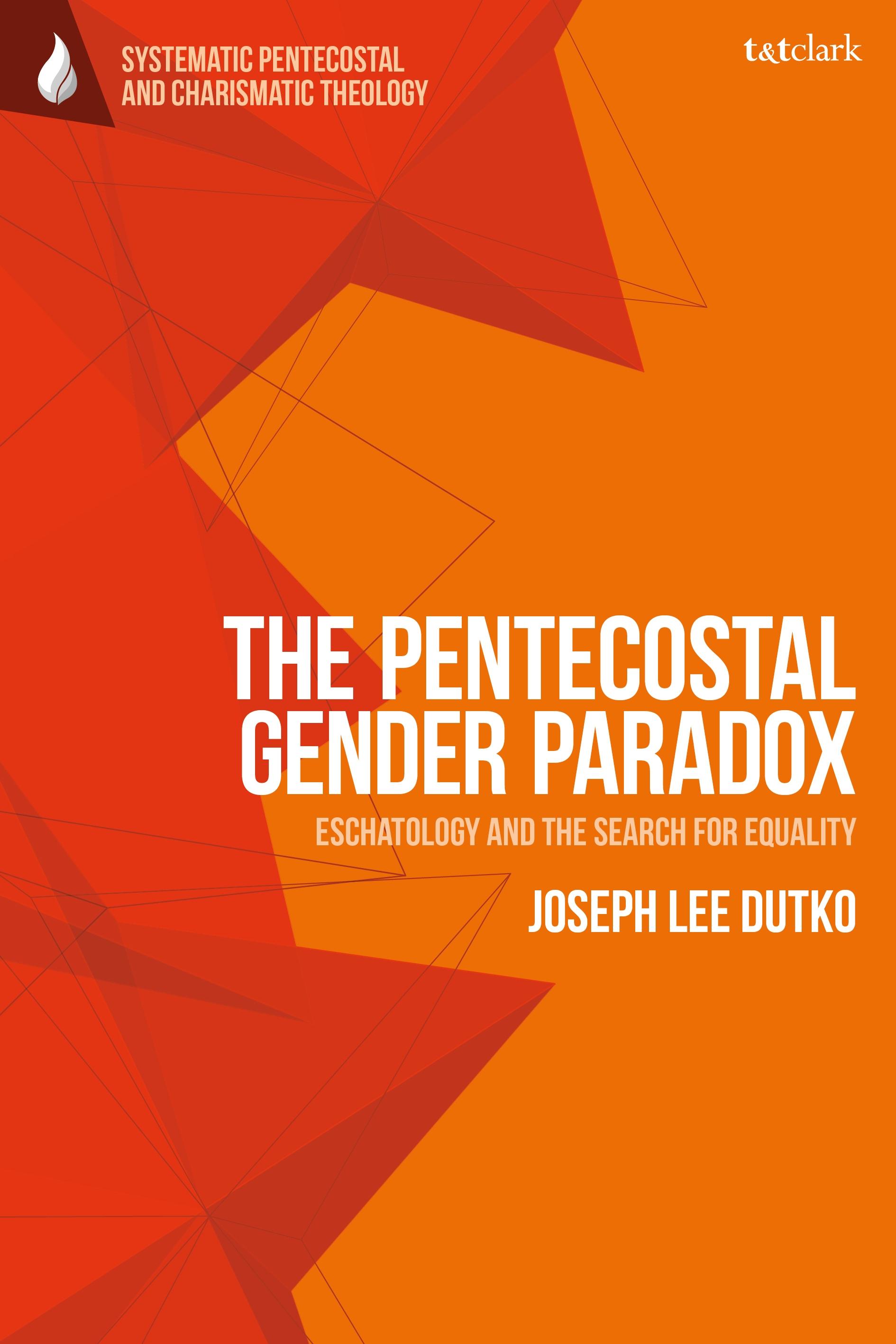
The distinct subjects of eschatology and gender equality have seen an explosion of interest in recent decades, particularly within Pentecostal scholarship. Pentecostalism is regarded ideally as both an eschatological and egalitarian movement. However, many Pentecostals have lamented the inconsistency between the early egalitarian impulse of the movement and its current restrictive practices. This situation has been described as the so-called Pentecostal “gender paradox,” referring to the conflicting freedoms and limitations experienced by Pentecostal women. Pentecostals have also recognized the waning eschatological fervor within the movement and its shifting eschatological convictions, leading to calls to rediscover the eschatological heart of the movement.
Despite the renewed interest in both eschatology and women's equality, little research has been done to put these two areas into conversation with each other: eschatological convictions are often absent in the debate on gender roles in the church. For Pentecostals, eschatology has often been about urgency in “saving souls” rather than attending to social issues, but could Pentecostal eschatology be the key to (re)discovering greater equality for women in the church? Is the waning of both eschatology and women's equality within Pentecostalism potentially interrelated?
For over one hundred years the role of women in Pentecostalism has been debated without a firm consensus. By examining gender solely through an eschatological lens in history, Scripture, and praxis, this work provides a valuable and creative contribution to one of the most important theological and global issues of our time, women's (in)equality. This book is also one of the first comprehensive studies to approach a single social issue solely through an eschatological lens and to provide attention to developing a thorough and methodologically connected eschatological praxis. By uncovering the unified eschatological-egalitarian narrative thread within both the Pentecostal and biblical story, this work suggests that the present end of women's inequality begins with fidelity to the future eschaton of gender equality.
Despite the renewed interest in both eschatology and women's equality, little research has been done to put these two areas into conversation with each other: eschatological convictions are often absent in the debate on gender roles in the church. For Pentecostals, eschatology has often been about urgency in “saving souls” rather than attending to social issues, but could Pentecostal eschatology be the key to (re)discovering greater equality for women in the church? Is the waning of both eschatology and women's equality within Pentecostalism potentially interrelated?
For over one hundred years the role of women in Pentecostalism has been debated without a firm consensus. By examining gender solely through an eschatological lens in history, Scripture, and praxis, this work provides a valuable and creative contribution to one of the most important theological and global issues of our time, women's (in)equality. This book is also one of the first comprehensive studies to approach a single social issue solely through an eschatological lens and to provide attention to developing a thorough and methodologically connected eschatological praxis. By uncovering the unified eschatological-egalitarian narrative thread within both the Pentecostal and biblical story, this work suggests that the present end of women's inequality begins with fidelity to the future eschaton of gender equality.
Płać wygodnie kartą, Klarną, Apple Pay lub Google Pay. Nie jesteś zadowolony? Zawsze masz 14-dniową gwarancję zwrotu pieniędzy. Więcej przeczytasz w naszych warunkach. Masz pytania? Napisz do nas na hello@memmo.org.
Memmo ułatwia naukę – gdziekolwiek jesteś na świecie. U nas znajdziesz podręczniki i sprytne narzędzia do nauki w jednym miejscu: streszczenia, quizy, podcasty i fiszki. A do tego Ted, Twój kumpel do nauki, który odpowie na wszystko, co Cię nurtuje. Ponad 50 000 studentów już tu się uczy – stworzone, byś uczył się szybciej i mniej stresował.