
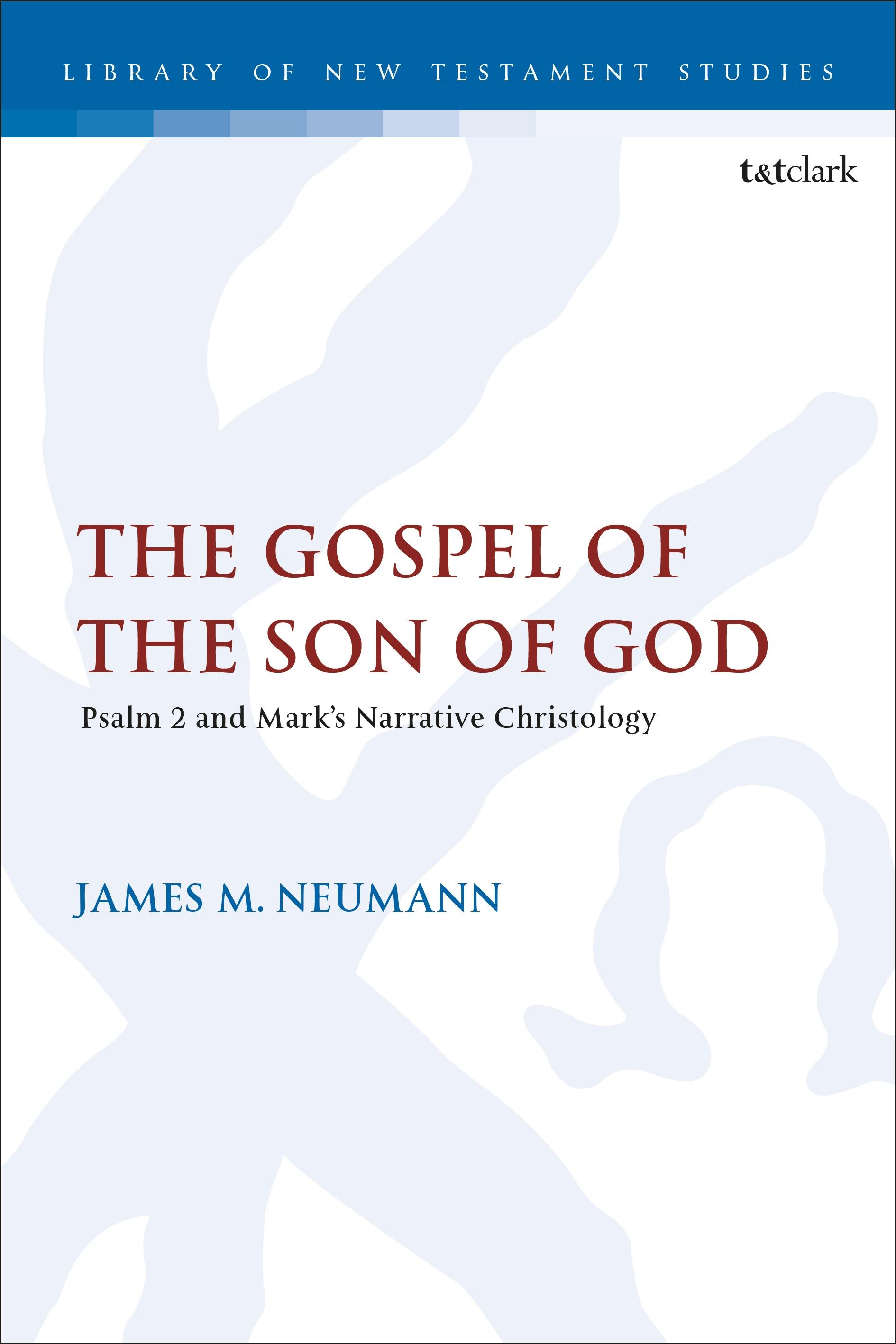
James M. Neumann proposes that there is far more at work in Mark's portrayal of Jesus as Son of God, and what it means for Mark to depict him as such, than past scholarship has recognized. He argues that Mark presents Jesus's life from beginning to end as the actualization of Psalm 2: a coronation hymn describing the Davidic king as God's “son,” which was interpreted messianically in early Judaism and christologically in early Christianity. Rather than a simple title, the designation of Jesus as God's “Son” in Mark contains and encapsulates an entire story of its own.
Beginning with an analysis of why this most important identity of Jesus in the Gospel has been under-studied, Neumann retraces the interpretive traditions surrounding Psalm 2 in early Judaism and Christianity alike. Pointing to Mark's first introduction of Jesus as God's Son into the narrative via an allusion to Ps 2:7 and portraying his baptism as a royal anointing, he demonstrates how Jesus begins to realize the implications of his anointment through his disestablishment of Satan's kingdom. Focusing on the repetition of the allusion to Ps 2:7 at Jesus's transfiguration and exploring how the Parable of the Vineyard uniquely encapsulates the Gospel as a whole, Neumann traces the use of the psalm throughout the Markan passion narrative, contending that, in Mark's vision, the hope envisaged by the psalm has been realized: the Son begins to inherit (the worship of) the nations. He concludes that Mark paradoxically portrays the accomplishment of the Messiah's victory through Jesus's crucifixion.
Beginning with an analysis of why this most important identity of Jesus in the Gospel has been under-studied, Neumann retraces the interpretive traditions surrounding Psalm 2 in early Judaism and Christianity alike. Pointing to Mark's first introduction of Jesus as God's Son into the narrative via an allusion to Ps 2:7 and portraying his baptism as a royal anointing, he demonstrates how Jesus begins to realize the implications of his anointment through his disestablishment of Satan's kingdom. Focusing on the repetition of the allusion to Ps 2:7 at Jesus's transfiguration and exploring how the Parable of the Vineyard uniquely encapsulates the Gospel as a whole, Neumann traces the use of the psalm throughout the Markan passion narrative, contending that, in Mark's vision, the hope envisaged by the psalm has been realized: the Son begins to inherit (the worship of) the nations. He concludes that Mark paradoxically portrays the accomplishment of the Messiah's victory through Jesus's crucifixion.
Płać wygodnie kartą, Klarną, Apple Pay lub Google Pay. Nie jesteś zadowolony? Zawsze masz 14-dniową gwarancję zwrotu pieniędzy. Więcej przeczytasz w naszych warunkach. Masz pytania? Napisz do nas na hello@memmo.org.
Memmo ułatwia naukę – gdziekolwiek jesteś na świecie. U nas znajdziesz podręczniki i sprytne narzędzia do nauki w jednym miejscu: streszczenia, quizy, podcasty i fiszki. A do tego Ted, Twój kumpel do nauki, który odpowie na wszystko, co Cię nurtuje. Ponad 50 000 studentów już tu się uczy – stworzone, byś uczył się szybciej i mniej stresował.